Ceremonial vs Everyday Kimono: 2026 Styling and Cost Guide
The Evolution of Japanese Garments in 2026
As we navigate the global fashion landscape of 2026, the traditional Japanese kimono continues to experience a profound renaissance. Driven by the sustainable fashion movement and a renewed interest in artisanal craftsmanship, the kimono has transcended its reputation as a rigid, historical artifact to become a dynamic component of modern wardrobes. However, navigating the world of Japanese traditional garments requires a clear understanding of the strict dichotomy between ceremonial wear and everyday attire. According to the Metropolitan Museum of Art, the T-shaped structure of the kimono has remained fundamentally unchanged for centuries, yet the textiles, patterns, and styling rules dictate exactly where and when each garment can be worn. Whether you are attending a formal tea ceremony in Kyoto or exploring the streets of Harajuku, understanding the boundaries between ceremonial and everyday kimono is essential for any enthusiast in 2026.
Ceremonial Garments: The Pinnacle of Formal Wear
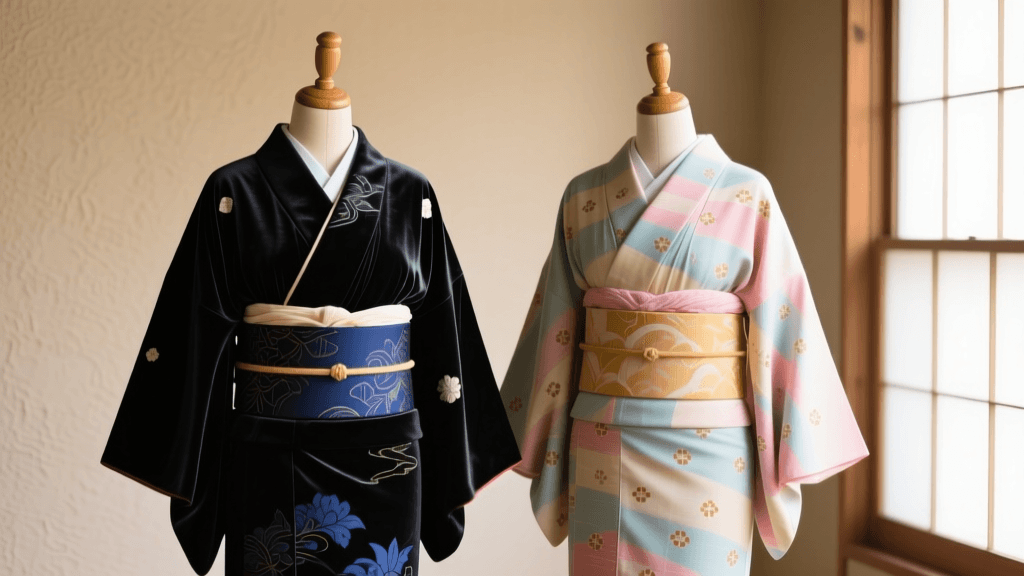
Ceremonial kimono represent the highest tier of Japanese formalwear, characterized by luxurious fabrics, intricate hand-painted or woven motifs, and strict adherence to traditional dressing protocols. The two most prominent ceremonial garments are the Kurotomesode and the Furisode.
Kurotomesode and Furisode: Fabric and Construction
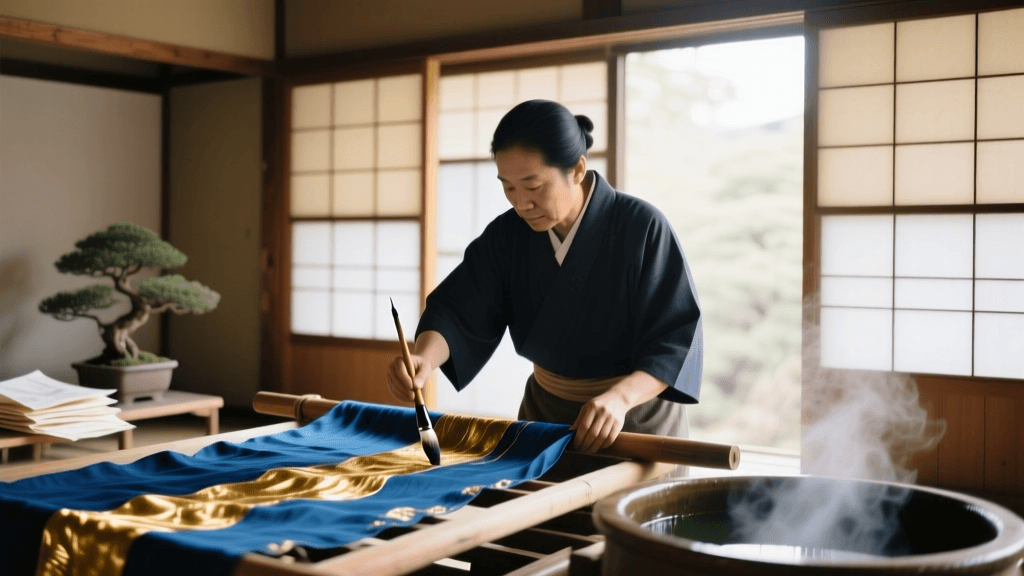
The Kurotomesode is the most formal kimono for married women. It is crafted from premium black silk crepe (chirimen) and features five family crests (kamon) dyed into the fabric. The defining characteristic is the exquisite, continuous pattern (eba) that spans across the lower hem, often depicting auspicious motifs like cranes, pine trees, or flowing water. Conversely, the Furisode is the formal equivalent for unmarried women, instantly recognizable by its dramatically long, swinging sleeves that can measure up to 114 centimeters in length. Both garments are woven from high-grade silk, such as rinzu (satin damask) or chirimen, and are entirely un-washable, requiring specialized professional cleaning.
2026 Pricing and the Formal Rental Market
Because ceremonial kimono are worn only a handful of times in a lifetime, the rental market dominates this sector. In 2026, a premium Furisode rental package in major hubs like Tokyo and Kyoto averages between ¥80,000 and ¥120,000 ($550 to $820 USD). This price typically includes the garment, a luxurious silk Fukuro obi, all necessary undergarments (juban), and the services of a professional dresser and hair stylist. Purchasing a brand-new, custom-dyed Kurotomesode in 2026 remains a significant investment, often starting at ¥500,000 ($3,400 USD) and climbing well over ¥1,000,000 for pieces featuring gold leaf and intricate embroidery.
Everyday Garments: Komon and the Modern Yukata
On the opposite end of the spectrum are everyday garments, designed for casual outings, daily wear, and relaxed social gatherings. The Komon and the Yukata serve as the foundation of casual Japanese traditional dress, offering versatility, comfort, and modern adaptability.
Modern Fabrics and Washability
Komon translates to 'small pattern,' referring to the repeating motifs that cover the entire garment. Unlike ceremonial wear, Komon can be made from a variety of materials. While traditional silk Komon are still cherished, the 2026 market has seen a massive surge in high-tech, washable polyester blends and machine-washable silk treatments. These innovations allow wearers to maintain their garments at home, drastically reducing the cost of ownership. The Yukata, originally a bathrobe, has evolved into the ultimate summer casual garment. Made from unlined, breathable cotton or modern linen blends, Yukata are lightweight, affordable, and incredibly easy to care for.
Styling for Daily Life in 2026
Everyday kimono styling in 2026 embraces personal expression and comfort. While ceremonial wear requires rigid, formal accessories, everyday styling allows for playful mixing. A Komon is typically paired with a Nagoya obi (a simplified, pre-folded sash) or a casual Hanhaba obi. In the colder months of 2026, it is highly fashionable to pair a casual wool or cotton Komon with modern turtlenecks, lace-up boots, and felt hats, blending traditional silhouettes with contemporary winter aesthetics. The Victoria and Albert Museum notes that the adaptability of Asian textiles has always been a hallmark of their longevity, and the modern casual kimono perfectly exemplifies this living tradition.
2026 Comparison Chart: Ceremonial vs. Everyday
To help you navigate your wardrobe choices, refer to this comprehensive breakdown of the key differences between ceremonial and everyday kimono as they stand in the current market.
| Feature | Ceremonial (Kurotomesode / Furisode) | Everyday (Komon / Yukata) |
|---|---|---|
| Primary Occasion | Weddings, Coming of Age Day, formal tea ceremonies | Festivals, casual dining, daily wear, summer events |
| Fabric Type | Premium Silk (Chirimen, Rinzu), heavy brocade | Cotton, Linen, Washable Polyester, lightweight silk |
| Obi (Sash) Style | Fukuro Obi or Maru Obi (heavy, formal brocade) | Nagoya Obi, Hanhaba Obi, or pre-tied Tsukuri Obi |
| Footwear | Zori (formal sandals) with white tabi socks | Geta (wooden clogs) or modern boots; barefoot in summer |
| 2026 Avg. Cost | Rental: ¥80,000+ | Purchase: ¥500,000+ | Purchase: ¥15,000 - ¥60,000 | Rental: ¥5,000 |
| Maintenance | Professional Maru-arai (full dry cleaning) only | Home machine wash (poly/cotton) or spot clean |
The Art of Kitsuke: Dressing Protocols
The process of dressing in a kimono, known as kitsuke, varies wildly depending on the formality of the garment. Ceremonial kitsuke is an architectural endeavor. It requires extensive padding to create a perfectly cylindrical silhouette, multiple silk ties (himo), and a stiff board (ita) to ensure the heavy Fukuro obi sits flawlessly in the formal Otaiko knot. This process takes a professional dresser up to 45 minutes and restricts the wearer's movement, enforcing a graceful, measured gait.
Conversely, everyday kitsuke in 2026 is designed for independence and speed. The modern casual wearer utilizes velcro-assisted datejime (under-sashes) and pre-tied obi that simply wrap around the waist and secure with a single clasp. An experienced wearer can dress themselves in a casual Komon or Yukata in under ten minutes, allowing for spontaneous outings and a much more relaxed, natural posture.
Actionable Advice: Navigating the 2026 Kimono Market
If you are looking to build a traditional Japanese wardrobe this year, consider these actionable steps to ensure you invest wisely and respectfully.
- Start with a Washable Komon: For beginners in 2026, purchasing a high-quality polyester Komon is the most practical entry point. Look for brands offering 'home-washable' certifications, which will save you hundreds of dollars in professional cleaning fees over the garment's lifespan.
- Master the Nagoya Obi: Invest time in learning the 'Otaiko' knot using a Nagoya obi. It bridges the gap between casual and semi-formal, allowing you to elevate a simple Komon for a nice dinner or a theater outing.
- Explore Vintage Upcycling: The 2026 sustainable fashion market is rich with upcycled ceremonial silk. Many artisans in Tokyo's Asakusa district are cutting damaged vintage Furisode and repurposing the pristine silk panels into modern two-piece sets (ni-bushin) or everyday jackets, allowing you to wear ceremonial-grade textiles in a casual, everyday format.
- Respect the Dress Code: Never wear a casual, barefoot Yukata style to a formal indoor event, and avoid wearing heavy ceremonial silk to outdoor summer festivals. Understanding the seasonal and situational context is the ultimate mark of a refined kimono wearer.
Conclusion
The distinction between ceremonial and everyday Asian traditional garments is not merely about fabric or price; it is a reflection of cultural philosophy, seasonal awareness, and social harmony. In 2026, the kimono remains a vibrant, living garment. By understanding the opulent, structured world of the Kurotomesode and Furisode alongside the accessible, adaptable realm of the Komon and Yukata, you can confidently participate in this beautiful tradition, honoring its past while seamlessly integrating it into your modern life.