Kimono vs Hanbok vs Cheongsam: 2026 Formal Wear Guide
The Big Three of East Asian Heritage Dress
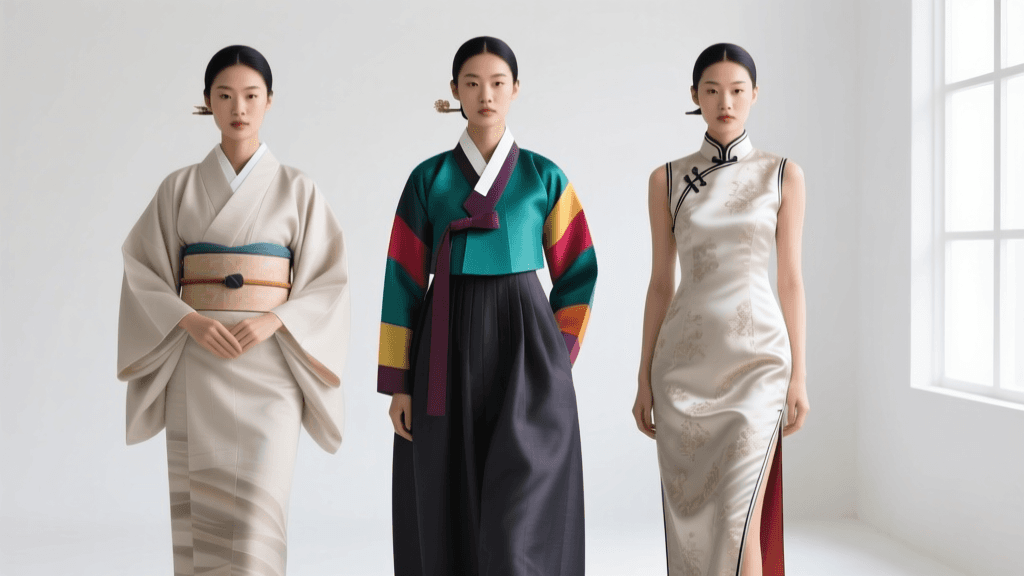
When attending a formal cultural event, a traditional wedding, or a high-profile gala in 2026, choosing the right heritage garment is a profound way to honor Asian traditions. The kimono of Japan, the hanbok of Korea, and the cheongsam (qipao) of China represent the pinnacle of East Asian sartorial elegance. While they share a foundational emphasis on exquisite textiles and deep cultural symbolism, their silhouettes, construction methods, and styling requirements are vastly different. This comprehensive guide breaks down the structural nuances, modern 2026 styling trends, and practical sourcing advice for these three iconic garments.
The Kimono: T-Shaped Elegance and Layering
The Japanese kimono is instantly recognizable by its T-shaped, straight-seamed construction. Unlike Western tailoring, which cuts fabric to follow the curves of the body, the kimono relies on wrapping, folding, and the strategic use of the obi (sash) to create its silhouette. For formal events in 2026, the homongi (visiting wear) and furisode (long-sleeved formal wear for unmarried women) remain the gold standards.
Structure and 2026 Fabric Innovations
Traditional formal kimonos are crafted from silk, but the 2026 market has seen a massive surge in sustainable, cruelty-free peace silk and high-grade recycled polyester blends that mimic the drape of rinzu (silk damask). The garment is composed of rectangular panels, meaning it can be entirely taken apart and re-dyed or cleaned. The obi is the focal point of the outfit, with the taiko musubi (drum knot) being the most common for married women, while younger wearers opt for elaborate, floral-inspired knots.
According to the kimono historical archives at Britannica, the garment's evolution has always reflected the socio-economic climate of its era. In 2026, we see a return to subdued, nature-inspired motifs like tsujigahana (tie-dye and ink drawing) combined with metallic threading that catches modern LED event lighting beautifully.
The Hanbok: Volumetric Grace and Color Theory
The Korean hanbok is celebrated for its sweeping, volumetric lines and vibrant color contrasts. The traditional women's hanbok consists of the jeogori (a short, cropped jacket) and the chima (a high-waisted, bell-shaped skirt). The beauty of the hanbok lies in its curved lines, particularly the gentle slope of the baerae (the curved bottom line of the jacket sleeve) and the crisp, tied goreum (ribbon).
Modern Formal Hanbok Trends
While traditional daeryebok (ceremonial wedding attire) remains heavily embroidered and layered, the 2026 formal event scene is dominated by the gaeryang hanbok (modernized hanbok). Designers are utilizing lightweight organza, silk tulle, and structural linings to give the chima a dramatic, gravity-defying bell shape without the heavy weight of traditional cotton under-skirts. Pastel palettes, digital lavender, and deep jewel tones are highly sought after this year.
The hanbok's color combinations were historically dictated by the obangsaek (traditional five-color theory). Today, as noted by Britannica's comprehensive guide to the hanbok, modern wearers often blend these traditional color harmonies with contemporary monochromatic styling, using varying textures of the same hue to create depth for evening galas.
The Cheongsam (Qipao): Tailored Silhouettes and Motifs
Originating in the 1920s and evolving from Manchu clothing, the Chinese cheongsam (or qipao) is the most form-fitting of the three garments. It is characterized by its mandarin collar, pankou (knotted button) fastenings, and asymmetrical side slits. The cheongsam requires precise tailoring to flatter the wearer's natural silhouette, making it a highly personalized garment.
2026 Tailoring and Customization
In 2026, the bespoke cheongsam experience is thriving, with master tailors utilizing 3D body scanning technology to ensure a flawless fit before cutting the silk. While the classic, skin-tight silhouette remains popular, there is a strong movement toward the A-line cheongsam and drop-waist variations that offer greater mobility for dancing and socializing at formal events. Fabric choices have expanded to include breathable silk-crepe blends and brocades woven with subtle, iridescent threads.
Embroidery remains a vital component of the cheongsam's formal appeal. Artisans are currently favoring 3D floral appliqués and intricate Suzhou silk embroidery featuring motifs like the peony (for wealth and honor) and the plum blossom (for resilience). As detailed in the historical overview of the qipao, the garment's ability to adapt to modern fashion while retaining its core architectural elements is the secret to its enduring legacy.
Structural Comparison Chart
To help you decide which garment best suits your 2026 formal event, consult the comparison table below:
| Feature | Kimono (Japan) | Hanbok (Korea) | Cheongsam / Qipao (China) |
|---|---|---|---|
| Silhouette | Linear, T-shaped, cylindrical | Volumetric, bell-shaped skirt, cropped top | Form-fitting, tailored, side slits |
| Key Components | Kimono body, Obi sash, Obijime cord | Jeogori (jacket), Chima (skirt), Goreum (ribbon) | Mandarin collar, Pankou knots, Slits |
| Fit & Tailoring | One-size wraps; tailored via folding | Custom waist and sleeve length | Highly bespoke; 12+ measurement points |
| Formality Level | Homongi / Furisode for high formal | Daeryebok / Silk Gaeryang for high formal | Floor-length silk brocade for high formal |
| 2026 Avg. Custom Cost | $3,500 - $8,000+ | $800 - $2,500 | $1,200 - $4,000 |
Sourcing, Measurements, and Styling Advice
Acquiring a formal garment for a 2026 event requires planning. Bespoke kimono and cheongsam tailoring can take anywhere from four to twelve weeks, while high-end hanbok can be completed in three to six weeks.
Measurement Protocols
- Kimono: Sizing is surprisingly flexible. The primary measurements needed are your height and hip circumference. The length is adjusted by folding the fabric at the waist beneath the obi.
- Hanbok: The chima is tied above the bust, so your bust and under-bust measurements are critical. The jeogori requires precise shoulder and arm-length measurements to ensure the baerae curves elegantly.
- Cheongsam: Expect a rigorous measuring session. Tailors will measure your bust, waist, hips, shoulder width, armhole depth, neck circumference, and the exact length from your nape to your desired hemline.
Footwear and Accessories
Styling in 2026 blends heritage accuracy with modern comfort. For the kimono, formal zori sandals with padded tabi socks are mandatory. For the hanbok, traditional kkotsin (silk shoes) are worn, though many modern brides opt for hidden wedge heels to support the heavy skirts. The cheongsam is traditionally paired with closed-toe silk heels or elegant embroidered flats. Jewelry should be kept minimal; let the kanzashi (hair ornaments) for the kimono, the norigae (pendant) for the hanbok, or the jade and pearl hairpins for the cheongsam serve as your statement pieces.
Cultural Appreciation and Care
As global interest in Asian heritage wear peaks in 2026, it is vital to approach these garments with respect. Avoid mass-produced, synthetic "costume" versions that misrepresent the cultural significance of these items. Instead, support authentic artisans, rent from reputable cultural houses, or invest in bespoke pieces from certified tailors. Proper care is equally important; always store silk garments in breathable cotton bags, away from direct sunlight, and utilize eco-friendly, specialized dry cleaners who understand the delicate nature of traditional dyes and metallic threads. By honoring the construction and history of the kimono, hanbok, and cheongsam, you ensure these magnificent traditions continue to thrive in the modern era.