Hanfu in Kunqu Opera: 2026 Theatrical Costume Guide
The Intersection of Hanfu and Kunqu Opera in 2026
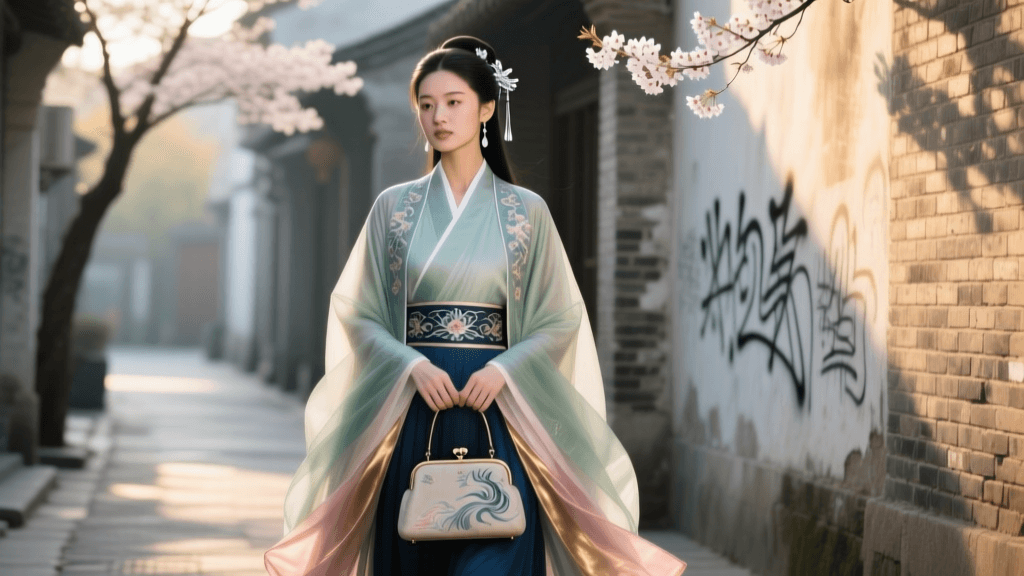
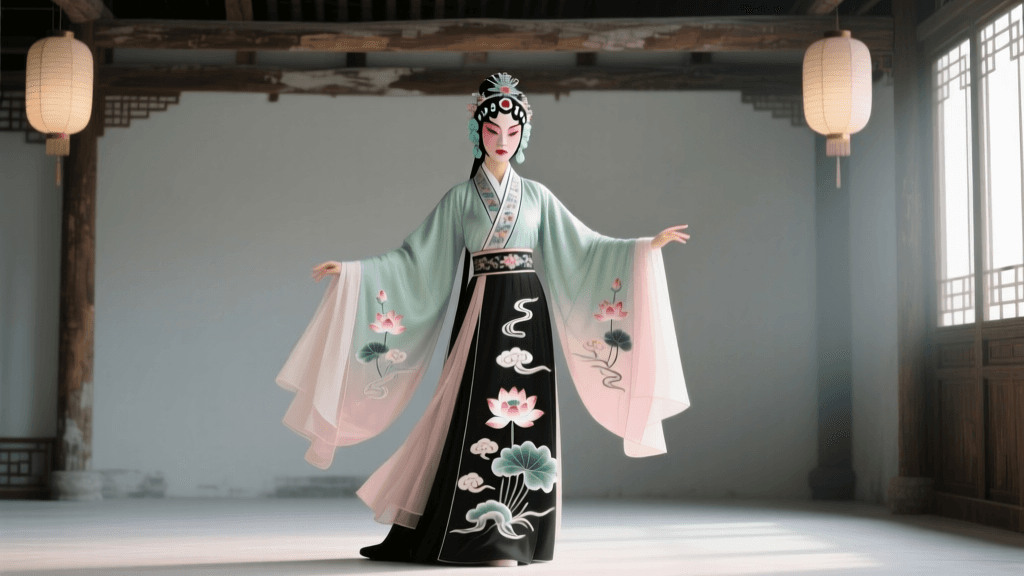
The year 2026 marks a fascinating renaissance in traditional Chinese performing arts, where the boundaries between historical accuracy and theatrical expression are beautifully blurring. For decades, the costumes worn in classical Chinese theatre—collectively known as Xingtou or Xifu—were heavily stylized adaptations of Ming Dynasty clothing, designed for visual impact under stage lights rather than historical fidelity. However, as the global Hanfu movement matures, independent Kunqu Opera troupes and avant-garde directors are increasingly integrating authentic Hanfu silhouettes, textiles, and tailoring techniques into their 2026 spring and autumn repertoires.
Kunqu Opera, recognized globally for its refined elegance and intricate vocal techniques, relies heavily on visual storytelling. According to the UNESCO Intangible Cultural Heritage registry, Kunqu is one of the oldest and most refined forms of Chinese opera, and its visual aesthetics are inextricably linked to traditional Chinese dress. In 2026, performers and costume designers are moving away from mass-produced, synthetic stage wear, opting instead for performance-ready Hanfu crafted from genuine mulberry silk, featuring historically accurate patterns adapted for the dynamic movements of the stage.
Historical Hanfu vs. Theatrical Xingtou: A Comparative Analysis
To successfully source or commission garments for traditional performing arts, it is crucial to understand the functional differences between everyday historical Hanfu and theatrical costumes. While modern Hanfu revivalists prioritize historical accuracy based on archaeological textiles, Kunqu and Peking Opera costumes prioritize character archetypes and stage mobility. As noted by theatre historians documented in Encyclopædia Britannica, theatrical costumes evolved to communicate a character's social status, age, and temperament instantly to the audience, often exaggerating historical elements to achieve this.
| Feature | Ming Dynasty Hanfu (Historical) | Kunqu Xingtou (Theatrical) |
|---|---|---|
| Silhouette & Fit | Tailored to the individual's exact measurements; structured but natural drape. | Exaggerated proportions; padded shoulders and elongated torsos to enhance stage presence. |
| Sleeves (Shuixiu) | Pipa or straight sleeves ending at the wrist or mid-hand. | Extended 'Water Sleeves' (60-100cm of white silk crepe attached to the cuff) for expressive choreography. |
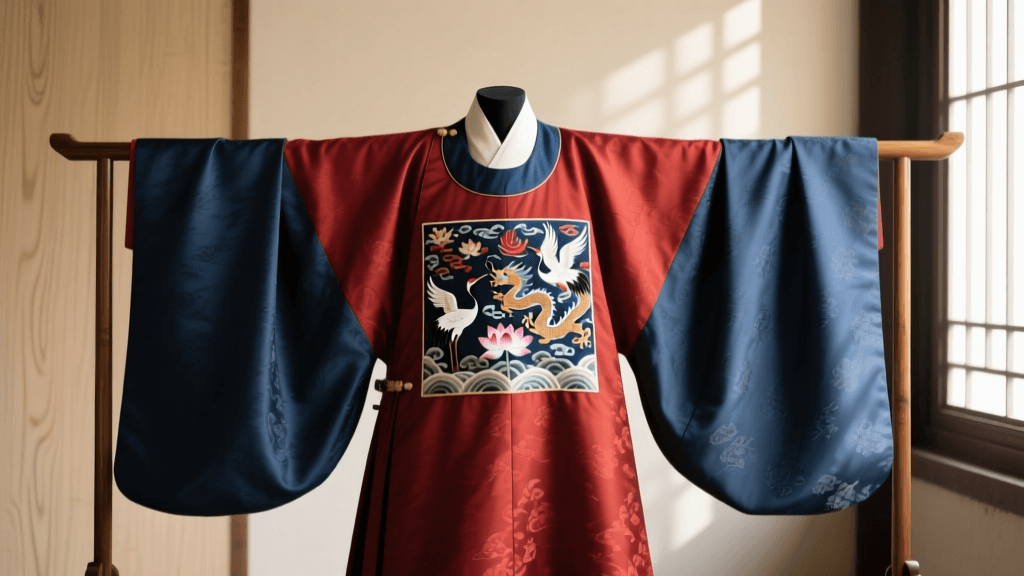
| Embroidery Density | Subtle, localized embroidery (e.g., collar, cuffs, hem) reflecting Ming sumptuary laws. | Dense, full-body Su Xiu (Suzhou embroidery) featuring dragons, phoenixes, and floral motifs visible from the back row. |
| Fastenings | Internal ties, fabric buttons, and subtle metal clasps. | Reinforced heavy-duty ties and Velcro (in modern 2026 adaptations) for rapid costume changes mid-performance. |
| Color Palette | Historically accurate natural dyes (indigo, madder, rattan yellow). | Highly saturated, symbolic colors (e.g., bright yellow for royalty, specific pinks for young maidens). |
Sourcing Performance-Ready Hanfu for the Stage
For theatre companies, cultural educators, and serious practitioners looking to source authentic Hanfu adapted for Kunqu or Peking Opera in 2026, the market has shifted toward specialized ateliers. Standard Hanfu vendors on mainstream e-commerce platforms rarely understand the rigorous demands of stage choreography. Instead, sourcing requires engaging with bespoke tailors in Suzhou and Hangzhou who specialize in the 'New Chinese Theatrical' niche.
2026 Market Pricing and Commissioning
- Entry-Level Performance Hanfu (Silk Blends): Ranging from 2,500 to 4,500 RMB. These garments use a mix of mulberry silk and high-grade viscose to reduce costs while maintaining a stage-appropriate sheen. Ideal for student troupes and ensemble cast members.
- Master-Crafted Su Xiu Garments: Ranging from 12,000 to 35,000 RMB. Commissioned by lead actors (such as the Guimendan or young female lead), these pieces feature hand-embroidered Suzhou silk thread work, genuine gold-leaf couching, and 100% heavy silk satin bases.
- Water Sleeve Attachments: Custom silk crepe water sleeves cost between 400 and 800 RMB per pair, depending on the momme weight and length required.
Tailoring Specifications for Kunqu Performers
When commissioning a Hanfu-inspired stage costume in 2026, precise communication with your tailor regarding theatrical modifications is essential. A standard historical garment will restrict the sweeping, acrobatic, and highly stylized movements required in Kunqu and Peking Opera (which shares many costume conventions, as detailed in the Peking Opera UNESCO Heritage archives).
The Mechanics of Water Sleeves (Shuixiu)
The water sleeve is the soul of the Kunqu performer's expressive vocabulary. In 2026, the standard for professional Dan (female) roles is a 19-momme or 22-momme heavy silk crepe. This specific weight ensures that when the performer executes a 'flick' (dou xiu) or a 'drape' (da xiu), the fabric catches the air and falls with mathematical precision. The attachment point must be reinforced with an internal cotton binding tape to prevent the heavy silk from tearing the delicate embroidered cuff of the main garment during vigorous choreography.
Collar Construction and the Huling
Historical Ming Hanfu often features the Jiaoling Youren (cross-collar, right lapel) or the Yuling (standing collar). For the stage, the cross-collar is heavily favored for its elegant V-shaped neckline, which frames the actor's face and elaborate makeup. However, stage makeup and sweat can quickly ruin expensive silk embroidery. Therefore, 2026 theatrical Hanfu designs universally incorporate a detachable Huling (protective white silk under-collar). This collar is basted in place before the performance and removed for dry cleaning afterward, preserving the integrity of the main garment.
Accessorizing: Headpieces and Footwear
No Kunqu Hanfu ensemble is complete without its accompanying accessories, which anchor the historical aesthetic to the theatrical realm.
Dianmian and Ethical Inlay Techniques
The Dianmian (facial and head adornments) worn by female leads historically utilized kingfisher feathers for their iridescent blue hue. In 2026, ethical sourcing is paramount. Leading ateliers now use advanced dyed silk threads, iridescent beetle wings, or heat-treated synthetic ribbons that perfectly mimic the kingfisher effect without harming wildlife. Furthermore, the heavy copper bases of the past have been replaced by 3D-printed, lightweight resin frameworks wrapped in silk, reducing neck strain for performers during three-hour epics like The Peony Pavilion.
Footwear: Caiqiao and Cloud Shoes
For male roles (Sheng) and older female roles, embroidered cloud shoes with thick, multi-layered cotton soles provide the necessary elevation and grounded stance. For specific Dan roles requiring the illusion of bound feet, the Caiqiao (wooden stilt shoes) are still utilized by master performers. In 2026, modern orthotic inserts are frequently integrated into the traditional wooden frames to protect the performer's arches during extended rehearsal periods.
Caring for Theatrical Hanfu
The investment in a 2026 bespoke Kunqu Hanfu requires meticulous maintenance. Due to the metallic threads and delicate Su Xiu embroidery, these garments must never be machine washed or submerged in water. Spot cleaning with specialized silk foams is recommended for minor stage makeup smudges. After every performance, the garments must be aired out in a climate-controlled room (ideally 45% humidity) to prevent the silk from dry-rotting or the metallic threads from tarnishing. Garments should be stored flat in acid-free tissue paper within cedar chests, avoiding wire hangers that will permanently distort the padded theatrical shoulders.
Conclusion
The integration of authentic Hanfu tailoring into Kunqu and Peking Opera costumes represents a thrilling evolution in traditional Chinese performing arts. By respecting the historical roots of Ming Dynasty dress while embracing the functional necessities of the stage, 2026's performers are elevating the visual poetry of their craft. Whether you are a costume director, a cultural historian, or an avid patron of the theatre, understanding the nuances of these garments deepens the appreciation for every flick of a water sleeve and every step taken upon the stage.