Buying Authentic Silk Hanbok on Global Marketplaces 2026
The Global Rise of Authentic Hanbok Shopping in 2026
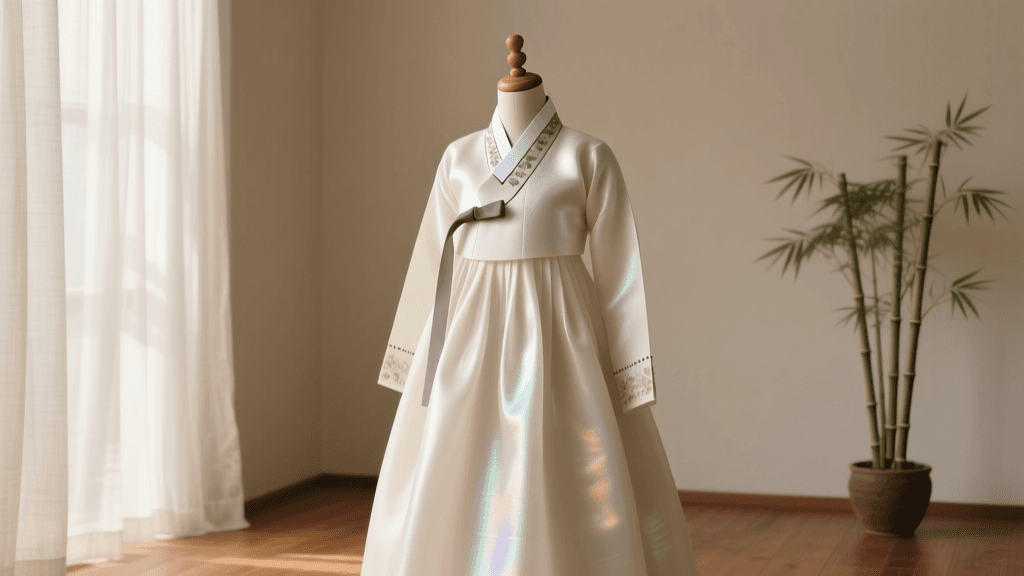
As we navigate the global fashion landscape of 2026, the appetite for authentic Asian traditional garments has reached unprecedented heights. The hanbok, with its elegant lines, vibrant natural dyes, and rich historical significance, has transcended its role as strictly ceremonial wear to become a coveted piece of slow fashion and cultural heritage. However, this surge in international demand has also flooded online marketplaces with mass-produced, synthetic costume replicas. For the discerning buyer looking to invest in genuine traditional textiles, navigating the digital storefronts requires a keen eye, an understanding of traditional fabrics, and knowledge of where true master artisans operate online.
Today, purchasing a high-quality, authentic hanbok from outside the Korean peninsula is more accessible than ever, provided you know which platforms to trust. Cross-border e-commerce advancements in 2026 have streamlined international shipping, but the burden of verifying textile authenticity still falls on the consumer. This comprehensive guide will walk you through the nuances of buying genuine Myeongju silk hanbok online, comparing the top marketplaces, decoding fabric descriptions, and mastering the intricate custom measurement process required for a perfect fit.
Decoding Fabrics: Myeongju Silk vs. Synthetic Blends
The foundation of any luxury hanbok is its fabric. Traditional Korean garments utilize specific textiles that dictate the garment's drape, breathability, and appropriate season. The most prized material for formal and luxury hanbok is Myeongju, a premium silk woven from silkworm cocoons. Unlike the highly glossy, slippery silks often used in Western evening wear, Myeongju has a subtle, elegant sheen and a slightly textured hand-feel that provides structural integrity to the jeogori (jacket) and chima (skirt).
Conversely, the vast majority of budget hanbok found on global auction sites are constructed from polyester blends. While these synthetic alternatives are machine-washable and inexpensive, they lack the temperature-regulating properties of natural fibers and often feature harsh, artificial-looking sheens. According to the Cultural Heritage Administration of Korea, the preservation of traditional weaving techniques, including the meticulous creation of Myeongju and Gabusa (fine ramie), is classified as a vital Intangible Cultural Heritage. When shopping online, verifying that the artisan adheres to these heritage standards is paramount.
| Fabric Type | Characteristics | Best Season | Online Price Indicator (2026) |
|---|---|---|---|
| Myeongju (Silk) | Subtle sheen, breathable, holds structured pleats beautifully | Spring / Autumn | $350 - $1,200+ |
| Gabusa (Ramie) | Semi-sheer, crisp, highly breathable, natural off-white hue | Summer | $400 - $1,500+ |
| Mu-myung (Cotton) | Matte finish, soft, durable, excellent for daily modern hanbok | All Seasons | $150 - $300 |
| Polyester Blend | High artificial gloss, traps heat, stiff drape, prone to static | N/A (Costume) | $40 - $90 |
Top Online Marketplaces for Authentic Hanbok in 2026
Not all e-commerce platforms are created equal when it comes to cultural garments. Here is a breakdown of the primary digital marketplaces where international buyers can source authentic hanbok this year.
1. Gmarket Global: The Korean E-Commerce Behemoth
Gmarket Global remains the most direct pipeline to domestic Korean retail in 2026. The platform hosts thousands of independent boutiques and established hanbok houses based in Seoul and Jeonju. The advantage of Gmarket is the sheer volume of authentic options and the ability to buy directly from Korean sellers. However, the user interface can be overwhelming, and search translations are often clunky. To find authentic silk, buyers must look for specific Korean keywords in the item descriptions, such as '실크 100%' (100% Silk) or '명주' (Myeongju). Shipping is generally reliable via EMS or FedEx, though return policies for custom-tailored items are notoriously strict, making accurate measurements absolutely critical.
2. Etsy: Navigating Artisans vs. Dropshippers
Etsy has become a popular hub for modern, everyday hanbok (gaeryang hanbok) and vintage pieces. In 2026, the platform has implemented stricter 'handmade' verification tools, yet dropshippers selling factory-made polyester costumes still proliferate. To find genuine artisans on Etsy, filter your search by shop location, targeting sellers physically located in South Korea. Look for shops that provide behind-the-scenes photos of their drafting and sewing processes, and read the 'About' section to verify the maker's background. Genuine artisan shops will often offer a 'custom sizing' option at checkout, whereas dropshippers will only offer standard S/M/L sizing matrices.
3. Direct-from-Artisan Portals and the KCDF
For museum-quality, investment-grade garments, buyers are increasingly turning to curated cultural portals. The Korea Craft and Design Foundation (KCDF) frequently highlights master craftsmen and recognized traditional textile artists. While these portals primarily serve as exhibition and networking spaces, many featured master artisans have launched independent, English-friendly direct-to-consumer websites linked through their KCDF profiles. Purchasing through these verified channels guarantees that your garment is crafted using heritage techniques, natural dyes, and hand-stitched finishing details that machines simply cannot replicate.
Mastering Custom Measurements for Cross-Border Orders
Traditional hanbok does not conform to Western sizing charts. A proper hanbok is designed to be tailored to the individual's specific proportions, ensuring the jeogori sits perfectly at the bust and the chima falls gracefully from just below the collarbone. When ordering from a Korean marketplace or an independent artisan in 2026, you will be asked to provide a specific set of measurements. Use a soft fabric measuring tape and follow these guidelines:
- Chest (가슴둘레): Measure around the fullest part of your bust. For the jeogori, artisans typically add 10-15 cm of ease to this measurement to ensure the traditional, comfortable drape that does not pull across the chest.
- Arm Span (팔길이): Extend your arms straight out to the sides. Measure from the base of your neck (the prominent vertebra), over the shoulder, down to the wrist bone. Hanbok sleeves (baerae) have a distinct curved drop, and this measurement ensures the cuff hits exactly at the wrist.
- Jeogori Length (저고리 길이): Measure from the prominent vertebra at the base of the neck down to your desired hemline. Traditional lengths end just above the bust line, while modern adaptations may extend slightly lower.
- Chima Length (치마 길이): Measure from the underarm (where the skirt will sit, anchored by the ties) down to your ankle bone. Ensure you are wearing the shoes you intend to pair with the garment, as traditional hanbok shoes (kkotsin) have a different heel height than modern footwear.
Red Flags: How to Avoid Mass-Produced Costumes
As the popularity of historical media and cultural tourism continues to grow, so does the market for cheap imitation garments. Protect your investment by watching for these common red flags when browsing online marketplaces:
1. Suspiciously Low Pricing: The raw material cost of genuine Myeongju silk, combined with the hours of skilled labor required to cut, pleat, and hand-finish a hanbok, makes a price tag under $200 highly suspicious. If a listing advertises '100% Silk' for $65, it is almost certainly a deceptive translation for a poly-silk blend.
2. Overly Stiff Collars: The dongjeong (the white collar band) of a traditional hanbok is meant to be crisp but flexible, often reinforced with specialized natural paper or high-quality cotton interfacing. Mass-produced costumes often use cheap plastic inserts that crease permanently and look unnatural in photographs.
3. Generic Stock Photography: Authentic hanbok makers take immense pride in their work and will photograph their specific garments, often highlighting the hand-stitched details, the natural variations in plant-based dyes, and the intricate knotting of the goreum (ties). If the listing uses heavily watermarked, generic stock photos of models in palaces, proceed with caution.
Navigating Shipping, Customs, and Garment Care
When importing luxury textiles internationally in 2026, be prepared for customs duties. Many specialized Korean hanbok boutiques now offer DDP (Delivered Duty Paid) shipping options at checkout, which calculates and collects your country's import taxes upfront, preventing unexpected fees upon delivery. Always opt for tracked, insured shipping methods like DHL or EMS when purchasing garments valued over $300.
Once your authentic silk hanbok arrives, proper care is essential to preserve the integrity of the natural fibers and dyes. Never machine wash or hand wash Myeongju silk, as water can cause the natural dyes to bleed and the fabric to lose its structural sizing. Rely exclusively on professional dry cleaners who have experience with delicate heritage garments. When storing your hanbok, avoid wire hangers which will distort the shoulders of the jeogori. Instead, fold the garment along its natural seam lines and store it in a breathable cotton pouch, away from direct sunlight, which can fade natural botanical dyes over time.
Investing in an authentic hanbok is an investment in living history. By leveraging the right digital platforms, understanding the nuances of traditional textiles, and respecting the precise tailoring requirements, you can build a traditional wardrobe that honors Asian heritage while standing the test of time. For those planning to travel, the Korea Tourism Organization continues to promote palace initiatives that beautifully complement the experience of wearing a genuine, artisan-crafted garment, bridging the gap between online acquisition and real-world cultural immersion.