Kunqu Opera Hanfu Costumes 2026: Mang & Pei Robe Guide
The Intersection of Hanfu and Kunqu Opera in 2026
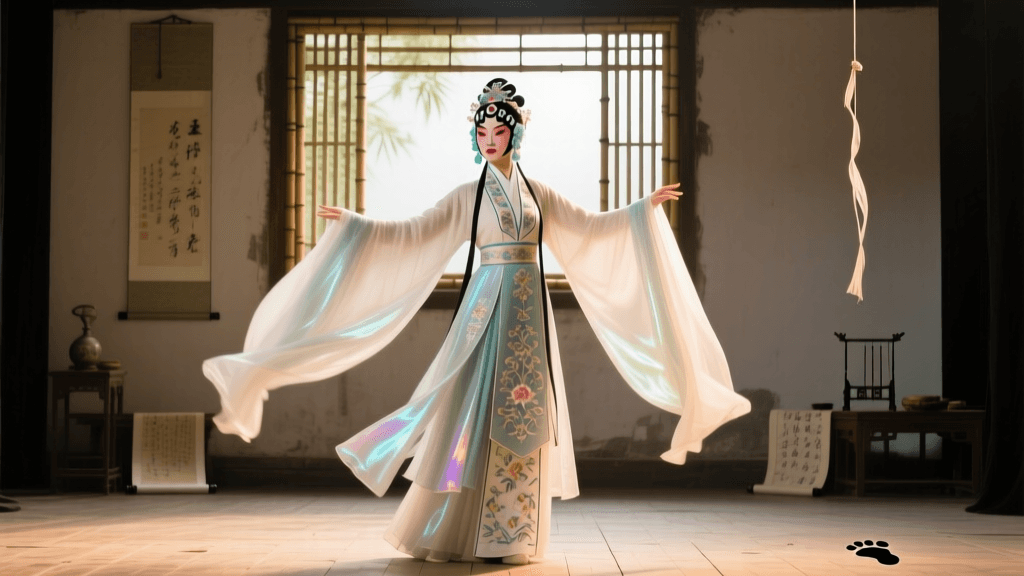
Kunqu Opera, often revered as the "ancestor of all Chinese operas," is a masterpiece of intangible cultural heritage that relies heavily on the visual language of traditional garments. Unlike the more stylized and exaggerated costumes of later Peking Opera, Kunqu stage wear (known as Xifu) remains deeply tethered to the elegant, flowing silhouettes of Ming Dynasty Hanfu. As we navigate the 2026 performance season, theater troupes, costume designers, and traditional arts enthusiasts are witnessing a renaissance in how these garments are crafted, sourced, and maintained. According to UNESCO’s Intangible Cultural Heritage registry, the preservation of Kunqu involves not just the vocal and physical performances, but the meticulous continuation of its sartorial traditions.
For collectors, theater departments, and performers, understanding the nuances of Kunqu Hanfu in 2026 requires a deep dive into specific garment types, modern textile innovations, and the practicalities of stage maintenance. This guide focuses on the two most iconic robes in the Kunqu wardrobe: the Mang (Python Robe) and the Pei (Scholar’s Cape), exploring how they bridge the gap between historical Ming Dynasty aesthetics and contemporary stage demands.
Historical Roots: Ming Dynasty Silhouettes on Stage
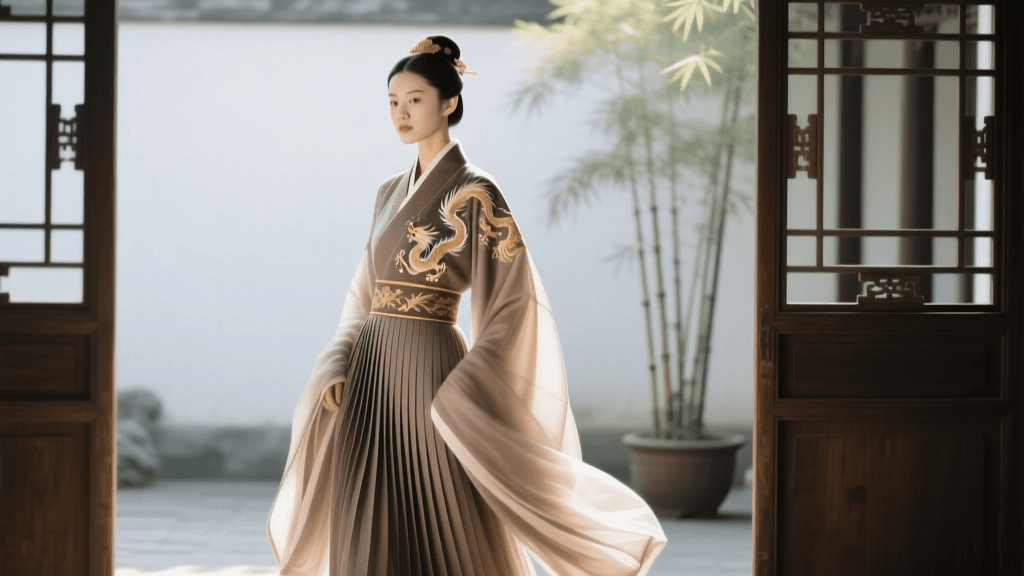
To understand Kunqu costumes, one must look to the Ming Dynasty (1368–1644). Kunqu originated in the Kunshan region during this era, and its foundational costume design was directly lifted from the daily and courtly dress of the Ming elite. The Metropolitan Museum of Art’s Heilbrunn Timeline of Art History notes that Ming court robes were characterized by their voluminous cuts, wide sleeves, and intricate rank badges. When Kunqu transitioned from literati salon entertainment to grand stage productions, these Hanfu silhouettes were theatricalized. The collars became slightly wider, the fabrics more reflective under stage lighting, and the sleeves elongated to facilitate expressive movement. Today, in 2026, top-tier troupes in Suzhou and Nanjing still use Ming-era textile fragments as reference points when commissioning new stage wardrobes, ensuring the drape and weight of the silk mimic historical garments.
The Mang (蟒): The Python Robe of Power
The Mang, or Python Robe, is the ultimate symbol of authority on the Kunqu stage. Worn by emperors, high-ranking ministers, and powerful generals, the Mang is a direct theatrical descendant of the Ming Dynasty court dragon robe. However, because the five-clawed dragon was strictly reserved for the emperor in historical reality, the stage Mang typically features a four-clawed "python" motif to denote high officials while adhering to ancient sumptuary laws.
Anatomy and Embroidery of the 2026 Mang
- The Silhouette: A round-collared, ankle-length robe with side slits and wide, flowing sleeves. It is worn with a jade or leather belt (Yudai) to cinch the waist and create a commanding posture.
- Water Sleeves (Shuixiu): The Mang features attached white silk extensions called water sleeves. In 2026, standard Kunqu Mang sleeves measure exactly 65 centimeters in length, allowing for the delicate "cloud hands" and "trembling sleeve" techniques unique to Kunqu’s refined choreography.
- Embroidery (Su Xiu): Modern Suzhou embroidery masters use a technique called panjin (gold couching) to lay down metallic threads. In 2026, troupes are favoring matte-gold threads over high-gloss synthetic gold, as matte finishes read much better under modern LED stage lighting, reducing harsh glare while maintaining a luxurious historical appearance.
- Color Coding: Yellow is strictly for emperors; red denotes high civil officials and nobility; black is reserved for fierce, upright military generals (like Bao Zheng); and white or pale blue is used for young, handsome scholars or tragic heroes.
The Pei (帔): The Scholar’s Cape of Elegance
While the Mang represents power, the Pei represents the refined, intellectual, and domestic life of the Kunqu narrative. The Pei is a long, open-front robe with a center-front closure, wide sleeves, and a straight collar. It is the quintessential garment for the Sheng (male lead) and Dan (female lead) when they are in casual, scholarly, or romantic settings.
The beauty of the Pei lies in its understated elegance. Unlike the heavy, fully embroidered Mang, the Pei relies on the quality of the silk and the subtlety of its motifs. According to Britannica’s comprehensive overview of Kunqu, the romantic and poetic nature of the art form is best expressed through the gentle sway of the Pei during slow, lyrical arias. In 2026, the most sought-after Pei robes feature tone-on-tone damask weaves (Tihua), where motifs of plum blossoms, orchids, or cranes are woven directly into the silk, visible only when the light catches the fabric at specific angles.
2026 Innovations: Sustainable Silk and Stage Adaptations
The year 2026 has brought significant shifts in how traditional Xifu is manufactured, driven by both environmental mandates and the physical demands of modern performers. Stage lights, even with LED advancements, generate considerable heat, and traditional heavy brocades can cause performers to fatigue during three-hour epics like The Peony Pavilion.
Eco-Friendly Dyes and Lightweight Weaves
Leading costume houses in Hangzhou have introduced a new line of "breathable stage silks." These fabrics blend traditional mulberry silk with a 15% bamboo-viscose core, reducing the garment’s weight by 20% without sacrificing the historical drape. Furthermore, 2026 has seen a strict industry pivot toward plant-based dyes for secondary garments. Indigo, madder root, and gardenia yellow are now stabilized with modern mordants, ensuring that the vibrant colors of the Hanfu silhouettes do not bleed when performers sweat under the lights.
Comparison Chart: Traditional vs. 2026 Modern Stage Hanfu
For theater directors and procurement managers, understanding the differences between legacy stage wear and the 2026 standard is crucial for budgeting and performance planning.
| Feature | Legacy Stage Xifu (Pre-2020) | 2026 Modern Eco-Stage Xifu |
|---|---|---|
| Base Fabric | 100% Heavy Silk Brocade (30+ momme) | Silk-Bamboo Blend Damask (19-22 momme) |
| Embroidery Thread | Synthetic high-gloss gold/silver | Matte metallic & natural spun silk |
| Dyeing Process | Chemical acid dyes (high water waste) | Stabilized botanical dyes & low-impact reactive dyes |
| Water Sleeve Weight | Heavy crepe silk (requires strong wrists) | Lightweight habotai silk (enhances fluid motion) |
| Average Cost (Mang) | 12,000 - 18,000 RMB | 18,000 - 35,000 RMB (due to artisan labor) |
Sourcing and Commissioning Stage Hanfu in 2026
If you are looking to commission authentic Kunqu Hanfu for a university theater program, a cultural exhibition, or professional performance, Suzhou remains the undisputed capital of Xifu production. In 2026, the Suzhou Embroidery Research Institute partners with specialized theatrical tailors to offer bespoke commissions.
Actionable Sourcing Advice
- Lead Times: A fully hand-embroidered Mang robe requires a minimum of 4 to 6 months. The gold-couching process alone takes hundreds of hours. Plan your 2026 production budgets accordingly.
- Measurements: Unlike Western tailoring, Kunqu Hanfu is cut flat and relies on the belt and layering for fit. However, you must provide precise measurements for the shoulder span and arm length to ensure the water sleeves extend exactly to the fingertips before the white silk attachment begins.
- Authentication: When purchasing vintage or high-end new pieces, look for the hallmark of the Suzhou Theatrical Costume Factory (Suzhou Xijufu), which remains the gold standard for institutional buyers.
Care and Maintenance for Theatrical Xifu
The longevity of a Kunqu robe depends entirely on post-performance care. The combination of heavy embroidery, delicate water sleeves, and performer perspiration makes maintenance a specialized skill.
- Folding the Water Sleeves: Never fold Shuixiu in sharp creases. In 2026, wardrobe masters use the "cloud roll" method, gently rolling the white silk extensions around acid-free tissue paper cylinders to prevent the silk fibers from breaking over time.
- Spot Cleaning: The inner collars (which touch the neck) are lined with removable, washable cotton or linen guards. These must be replaced or washed after every performance. The outer silk must never be submerged in water; spot clean with a pH-neutral silk detergent using a micro-swab.
- Storage: Store Mang and Pei robes flat in cedar-lined drawers to deter silverfish. If hanging is necessary, use wide, padded hangers to distribute the weight of the heavy embroidery, preventing the silk warp threads from tearing at the shoulders.
Conclusion
The survival of Kunqu Opera in the modern era is inextricably linked to the preservation of its visual identity. The Mang and Pei robes are not merely costumes; they are wearable extensions of Ming Dynasty Hanfu, adapted for the poetic and physical demands of the stage. As 2026 brings new sustainable textiles and refined embroidery techniques to the forefront, the bridge between historical authenticity and theatrical practicality has never been stronger. For those dedicated to the Asian traditional arts, investing in, understanding, and preserving these garments ensures that the silent poetry of Kunqu’s silk sleeves will continue to captivate audiences for generations to come.