Sourcing Custom Cheongsam From Shanghai Tailors Online 2026
The Renaissance of Bespoke Cheongsam Shopping in 2026
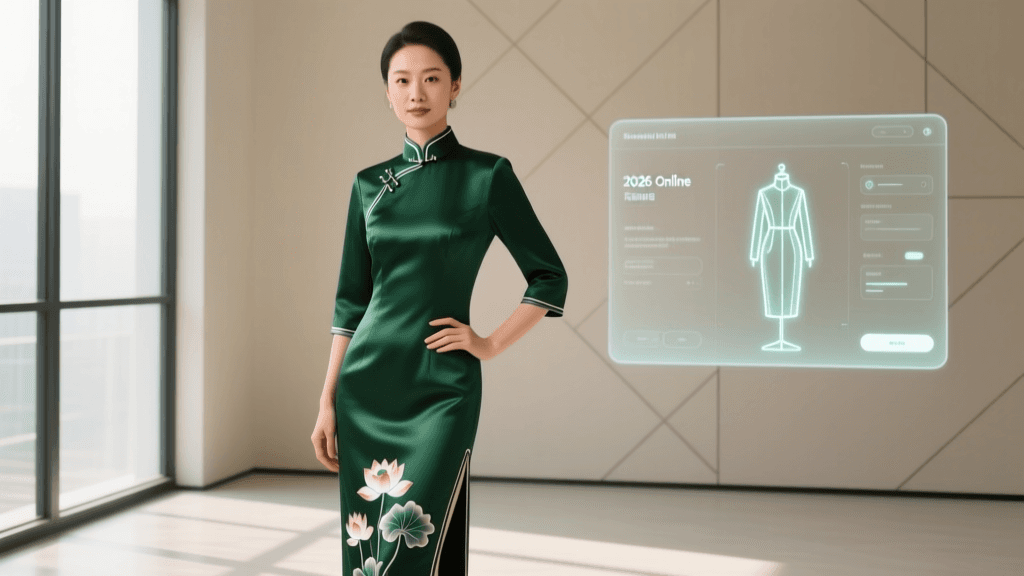
The cheongsam, also widely known as the qipao, is far more than a simple garment; it is a masterpiece of structural engineering, cultural heritage, and sartorial elegance. As we navigate the fashion landscape of 2026, the global demand for authentic, made-to-measure Asian traditional garments has reached unprecedented heights. While off-the-rack options are plentiful, true enthusiasts and cultural preservationists know that the soul of the cheongsam lies in bespoke tailoring. Today, sourcing a custom cheongsam directly from master tailors in Shanghai has never been more accessible, thanks to advancements in cross-border e-commerce, virtual fitting technologies, and dedicated heritage marketplaces.
According to the Encyclopedia Britannica, the qipao evolved from the loose-fitting dresses of Manchu women into the form-fitting, iconic silhouette recognized globally today. This evolution was heavily centered in Shanghai during the 1920s and 1930s, giving birth to the Haipai (Shanghai-style) cheongsam. Characterized by its intricate frog buttons (pankou), precise darting, and sophisticated use of imported and domestic silks, the Shanghai style remains the gold standard for bespoke tailoring. In 2026, digital platforms have bridged the gap between these historic ateliers and international buyers, allowing you to commission a museum-quality garment from the comfort of your home.
Why Source Directly from Shanghai Tailors?
Shanghai remains the undisputed epicenter of cheongsam craftsmanship. The city's historic tailoring streets, such as Changle Road and Maoming Road, are lined with multi-generational ateliers that have guarded their pattern-drafting secrets for nearly a century. When you source directly from these Shanghai-based tailors via their online portals, you are not just buying a dress; you are investing in intangible cultural heritage.
The Victoria and Albert Museum notes that the cut and construction of traditional Chinese dress require a deep understanding of fabric grain and body mechanics. Unlike Western tailoring, which relies heavily on darts and seams to create shape, traditional Haipai tailoring uses a complex system of steam-molding, ironing, and minimal seaming to allow the fabric to contour naturally to the wearer's body. Attempting to replicate this outside of Shanghai's specialized ecosystem often results in stiff, ill-fitting garments. By utilizing 2026's direct-to-consumer digital channels, international buyers can bypass middlemen and access these master artisans directly.
Top Online Channels for Sourcing Shanghai Cheongsams
Navigating the digital marketplace requires knowing where to look. In 2026, the ecosystem for sourcing high-end traditional garments is divided into three primary channels. Below is a comparison of the most effective platforms for commissioning a bespoke cheongsam this year.
| Sourcing Channel | Best For | Average Price (USD) | Virtual Fitting Technology | Lead Time |
|---|---|---|---|---|
| Taobao Global (Flagship Ateliers) | Mid-tier bespoke, wide fabric selection | $400 - $900 | Standard 2D photo measurement guides | 3 - 5 Weeks |
| WeChat Mini-Programs (Direct) | High-end luxury, master tailor access | $1,200 - $3,500+ | LiDAR 3D Body Scanning Integration | 6 - 10 Weeks |
| Etsy (Verified Shanghai Artisans) | Vintage upcycling, English-speaking support | $600 - $1,500 | Live video consultation & tape measure | 4 - 6 Weeks |
For the most authentic experience, utilizing a tailor's dedicated WeChat Mini-Program is highly recommended in 2026. These proprietary apps are designed specifically for international clients, offering real-time translation, secure cross-border payment gateways (accepting major global credit cards and digital wallets), and direct messaging with the head pattern-maker.
The 2026 Virtual Fitting Process: LiDAR and Precision
The greatest historical barrier to ordering bespoke clothing internationally was the measurement process. A traditional cheongsam requires a flawless fit, particularly around the high Mandarin collar and the side slits. In 2026, the integration of LiDAR (Light Detection and Ranging) and advanced depth-sensing cameras found in modern smartphones has revolutionized virtual fittings.
When you commission a garment through a premium Shanghai atelier's app, you will be prompted to perform a 360-degree body scan. The software generates a sub-millimeter accurate 3D mesh of your torso, automatically calculating the ease and drape required for your chosen fabric. However, tailors still require manual verification of specific micro-measurements that dictate the garment's comfort and structure.
The 12-Point Measurement Checklist
Even with 3D scanning, you must manually verify the following crucial measurements using a soft tailoring tape:
- High Collar Circumference: Measured exactly where the neck meets the jawline. Crucial for the Mandarin collar.
- Neck to Shoulder Apex: Determines the slope of the shoulder seam.
- Bust Apex to Shoulder: Ensures the front dart aligns perfectly with the bust point.
- Over-Bust and Under-Bust: Used to calculate the depth of the bust dart.
- Natural Waist: Measured at the narrowest point, usually above the navel.
- Upper Hips and Lower Hips: The cheongsam follows the natural curve of the hip; both measurements dictate the side seam curve.
- Bicep and Wrist Circumference: Essential for the sleeve cap and the tapered cuff.
- Shoulder to Wrist: Determines the exact sleeve length, factoring in the shoulder slope.
- Hollow to Hem: Measured from the collarbone hollow down to the desired hemline (traditionally mid-calf for a classic 1930s silhouette).
- Waist to Hem: Ensures the side slits begin at the correct anatomical point for ease of walking.
- Back Width: Measured across the shoulder blades to prevent pulling across the upper back.
- Armhole Depth: A traditional cheongsam features a higher, tighter armhole than Western dresses to allow for better arm mobility without lifting the entire garment.
Selecting Authentic Fabrics: Song Brocade and Xiangyunsha
The fabric you select will dictate the formality, drape, and longevity of your cheongsam. In 2026, the market for heritage textiles is highly regulated, and authentic materials come with digital certificates of authenticity via blockchain verification.
Song Brocade (Songjin)
Originating from Suzhou but heavily utilized by Shanghai tailors, Song Brocade is renowned for its soft luster, intricate geometric and floral patterns, and flat weave that resists wrinkling. It is the premier choice for wedding cheongsams and formal evening wear. As of early 2026, authentic hand-loomed Song Brocade costs between $120 and $180 per meter. A standard cheongsam requires approximately 2.5 to 3 meters, depending on the pattern repeat and the wearer's height.
Xiangyunsha (Gambiered Guangdong Gauze)
For a summer or resort-wear cheongsam, nothing compares to Xiangyunsha. This intangible cultural heritage fabric is dyed using the juice of the yam plant and coated with mud from specific iron-rich riverbeds, then sun-dried on grass. The result is a lightweight, breathable silk with a distinctive dark, leathery sheen on one side and a matte finish on the other. It is naturally antibacterial and wrinkle-resistant. When sourcing Xiangyunsha online, always request the atelier's video proof of the fabric's distinctive "crackle" sound when gently crushed, a hallmark of genuine mud-coated silk.
The Art of Pankou (Frog Buttons)
No bespoke cheongsam is complete without pankou, the hand-knotted frog buttons that serve as both fasteners and decorative elements. In 2026, master artisans in Shanghai offer over 200 distinct pankou designs, ranging from simple geometric knots to elaborate floral and zodiac motifs. The creation of these buttons is a painstaking process involving silk-wrapping copper wire, stiffening the fabric with starch, and hand-stitching the knots. When ordering online, you will be presented with a digital catalog of pankou styles. It is highly recommended to choose a motif that holds personal or cultural significance, such as the plum blossom for resilience or the peony for prosperity.
Navigating Cross-Border Shipping and Customs
Once your cheongsam is completed, it will undergo a final quality inspection before being shipped internationally. The World Trade Organization has continually worked to streamline cross-border e-commerce frameworks, making the import of bespoke garments smoother than in previous decades. Most premium Shanghai ateliers utilize DHL or FedEx's specialized cross-border e-commerce lines, which offer temperature-controlled transit to protect delicate silks from extreme humidity or heat.
When calculating your final budget, be sure to account for your country's de minimis value (the threshold below which no duty or tax is charged). In the United States, the de minimis threshold remains at $800 USD, meaning most single bespoke cheongsams will clear customs duty-free. However, buyers in the European Union and the United Kingdom must factor in VAT and potential import duties, which the courier will typically collect prior to final delivery. Always ensure the tailor provides a detailed commercial invoice that accurately describes the garment as a "Bespoke Silk Dress (Personal Use)" to avoid commercial tariff classifications.
Caring for Your Bespoke Garment
A true Haipai cheongsam is an investment meant to be passed down through generations. Proper care is essential to maintain the structural integrity of the silk and the stiffness of the pankou buttons. Never machine wash or submerge a bespoke cheongsam in water. The internal structure often contains delicate interfacing and hand-rolled hems that will warp if agitated.
For spot cleaning, use a specialized silk detergent and a damp microfiber cloth, gently dabbing the affected area. After wearing, air the garment out in a shaded, well-ventilated area to remove moisture and odors before storing. Store your cheongsam flat in a breathable cotton garment bag, layered with acid-free tissue paper to prevent hard creases from forming along the seams. Avoid wire hangers at all costs; if you must hang the garment, use a wide, padded wooden hanger to support the shoulders without stretching the delicate silk warp threads.
Final Thoughts on Investing in Heritage Wear
Sourcing a custom cheongsam directly from Shanghai tailors online in 2026 is a deeply rewarding experience that connects you to a living, breathing lineage of Asian sartorial tradition. By leveraging modern virtual fitting technologies, secure digital marketplaces, and global logistics, the geographical barriers that once protected these master artisans have been respectfully lowered. Whether you are commissioning a bridal gown woven from Suzhou Song Brocade or a lightweight summer dress crafted from Xiangyunsha, the result is a garment that fits not just your body, but your appreciation for cultural artistry. Take the time to communicate with your tailor, understand the heritage behind your fabric choices, and embrace the meticulous process of bespoke creation.