Hanfu and Peking Opera Costumes in Kunqu Theater 2026
The Intersection of Historical Hanfu and Theatrical Xifu
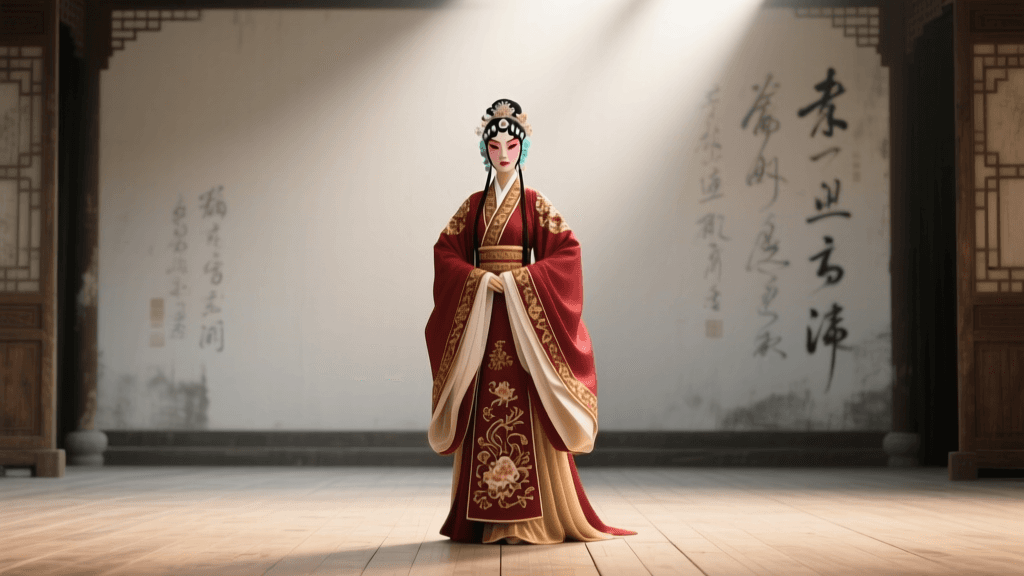
As the global appreciation for traditional Chinese culture continues to surge in 2026, the boundary between historical fashion and theatrical performance has become a focal point for enthusiasts and scholars alike. While the modern Hanfu movement primarily focuses on the meticulous recreation of historical daily wear—such as the Ming Dynasty mamianqun (horse-face skirt) or the Song Dynasty beizi (long jacket)—traditional performing arts utilize a specialized wardrobe known as Xifu (opera costumes). Xifu is deeply rooted in the silhouettes of historical Hanfu but is deliberately exaggerated, stylized, and color-coded to convey character, status, and emotion to audiences seated far from the stage.
For modern practitioners, collectors, and cultural preservationists, understanding the nuanced differences between everyday Hanfu and the spectacular garments of Peking Opera (Jingju) and Kunqu is essential. This guide explores the sartorial traditions of China's most revered theatrical forms, offering actionable insights for sourcing, wearing, and preserving these magnificent textiles in 2026.
Kunqu Opera: The Elegant Ancestor of Chinese Theater
Often described as the 'ancestor of a hundred operas,' Kunqu is celebrated for its refined music, poetic librettos, and graceful choreography. UNESCO recognizes Kunqu Opera as a Masterpiece of the Oral and Intangible Heritage of Humanity, a designation that has spurred significant investment in its preservation and modern revival. In 2026, contemporary Kunqu troupes are increasingly prioritizing historical authenticity in their wardrobes, moving away from mass-produced synthetic costumes and returning to traditional silk weaving and natural dyeing methods.
Key Garments and the Art of Water Sleeves
The wardrobe of Kunqu is characterized by its subdued elegance, flowing lines, and intricate embroidery. The most iconic element of the Kunqu costume is the Shui Xiu (water sleeve). Unlike the fixed cuffs of everyday historical Hanfu, water sleeves are long, flowing extensions of white silk attached to the cuffs of the inner garment. Performers use these sleeves to express a vast vocabulary of emotions—from shyness and sorrow to anger and joy—through highly codified movements.
In 2026, master tailors in Suzhou are commissioning water sleeves using specialized heavy-weight silk crepe that provides the exact drape and 'snap' required for advanced techniques like dou xiu (quivering sleeve) and pao xiu (throwing sleeve). A bespoke set of Kunqu water sleeves, hand-stitched to ensure durability during rigorous performances, typically costs between 800 and 1,500 CNY, reflecting the premium placed on artisanal craftsmanship today.
Peking Opera (Jingju): Spectacle, Symbolism, and Structure
If Kunqu is a delicate watercolor painting, Peking Opera is a bold, vibrant mosaic. Emerging later than Kunqu, Peking Opera prioritizes visual spectacle, martial arts, and immediate character recognition. Peking Opera's inclusion on the UNESCO Representative List underscores its global cultural significance. Furthermore, Britannica's comprehensive overview of Peking Opera notes that its costumes are less concerned with historical accuracy and more focused on theatrical symbolism, drawing loosely from Ming Dynasty Hanfu but heavily modified for the stage.
Decoding the Mang and Pei Robes
The Peking Opera stage is dominated by the Mang (python robe), worn by emperors, high-ranking officials, and generals. The Mang features a round collar, side slits, and is heavily embroidered with dragons, pythons, or phoenixes, alongside stylized wave and mountain motifs at the hem. The color of the Mang instantly communicates the wearer's status and personality: yellow is reserved for royalty, red for high-ranking and loyal officials, black for fierce or impartial judges, and white for young, handsome generals.
Another staple is the Pei, a long, front-opening robe with a straight collar and side slits, worn by scholars and noblewomen in informal or domestic scenes. While the Pei shares structural similarities with the historical Ming Dynasty Daoshan or Beizi, the Peking Opera version features significantly denser embroidery, broader sleeves, and a stiffer internal lining to maintain a commanding silhouette under intense stage lighting.
Comparative Guide: Everyday Hanfu vs. Stage Xifu
For enthusiasts transitioning from historical Hanfu reenactment to theatrical performance, understanding the structural differences is critical. The table below outlines the primary distinctions between everyday historical garments and their stage counterparts in 2026.
| Feature | Historical Hanfu (Ming/Song) | Kunqu Xifu (Stage) | Peking Opera Xifu (Stage) |
|---|---|---|---|
| Primary Fabric | Silk, linen, ramie, cotton | High-grade mulberry silk, crepe | Heavy satin, brocade, stiffened silk |
| Sleeve Style | Pipa sleeves, straight cuffs, narrow fits | Extended white silk water sleeves (Shui Xiu) | Wide, stiffened cuffs; occasionally water sleeves |
| Color Palette | Subdued, natural plant dyes, pastel or earthy | Elegant pastels, soft jade greens, pale pinks | High-contrast, bold primary colors, metallic threads |
| Embroidery Density | Moderate; focused on borders and collars | High; intricate Su Xiu (Suzhou embroidery) | Extremely high; full-body motifs, gold/silver couching |
| Internal Structure | Soft drape, relies on layering and ties | Light padding, tailored for fluid movement | Heavy padding, stiff collars, structural undergarments |
The Return to Natural Eco-Friendly Dyes in 2026
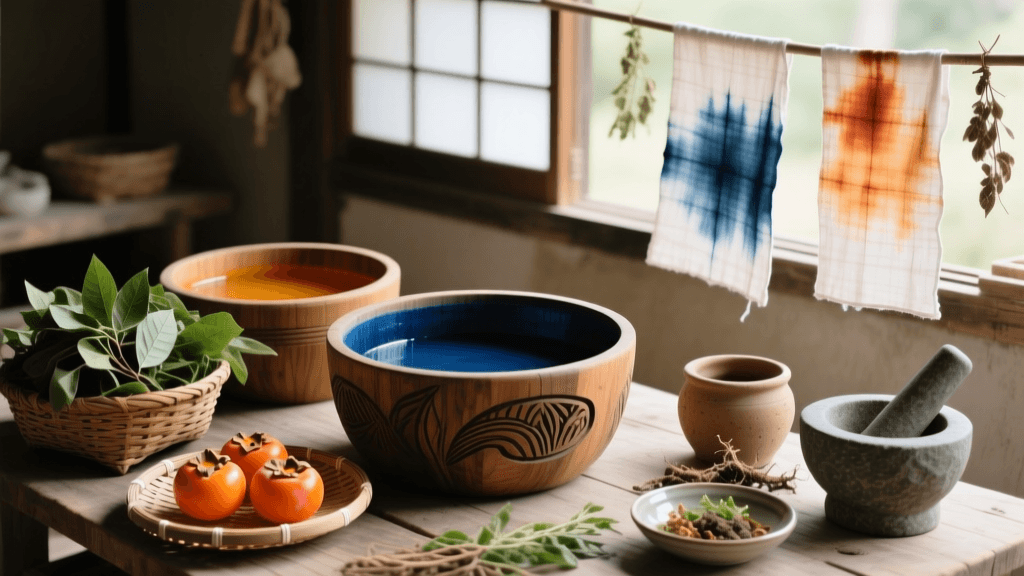
A major trend in the 2026 traditional performing arts sector is the rejection of harsh, synthetic aniline dyes in favor of traditional, eco-friendly botanical dyes. Modern LED stage lighting, which has become standard in global theater tours, often washes out synthetic colors or creates an unnatural glare. To counter this, premier Kunqu and Peking Opera troupes are collaborating with heritage dye houses in Yunnan and Guizhou.
Garments are now being dyed using indigo (for deep, resonant blues), madder root (for rich, earthy reds), and rattan yellow (for vibrant, warm yellows). These natural dyes not only provide a visually soothing depth under modern lighting but also align with the global push for sustainable fashion. A naturally dyed, hand-embroidered Kunqu Pei robe can now command upwards of 12,000 CNY, reflecting the intensive labor of extracting plant pigments and the multiple vat-dipping processes required to achieve colorfastness.
Sourcing and Commissioning Theatrical Garments in 2026
For serious students of traditional theater, cosplayers, or collectors looking to acquire authentic Xifu, the sourcing landscape in 2026 offers both digital convenience and artisanal depth. While mass-market e-commerce platforms offer entry-level polyester costumes for under 300 CNY, these lack the structural integrity and aesthetic grace required for actual performance or high-level exhibition.
- Beijing's Liulichang District: Remains the epicenter for Peking Opera costumes. Bespoke tailors here specialize in the heavy brocades and structural padding required for Jingju armor (Kao) and python robes (Mang). Expect a lead time of 3 to 4 months and prices starting at 5,000 CNY for hand-finished pieces.
- Suzhou Embroidery Artisans: For Kunqu garments, sourcing directly from Suzhou is paramount. The delicate Su Xiu (Suzhou embroidery) technique is essential for the subtle, elegant motifs favored in Kunqu. Many master embroiderers now operate via WeChat mini-programs, allowing international buyers to commission custom water-sleeve robes with precise measurements.
- Vintage and Secondhand Markets: The market for mid-20th-century theatrical garments has exploded. Vintage Xifu from the 1980s and 1990s, often featuring real gold and silver thread couching that is rarely used today due to cost, are highly sought after. Auction houses and specialized vintage dealers in Shanghai regularly feature these pieces, with prices ranging from 15,000 to 50,000 CNY depending on provenance and condition.
Practical Advice for Performers and Enthusiasts
Wearing and maintaining theatrical Xifu requires specific knowledge that differs vastly from everyday Hanfu. If you are stepping onto the stage or preparing for a high-level cultural exhibition in 2026, adhere to these best practices:
Mastering the Undergarments and Padding
Unlike historical Hanfu, which drapes naturally over the body's contours, Peking Opera costumes require a specific internal architecture. Performers must wear specialized padded undershirts to broaden the shoulders and create a commanding, heroic silhouette. Failing to wear the correct padding will cause the heavy Mang robe to collapse inward, ruining the intended visual impact and restricting arm movement.
Water Sleeve Maintenance
Water sleeves are highly susceptible to staining and fraying. After every performance or practice session, the white silk extensions must be carefully hand-washed in cold water with a pH-neutral silk detergent. They should never be wrung out; instead, roll them in a clean cotton towel to absorb excess moisture, then iron them on a low-heat silk setting while slightly damp to maintain their crisp, fluid drape.
Storage and Preservation
The heavy embroidery and metallic threads of Peking Opera Xifu are prone to oxidation and snagging. In 2026, conservationists recommend storing these garments flat in acid-free archival boxes, interleaved with unbuffered acid-free tissue paper. Never hang a heavily embroidered Mang robe or Kao armor for long periods, as the immense weight of the embroidery will eventually warp the silk base fabric and tear the shoulders.
Conclusion
The wardrobes of Kunqu and Peking Opera represent the zenith of Chinese textile artistry, blending the foundational elegance of historical Hanfu with the bold, symbolic requirements of the stage. As we navigate 2026, the renewed commitment to natural dyes, heritage embroidery, and meticulous structural tailoring ensures that these performing arts garments remain not just costumes, but living, breathing masterpieces of Asian tradition. Whether you are a performer mastering the flick of a water sleeve or a collector preserving a vintage python robe, respecting the distinct heritage of Xifu is key to honoring the enduring legacy of Chinese theater.