Hanfu in Peking Opera & Kunqu: 2026 Stage Wardrobe Guide
The Intersection of Historical Hanfu and Theatrical Xifu
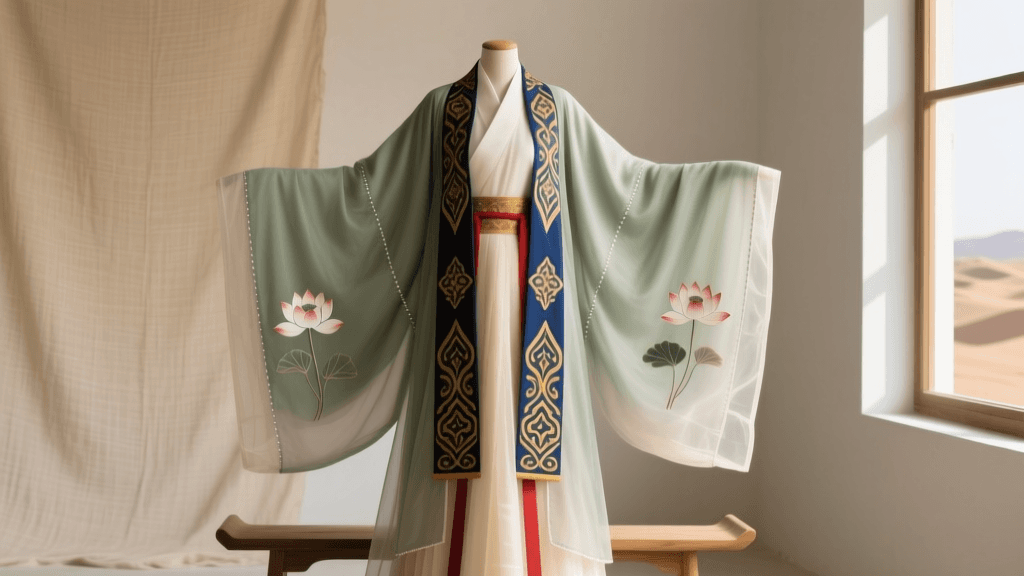
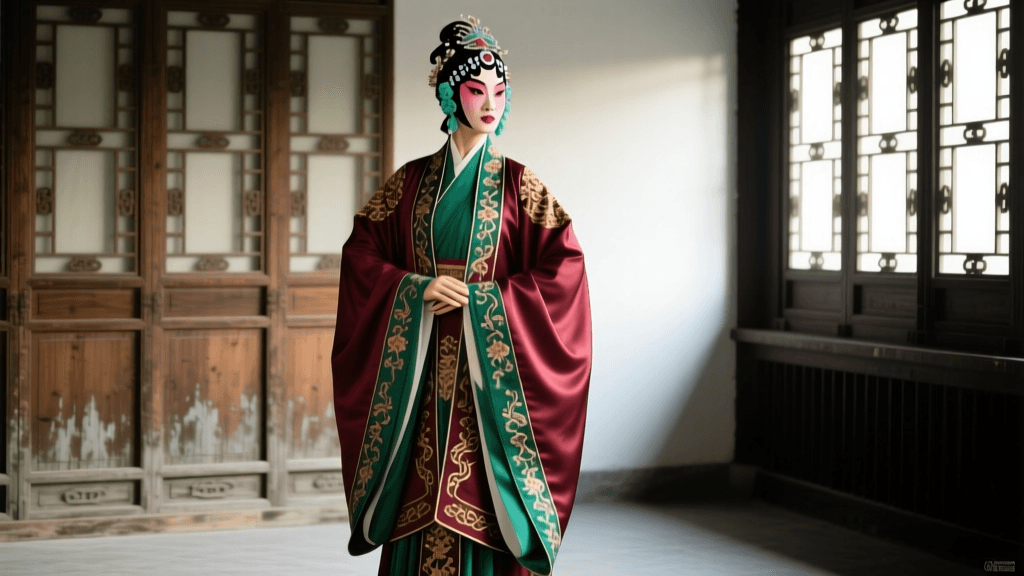
As we navigate the cultural landscape of 2026, the global fascination with traditional Asian garments has reached unprecedented heights. While the everyday Hanfu movement continues to evolve, its intersection with traditional performing arts—specifically Peking Opera (Jingju) and Kunqu—offers a masterclass in textile engineering, symbolic design, and historical preservation. In the realm of Chinese theater, historical Hanfu is adapted into Xifu (theatrical costumes). These stage garments are not mere historical replicas; they are exaggerated, highly stylized extensions of traditional Hanfu designed to convey character, status, and emotion to audiences sitting far from the stage.
For modern performers, collectors, and cultural enthusiasts in 2026, understanding the lineage from everyday Hanfu to stage Xifu is crucial. Theatrical costumes borrow heavily from the silhouettes, collar structures, and fabric draping of historical Hanfu, particularly from the Ming Dynasty, while incorporating elements of Qing Dynasty court dress and pure theatrical fantasy. This guide explores the nuanced relationship between Hanfu and traditional performing arts, offering actionable insights for sourcing, styling, and preserving these magnificent garments today.
Kunqu Opera: The Elegance of Ming Dynasty Hanfu
Kunqu is widely regarded as the ancestor of all Chinese operas, and its aesthetic is deeply rooted in the refined, scholarly elegance of Ming Dynasty Hanfu. Recognized by UNESCO as a Masterpiece of the Oral and Intangible Heritage of Humanity, Kunqu relies on subtlety, poetic grace, and fluid movements. Consequently, the Hanfu-inspired costumes worn in Kunqu are significantly more subdued and historically grounded than those in later theatrical forms.
In 2026, Kunqu troupes prioritize authenticity in their textile choices. The garments frequently feature the Yuling (standing collar) and the Piling (cross-collar) structures native to Ming Hanfu. The color palettes lean toward pastels, jade greens, soft pinks, and muted blues, reflecting the literati class from which many Kunqu characters are drawn. The embroidery, typically executed in the world-renowned Suzhou embroidery (Su Xiu) technique, features delicate floral motifs, cranes, and bamboo, avoiding the aggressive, high-contrast patterns seen in other regional operas.
The most critical Hanfu adaptation in Kunqu is the Shuixiu (water sleeves). While historical Hanfu sleeves were naturally long and flowing, Kunqu extends the white silk cuffs to over two feet in length. Performers spend years mastering the manipulation of these sleeves to express weeping, shyness, anger, or joy, turning a functional aspect of traditional Hanfu into a dynamic storytelling tool.
Peking Opera: Symbolic Grandeur and Stylized Silhouettes
Where Kunqu whispers, Peking Opera shouts. Emerging later and absorbing various regional styles, Peking Opera (Jingju) developed a highly codified, vibrant, and exaggerated wardrobe system. According to Encyclopedia Britannica, Peking Opera relies on a strict visual code where every color, pattern, and garment shape immediately informs the audience of a character's personality, age, and social rank. While it incorporates Hanfu foundational elements, it heavily blends them with Qing court aesthetics and martial fantasy.
The cornerstone of the Peking Opera wardrobe is the Mangpao (python robe). Historically derived from the Ming Dynasty Hanfu dragon robes worn by high-ranking officials, the theatrical Mangpao is heavily padded, lined, and structured to give the actor an imposing, larger-than-life silhouette. In 2026, modern Jingju tailors construct these robes using heavy silk satin, metallic gold and silver threads, and intricate Jing Xiu (Beijing embroidery). The colors are strictly codified: yellow is reserved for emperors, red for high-ranking loyal officials, and black for fierce, upright warriors.
Another fascinating Hanfu adaptation is the Kao (armor). While historical Hanfu military armor was designed for actual combat or ceremonial guard duties, the theatrical Kao is a marvel of structural engineering. It consists of a front and back panel, shoulder pads, and four pennants (flags) attached to the back to represent an army. The base layers, however, remain rooted in traditional Hanfu undergarments and trousers, allowing the performer the necessary mobility for intense acrobatic combat sequences.
2026 Sourcing and Commissioning Guide for Stage Wardrobes
For theater companies, university performing arts programs, and serious collectors looking to acquire authentic Peking Opera and Kunqu garments in 2026, the sourcing landscape has become highly specialized. Mass-produced, synthetic costumes are readily available online, but authentic, hand-embroidered silk Xifu requires commissioning from master artisans.
- Suzhou Artisans (For Kunqu & Fine Silks): Suzhou remains the undisputed capital for Kunqu wardrobes. Commissioning a custom, hand-embroidered Kunqu Pei (cape) or scholar's robe from a recognized Suzhou embroidery atelier in 2026 typically costs between $3,500 and $8,000 USD, with a lead time of 6 to 9 months. These pieces use genuine silk threads and traditional natural dyes.
- Beijing and Tianjin Workshops (For Peking Opera): For heavy, structured Jingju garments like the Mangpao and Kao, the traditional workshops in Beijing and Tianjin are the gold standard. These tailors specialize in the complex padding, structural lining, and metallic Jing Xiu required for Peking Opera. Expect to pay $5,000 to $12,000 USD for a fully authentic, performance-grade python robe.
- Modern Textile Innovations: In 2026, many mid-tier troupes opt for high-grade synthetic silks and digital embroidery for ensemble cast members to reduce costs and weight, reserving hand-embroidered natural silk Hanfu adaptations strictly for principal actors.
Comparative Analysis: Kunqu vs. Peking Opera Costuming
Understanding the distinct differences between these two art forms is essential for anyone studying the theatrical evolution of Hanfu. Below is a structured comparison of their wardrobes as utilized in contemporary 2026 performances.
| Feature | Kunqu Opera Wardrobe | Peking Opera (Jingju) Wardrobe |
|---|---|---|
| Primary Hanfu Influence | Ming Dynasty Literati & Court Hanfu | Stylized Ming/Qing Fusion & Martial Fantasy |
| Color Palette | Subdued, pastel, elegant, nature-inspired | Vibrant, high-contrast, strictly codified by rank |
| Embroidery Style | Su Xiu (Suzhou) - fine, flat, delicate | Jing Xiu (Beijing) - raised, metallic, bold |
| Silhouette & Structure | Flowing, natural drape, closer to historical Hanfu | Padded, structured, exaggerated to enlarge the actor |
| Water Sleeves (Shuixiu) | Long, fluid, used for subtle emotional expression | Shorter or heavily manipulated for dynamic, sharp movements |
| Headwear & Accessories | Simple scholar caps, delicate hairpins, minimal makeup | Elaborate pheasant-feather helmets, heavy crowns, painted faces |
Modern Preservation and Care for Theatrical Silks
The preservation of theatrical Xifu in 2026 bridges ancient textile care with modern conservation science. Because these garments are heavily layered with metallic threads, natural silk, and sometimes delicate kingfisher feather inlays (or modern ethical synthetic alternatives), they cannot be laundered using conventional methods.
For collectors and troupe wardrobe masters, climate control is paramount. Theatrical silks must be stored in acid-free, unbleached cotton garment bags within environments maintained at a strict 50% relative humidity and a temperature of 65°F (18°C). Direct sunlight must be entirely avoided to prevent the fading of both natural and modern reactive dyes.
When it comes to cleaning, the structural padding of Peking Opera armor and python robes prohibits water immersion. In 2026, professional conservators utilize specialized, low-suction HEPA vacuuming with micro-screen attachments to remove stage dust and perspiration salts from the inner linings. The outer embroidered layers are spot-cleaned using organic, pH-neutral solvents applied with micro-swabs. Water sleeves, which endure the most physical stress and absorb the most perspiration, are typically constructed with detachable inner cotton linings that can be carefully hand-washed and air-dried, preserving the structural integrity of the outer silk cuff.
Ultimately, the survival of Hanfu in Peking Opera and Kunqu is a testament to the adaptability of traditional Asian garments. By understanding the historical roots, sourcing from master artisans, and employing rigorous modern preservation techniques, we ensure that these breathtaking theatrical interpretations of Hanfu continue to captivate audiences for generations to come.