The 2026 Guide to Japanese Garments: Kimono vs Yukata
Introduction to Japanese Traditional Garments in 2026
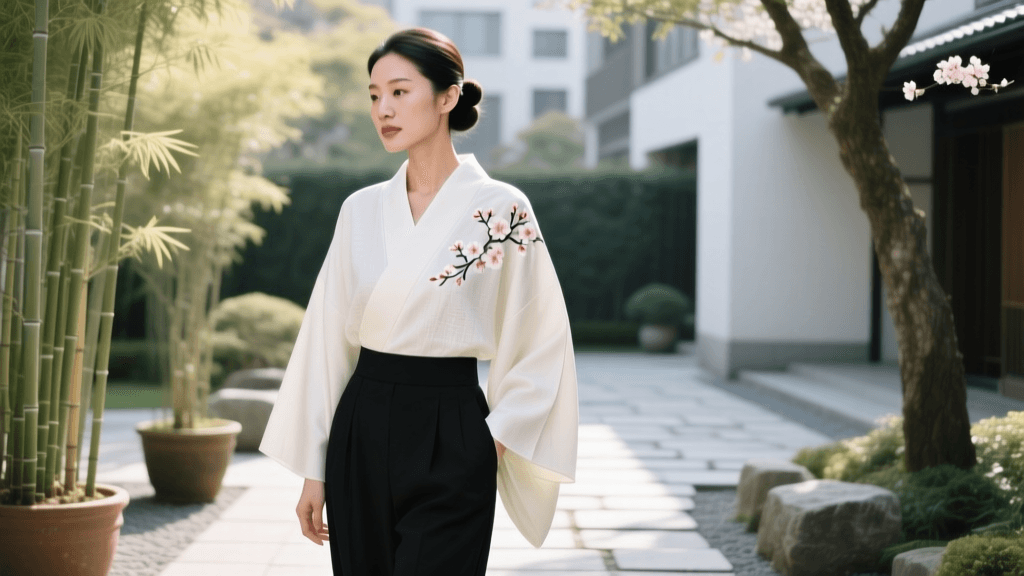
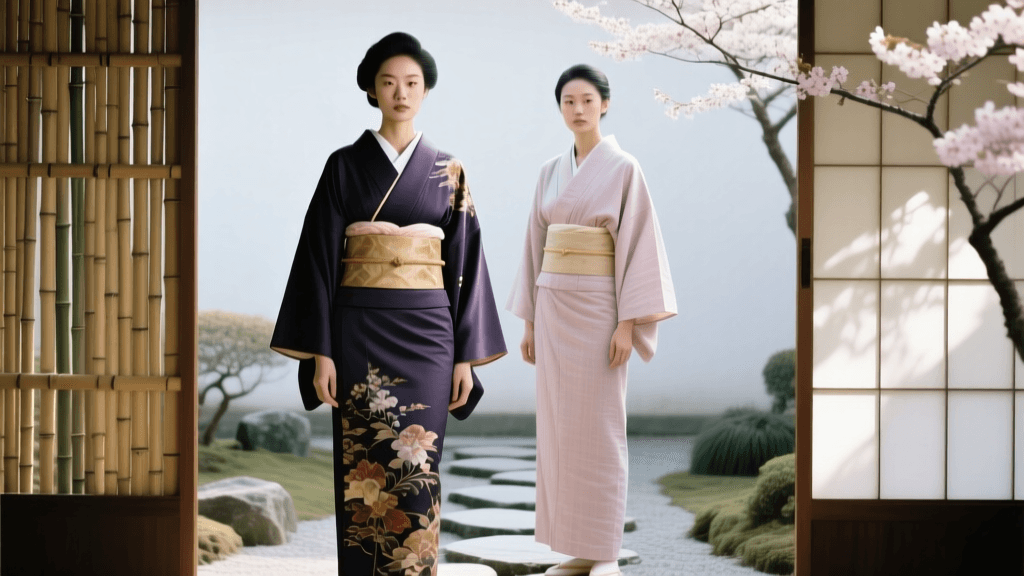
As we navigate through 2026, the global fascination with Japanese traditional garments continues to evolve, blending centuries-old craftsmanship with modern sustainability and styling trends. Whether you are planning a trip to Kyoto for the summer festivals, attending a formal tea ceremony, or simply looking to incorporate elegant Asian traditions into your contemporary wardrobe, understanding the distinction between Japan's two most iconic garments—the kimono and the yukata—is essential. While they share a similar T-shaped silhouette, their construction, fabrics, and cultural contexts are vastly different. In this comprehensive guide, we break down everything you need to know about Japanese garments in 2026, from fabric technology and pricing to styling and maintenance.
The Kimono: Japan's Formal Masterpiece
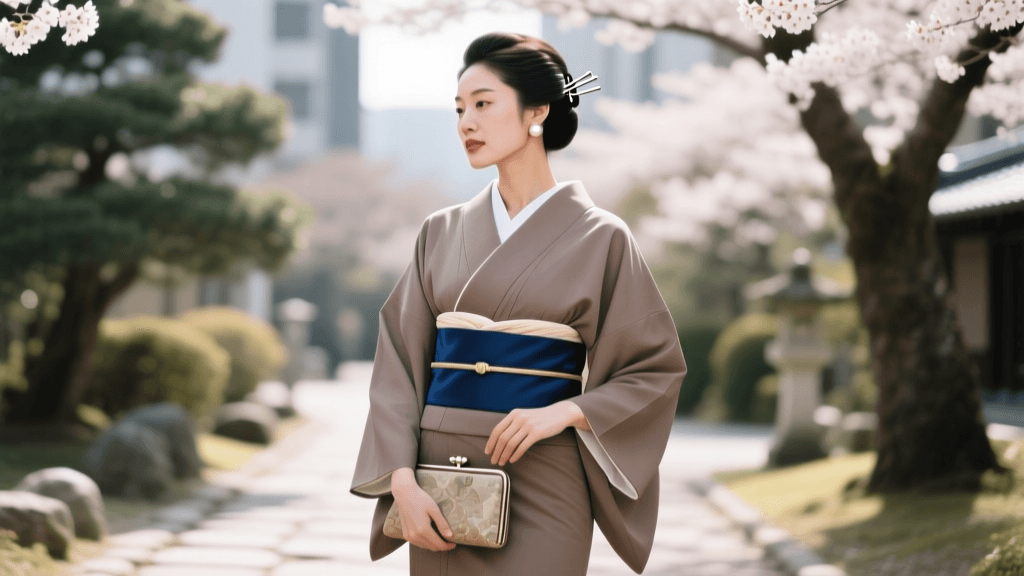
The word "kimono" literally translates to "thing to wear" (ki = wear, mono = thing). Historically, it referred to all clothing, but today it specifically denotes the formal, multi-layered silk garment that serves as Japan's national dress. According to the Metropolitan Museum of Art, the kimono's straight-line-cut method of construction allows for incredible versatility in sizing and layering, making it a timeless piece of wearable art.
Fabrics and Construction
Authentic kimonos are predominantly crafted from high-quality silk, including textured varieties like chirimen (crepe silk) and rinzu (silk damask). In 2026, there is also a significant rise in sustainable, lab-grown silk alternatives and recycled synthetic blends that mimic the drape of traditional silk while reducing the environmental footprint. A formal kimono is fully lined and consists of multiple layers. The foundation includes the hadajuban (undergarment) and nagajuban (a thin kimono worn beneath the main garment to protect the delicate silk from sweat and oils).
The Obi and Accessories
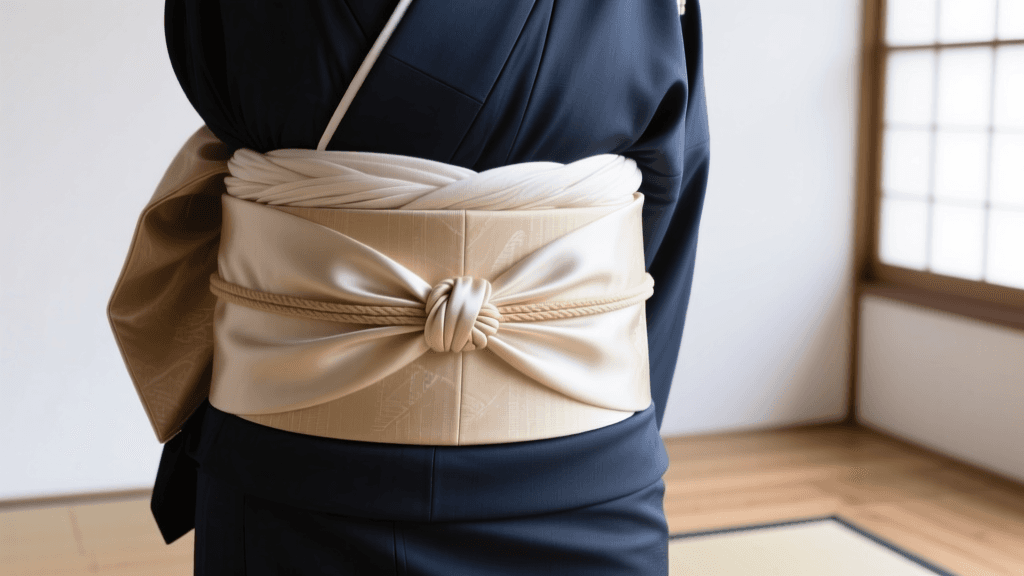
The obi (sash) worn with a kimono is a heavily structured, often brocade-woven belt that can be as expensive as the kimono itself. Formal obis, such as the fukuro obi or maru obi, are thick, stiff, and require intricate tying techniques. Footwear for a kimono includes tabi (split-toe socks) and zori (formal sandals with elevated soles).
The Yukata: The Casual Summer Staple
If the kimono is Japan's formal evening gown, the yukata is its breezy summer sundress. Originally worn by the nobility as a bathrobe (yu = bath, katabira = undergarment), the yukata evolved during the Edo period into the quintessential garment for summer festivals, fireworks displays, and relaxing at traditional ryokan inns. The Japan National Tourism Organization highlights the yukata as one of the most accessible and widely worn traditional garments by both locals and tourists today.
Fabrics and Simplicity
Unlike the silk kimono, the yukata is made from unlined cotton, linen, or modern cotton-polyester blends. This makes it highly breathable, lightweight, and easy to wash. In 2026, we are seeing a surge in "cool-touch" yukatas made with advanced moisture-wicking weaves, perfect for Japan's increasingly humid summers. Because it is unlined and casual, the yukata requires far fewer under-layers, usually worn directly over basic modern undergarments or a simple cotton slip.
Styling the Yukata
The obi worn with a yukata is much simpler. The hanhaba obi (half-width obi) is soft, easy to tie, and comes in a myriad of playful, reversible patterns. Footwear is equally relaxed; while geta (wooden clogs) are traditional, it is entirely acceptable in 2026 to pair a yukata with minimalist leather sandals or even clean, stylized sneakers for a modern streetwear fusion look.
Key Differences: Kimono vs. Yukata
To help you quickly identify which garment is appropriate for your needs, refer to the comparison table below.
| Feature | Kimono | Yukata |
|---|---|---|
| Primary Fabric | Silk, Wool, High-end Synthetics | Cotton, Linen, Breathable Blends |
| Lining | Fully lined (Awase) or unlined for summer (Hitoe) | Always unlined |
| Layers Required | Multiple (Hadajuban, Nagajuban, Kimono) | Minimal (Slip and Yukata) |
| Obi Type | Fukuro, Nagoya (Wide, stiff, brocade) | Hanhaba (Half-width, soft, cotton) |
| Footwear | Tabi socks and Zori sandals | Bare feet or Tabi with Geta clogs |
| Occasions | Weddings, Tea Ceremonies, Formal Events | Summer Matsuri, Fireworks, Ryokan |
| 2026 Price (New) | ¥80,000 - ¥300,000+ ($550 - $2,000+) | ¥8,000 - ¥25,000 ($55 - $170) |
2026 Market Trends: Where and How to Buy
The landscape of buying Japanese garments has shifted dramatically by 2026. While department stores in Ginza still offer bespoke, hand-painted silk kimonos that take months to complete, the most vibrant sector of the market is the vintage and upcycled space.
The Vintage Boom
Thrift stores and specialized vintage kimono shops, known as tansu-ya, are thriving. Due to the aging population in Japan, massive quantities of high-quality, mid-20th-century silk kimonos have entered the secondhand market. In 2026, you can easily find a stunning, authentic vintage silk kimono in excellent condition for between ¥5,000 and ¥15,000 ($35 to $105). These vintage pieces are highly sought after by global fashion enthusiasts who repurpose the silk for modern tailoring or wear them as statement outerwear.
Modern Retail and AI Sizing
For those buying new, brands like Y. & Sons and modern Kyoto artisans are integrating AI-driven sizing apps. By scanning your body measurements via smartphone, these platforms custom-tailor the length and sleeve drop of your yukata or kimono, ensuring a perfect fit without the need for multiple in-person fittings. Furthermore, 2026 has seen the introduction of 3D-printed obidome (obi clasps) and kanzashi (hair ornaments), allowing buyers to download and print bespoke accessories at home.
Kitsuke: The Art of Dressing
The process of putting on a kimono or yukata is called kitsuke. It is a disciplined art form that prioritizes geometry and posture over the body's natural curves.
The Golden Rule: Left Over Right
The most critical rule in kitsuke is to always wrap the left panel of the garment over the right panel. Wrapping right over left is strictly reserved for dressing the deceased for burial. This rule applies universally, whether you are wearing a multi-layered silk kimono or a simple cotton yukata.
Modernizing the Silhouette
Traditionally, the kimono silhouette is cylindrical, requiring padding to flatten the chest and hips. However, in 2026, a more relaxed, body-positive approach to kitsuke has emerged among younger generations. Many now embrace the natural drape of the silk, skipping heavy padding and opting for softer, more relaxed obi ties like the bunko (bow) or taiko (drum) knot, adapted for everyday comfort.
Garment Care and Maintenance
Caring for Japanese garments requires specific knowledge, particularly when dealing with traditional silks and dyes.
Kimono Care
Silk kimonos should never be washed in a standard washing machine. Traditionally, they underwent arai-hari, a process where the garment is completely unsewn, washed as flat fabric bolts, and re-sewn. Today, this is rare and expensive. In 2026, most owners rely on specialized eco-friendly dry cleaners who use liquid silicone solvents to clean silk without degrading the natural fibers or causing the vibrant dyes to bleed. Between cleanings, kimonos are aired out in the shade and stored in specialized tatou paper to prevent moisture buildup and yellowing.
Yukata Care
One of the greatest advantages of the yukata is its ease of maintenance. Most modern cotton and poly-blend yukatas can be machine washed on a gentle cycle using a mesh laundry net. They should be hung to dry in the shade to prevent the sun from fading the indigo and botanical dyes. A quick pass with a steam iron on the cotton setting will easily remove wrinkles and restore the crisp lines required for a neat kitsuke.
Conclusion
Whether you are draping yourself in the opulent, multi-layered silk of a formal kimono or slipping into a breezy, indigo-dyed yukata for a summer evening stroll, Japanese traditional garments offer a profound connection to Asian heritage. As we move through 2026, the boundaries between traditional craftsmanship and modern innovation continue to blur, making these garments more accessible, sustainable, and versatile than ever before. By understanding the distinct characteristics, proper styling, and care requirements of both the kimono and the yukata, you can confidently embrace these timeless silhouettes in your own wardrobe.