Hanfu in Kunqu & Peking Opera 2026: Stage Costume Guide
The 2026 Renaissance of Theatrical Hanfu
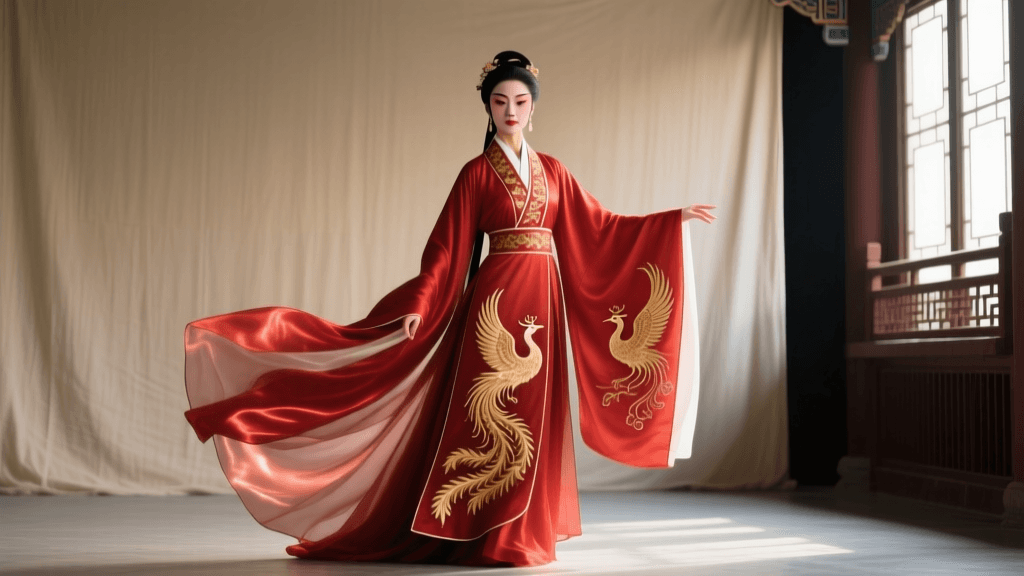
The year 2026 marks a spectacular renaissance for traditional Chinese performing arts. As global interest in intangible cultural heritage surges, theaters from Beijing to London are selling out performances of Kunqu and Peking Opera. Central to this revival is the breathtaking visual language of the stage, heavily rooted in historical Hanfu. However, the garments worn by opera performers—known collectively as Xifu (theatrical costumes)—are not mere historical replicas. They are highly stylized, exaggerated, and technically engineered adaptations of Ming Dynasty Hanfu, designed specifically to amplify the actor's movements under intense stage lighting.
For modern performers, collectors, and costume designers, understanding the intersection of traditional Hanfu silhouettes and 2026 stagecraft innovations is essential. This comprehensive guide explores the core garments of Kunqu and Peking Opera, the latest textile technologies, and actionable advice for sourcing and maintaining these masterpieces in 2026.
Historical Hanfu vs. Theatrical Xifu
While the Hanfu movement focuses heavily on historical accuracy and the revival of everyday garments from the Tang, Song, and Ming dynasties, traditional opera costumes operate under a different set of rules. According to the UNESCO Intangible Cultural Heritage archives, Kunqu Opera relies on a visual shorthand where costumes immediately communicate a character's age, gender, social status, and moral alignment.
Theatrical Xifu is predominantly based on Ming Dynasty Hanfu silhouettes, regardless of the historical era the play is set in. A Song Dynasty scholar and a Tang Dynasty general will both wear Ming-inspired robes on stage, differentiated only by color, motif, and headwear. In 2026, the distinction between everyday Hanfu and stage Xifu is more pronounced than ever, as modern theater companies prioritize dynamic movement, acoustic rustle, and sweat-wicking capabilities over strict historical replication.
Core Garments: Mang, Pei, and Xuezi
The Mang (Python Robe)
The Mang is the most formal and visually commanding garment in the opera wardrobe, worn exclusively by emperors, high-ranking officials, and generals. Featuring a round collar, side slits, and wide sleeves, the Mang is heavily embroidered with python motifs (four-clawed dragons), clouds, and crashing waves. In 2026, the premier Mang robes utilize Panjin (coiled gold) embroidery techniques from Suzhou, where pure gold leaf is wrapped around silk cores, ensuring the robe catches the light during the actor's dramatic trembles and poses.
The Pei (Informal Robe)
The Pei is a cross-collared, wide-sleeved robe worn by nobles and scholars in private or informal settings. It is the quintessential canvas for the Kunqu performer's emotional expression, primarily due to its attachment to the Shuixiu (water sleeves). The Pei allows for fluid, sweeping movements that convey sorrow, joy, or contemplation.
The Xuezi (Scholar's Robe)
Simpler and more understated, the Xuezi is the everyday wear for students, minor officials, and commoners. It features a cross-collar and side slits but lacks the heavy embroidery of the Mang or Pei. In 2026, eco-friendly dyeing methods have revolutionized the Xuezi, with top studios utilizing fermented indigo and pomegranate rinds to achieve deep, colorfast blacks and blues that do not bleed under hot stage lights.
2026 Fabric Innovations for the Stage
Performing a three-hour Kunqu epic requires immense physical exertion. Historically, heavy brocades and lined silks trapped heat, causing performer fatigue. In 2026, Hangzhou's leading textile mills have introduced 'Thermo-Silk' blends specifically for the Asian performing arts sector. These fabrics maintain the luxurious luster and acoustic 'swish' of traditional Zhusi (bamboo silk) while incorporating microscopic moisture-wicking channels.
Furthermore, 2026 has seen the integration of sustainable, lab-grown spider silk threads in the lining of heavy Mang robes, reducing the garment's overall weight by 18% without sacrificing the structural drape required for stage presence.
Table: Traditional vs. 2026 Modern Stage Fabrics
| Fabric Type | Composition | Weight & Drape | Best Use Case | 2026 Avg. Price (USD/m) |
|---|---|---|---|---|
| Traditional Zhusi (Bamboo Silk) | 100% Natural Bamboo Silk | Heavy, stiff drape | Outer Mang robes, ceremonial scenes | $145 |
| Thermo-Silk Crepe | 70% Mulberry Silk, 30% Cupro | Lightweight, fluid, breathable | Pei robes, water sleeves, summer tours | $210 |
| Eco-Dyed Raw Silk | 100% Raw Silk, Plant Dyes | Medium weight, textured | Xuezi robes, scholar roles | $185 |
| Spider-Silk Lining Blend | Silk & Bio-engineered Protein | Ultra-light, high tensile strength | Inner linings for heavy armor/Mang | $320 |
Sourcing and Commissioning Custom Opera Hanfu in 2026
For professional troupes and serious collectors, off-the-rack costumes are rarely sufficient. Commissioning a custom Xifu requires engaging with specialized ateliers. As noted by the Asia Society's educational resources on Chinese Opera, the regional nuances in costume construction are profound. Beijing ateliers excel in the bold, structured armor and vibrant, high-contrast embroidery required for Peking Opera martial arts (Wusheng) roles. Conversely, Suzhou and Hangzhou studios dominate the market for the delicate, pastel-hued, and intricately embroidered garments favored in the lyrical Kunqu tradition.
2026 Pricing and Lead Times
- AI-Assisted Machine Embroidery (Entry Professional): Utilizing 2026 AI-mapping to perfectly align digital embroidery on curved seams. Cost: $1,200 - $1,800 USD. Lead time: 4-6 weeks.
- Hybrid Hand/Machine (Standard Troupe Quality): Machine base with hand-finished gold couching and sequin work. Cost: $3,500 - $5,000 USD. Lead time: 3-4 months.
- Master Hand-Embroidered (Heritage Collector/Master Performer): 100% hand-embroidered using traditional Suzhou techniques, real gold thread, and custom natural dyeing. Cost: $8,500 - $15,000+ USD. Lead time: 8-12 months.
Actionable Guide: Sizing the Shuixiu (Water Sleeves)
The Shuixiu are the long, white silk extensions attached to the cuffs of the Pei and Xuezi. They are the primary tool for non-verbal storytelling in Kunqu. In 2026, performers must be precise when commissioning sleeve lengths, as modern stage depths require different visual proportions than historical courtyard stages.
- Measure the Base Arm: Measure from the shoulder seam down to the wrist bone. This is your base sleeve length.
- Determine the Extension: For traditional Kunqu Guimendan (young female) roles, the standard water sleeve extension is exactly 65cm past the wrist. For dramatic Peking Opera Qingyi roles, extensions can reach 90cm to 110cm.
- Calculate the Weight: Request your atelier to add a 15-gram lead-free weighted tape to the inner hem of the water sleeve. This 2026 standard ensures the silk snaps back crisply during the 'flick' and 'tremble' techniques without tangling.
- Choose the Silk: Always select 12mm to 14mm silk crepe de chine for water sleeves. Heavier silks will not catch the air properly, while lighter habotai will tangle and look translucent under LED stage rigs.
Preservation and Eco-Friendly Maintenance
A master-crafted Mang robe is an investment that must outlast the performer's career. In 2026, the shift away from harsh chemical dry-cleaning has led to the adoption of liquid carbon dioxide (CO2) cleaning technology for delicate theatrical silks. This method removes stage sweat and makeup oils without degrading the natural dyes or stripping the metallic threads of their luster.
Between performances, garments should be hung on wide, padded cedar hangers to support the heavy embroidery. Never fold a Mang or heavily embroidered Pei; the creases will permanently fracture the gold-wrapped threads over time. Store the garments in breathable, unbleached cotton garment bags infused with natural camphor wood blocks to deter silverfish and moths, completely avoiding synthetic mothballs which can yellow white silk water sleeves.
Conclusion
The garments of Kunqu and Peking Opera are living artifacts. They honor the foundational silhouettes of Ming Dynasty Hanfu while continuously evolving to meet the physical and aesthetic demands of the modern stage. By understanding the nuances of theatrical Xifu, embracing 2026's sustainable textile innovations, and sourcing from master artisans, performers and collectors can ensure that this breathtaking visual tradition continues to captivate audiences for generations to come.