Authentic Kunqu Opera Hanfu: 2026 Stage Costume Guide
The Intersection of Hanfu and Kunqu Opera in 2026
Kunqu Opera, often revered as the 'ancestor of a hundred operas,' represents one of the most refined and historically significant forms of traditional Chinese performing arts. As we navigate the cultural landscape of 2026, the global Hanfu revival movement has profoundly influenced how modern troupes, theatrical artisans, and dedicated enthusiasts approach Kunqu stage wardrobes. No longer confined to the archives of historic theaters, the garments worn in Kunqu performances—deeply rooted in Ming Dynasty Hanfu silhouettes—are experiencing a renaissance in both material authenticity and craftsmanship. According to the UNESCO Intangible Cultural Heritage registry, the preservation of Kunqu relies not just on the vocal techniques and choreography, but on the meticulous visual storytelling provided by its traditional costumes, known as Xifu.
In 2026, the intersection of historical Hanfu research and theatrical necessity has led to a new golden age of costume design. Modern practitioners are moving away from the mass-produced synthetic costumes of the late 20th century, opting instead for historically informed, hand-woven textiles and authentic embroidery techniques that honor the art form's Ming Dynasty origins while accommodating the rigorous physical demands of the contemporary stage.
Ming Dynasty Silhouettes: The Foundation of Kunqu Wardrobes
Kunqu Opera crystallized during the Ming Dynasty (1368–1644), and its theatrical wardrobe is intrinsically linked to the Hanfu styles of that era. While theatrical costumes are inherently stylized and exaggerated to convey character archetypes from a distance, the foundational silhouettes remain unmistakably Ming. The Metropolitan Museum of Art's historical overview of the Ming Dynasty highlights the era's emphasis on structured, flowing robes and intricate rank badges, elements that were directly adapted into the theatrical lexicon of Kunqu.
The core Kunqu wardrobe is categorized into several distinct garment types, each serving a specific narrative function:
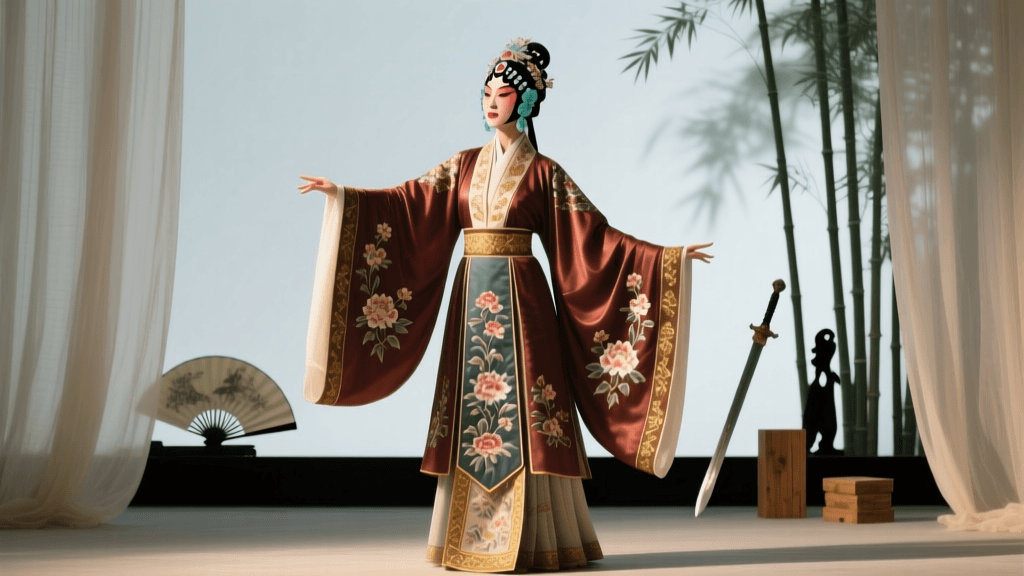
- Mang (Python Robe): Worn by emperors, high-ranking officials, and nobility. These robes feature iconic python motifs and are characterized by their stiff, imposing structure and heavy embroidery.
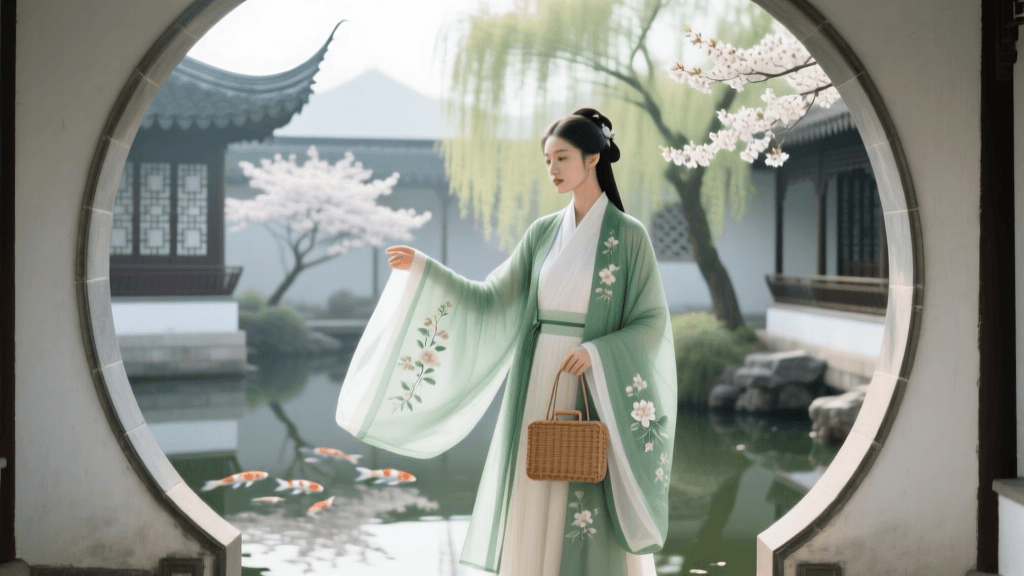
- Pei (Cape or Cloak): A versatile outer garment worn by both men and women of high status. In 2026, modern Hanfu enthusiasts have adapted the Pei into 'Kunqu-core' daily wear, featuring subtle floral embroidery over Ming-style pleated skirts.
- Xuezi (Informal Robe): The standard attire for scholars, commoners, and characters in relaxed or impoverished states. It features a simple cross-collar and wide sleeves, prioritizing fluid movement.
- Kao (Armor): Highly stylized, heavily embroidered armor worn by military generals, complete with flags attached to the back to denote command and martial prowess.
Sourcing Authentic Kunqu Stage Costumes in 2026
For theater directors, independent performers, and serious collectors, sourcing authentic Kunqu stage wear in 2026 requires navigating a specialized network of artisans, primarily located in Suzhou, Jiangsu Province. Suzhou remains the undisputed epicenter of both Kunqu Opera and traditional silk weaving. The town of Zhenhu, famous for its Su embroidery, is home to master tailors who dedicate months to a single Mang robe.
The market in 2026 has bifurcated into two main tiers: professional theatrical commissions and high-end enthusiast replicas. A fully hand-embroidered, professional-grade Mang robe utilizing genuine metallic threads and heavy silk brocade currently commands between $3,500 and $6,500 USD, with a lead time of four to six months. Conversely, semi-custom garments utilizing machine-assisted embroidery and high-quality synthetic blends can be sourced for $800 to $1,500 USD, making them accessible to university troupes and amateur societies.
Top Artisan Hubs and Theatrical Tailors
When commissioning pieces, buyers in 2026 are increasingly working directly with heritage workshops in Suzhou's Gusu District. These workshops employ master embroiderers who specialize in the 'flat and even' stitch work required for stage lighting. Furthermore, the integration of 3D body scanning technology in 2026 allows international performers to send precise measurements to Suzhou tailors, ensuring that the complex layering of Kunqu garments fits perfectly without restricting the performer's breath control or acrobatic movements.
Fabric and Embroidery Standards for Modern Performers
The choice of fabric dictates not only the visual majesty of the costume but also the performer's endurance. Traditional Kunqu costumes are notoriously heavy, with a fully embroidered Mang robe weighing upwards of 15 pounds. In 2026, textile innovators have introduced advanced weaving techniques that maintain the opulent drape of traditional silk while reducing overall garment weight by 20%. The UNESCO-recognized sericulture and silk craftsmanship of China continues to evolve, blending ancient methods with modern stage requirements.
| Fabric Type | 2026 Avg Cost (USD/Yard) | Stage Durability | Best Garment Application |
|---|---|---|---|
| Heavy Silk Brocade (Zhuanghua) | $180 - $250 | High | Mang (Python Robes), Royal Attire |
| Modern Stage Satin Blend | $35 - $60 | Very High | Ensemble Linings, Troupe Wardrobes |
| Hand-Woven Ramie Blend | $90 - $140 | Medium | Xuezi (Informal Robes), Scholar Roles |
| Kesi Silk Tapestry | $900 - $1,800 | Delicate | Master Performer Custom Commissions |
Su embroidery remains the gold standard for Kunqu costumes. In 2026, master artisans are splitting silk threads into 1/64th of their original thickness to render hyper-realistic dragon scales and phoenix feathers. For high-definition stage broadcasting and close-up digital streaming, this microscopic level of detail has become a baseline expectation for top-tier productions.
The Art of Shuixiu (Water Sleeves) and Accessories
No Kunqu Hanfu ensemble is complete without Shuixiu, or water sleeves. These long, flowing white silk extensions attached to the cuffs of the robe are fundamental to the opera's choreographic vocabulary. They amplify every gesture, conveying sorrow, joy, anger, and hesitation. In 2026, the standard length for professional water sleeves ranges from 60cm to 90cm, depending on the performer's height and the specific role type (Sheng, Dan, Jing, or Chou).
Sourcing the right water sleeves involves selecting the correct weight of silk crepe. Too heavy, and the sleeves will not flutter elegantly during rapid wrist flicks; too light, and they will lack the dramatic, sweeping arc required for tragic arias. Modern tailors now use a hidden, reinforced cotton cuff inside the sleeve attachment point to bear the brunt of the physical stress, preventing the delicate silk from tearing during vigorous performances.
Accessories such as the Fengguan (phoenix crown) for female nobility and the intricate silk pompoms for martial roles are now frequently crafted using cruelty-free silk alternatives and lightweight resin bases, ensuring that performers do not suffer from neck strain during three-hour epics.
Color Symbolism and Character Archetypes
In Kunqu Opera, color is never arbitrary; it is a direct visual language that communicates a character's moral alignment and social status before they even sing a note. Understanding this palette is crucial for anyone sourcing or designing Hanfu-inspired stage wear in 2026.
- Yellow: Exclusively reserved for the Emperor and immediate royal family. Using yellow for a non-royal character is a severe theatrical faux pas.
- Red: Symbolizes loyalty, bravery, and high official rank. It is frequently worn by righteous generals and loyal ministers.
- Black: Represents integrity, sternness, and impartiality. Often worn by upright judges and fierce, unyielding warriors.
- Blue and Green: Typically denote lower-ranking officials, scholars, or martial artists. Green is also frequently used for outlaw heroes and bandit chiefs.
- White: In the context of outer robes, white often signifies mourning, old age, or a character of pure, unblemished virtue.
Caring for Theatrical Hanfu Garments
The investment required for authentic Kunqu stage wear necessitates rigorous maintenance protocols. In 2026, conservation-grade storage is the standard for professional troupes. Garments must never be folded along the embroidered lines, as this will permanently crease the metallic threads and cause the silk base to fracture over time.
Instead, heavy robes like the Mang and Kao are rolled around acid-free, padded cylinders and stored in climate-controlled cedar chests to deter pests and regulate humidity. Dry cleaning is strictly avoided for heavily embroidered pieces, as the harsh chemicals can strip the dye from the silk and tarnish the metallic threads. Instead, specialized theatrical conservators use localized steam cleaning and gentle, pH-neutral spot treatments to remove stage makeup and perspiration after each performance.
Conclusion
The year 2026 marks a thrilling era for Kunqu Opera and the broader Hanfu community. As the boundaries between historical reenactment, theatrical performance, and high fashion continue to blur, the demand for authentic, meticulously crafted stage garments has never been higher. By understanding the Ming Dynasty roots of these silhouettes, investing in heritage textiles like Su embroidery and silk brocade, and respecting the profound symbolism woven into every thread, modern practitioners ensure that the visual poetry of Kunqu Opera will continue to captivate audiences for generations to come.