Ceremonial vs Everyday Hanbok & Kimono: 2026 Guide
The Evolution of Asian Traditional Garments in 2026
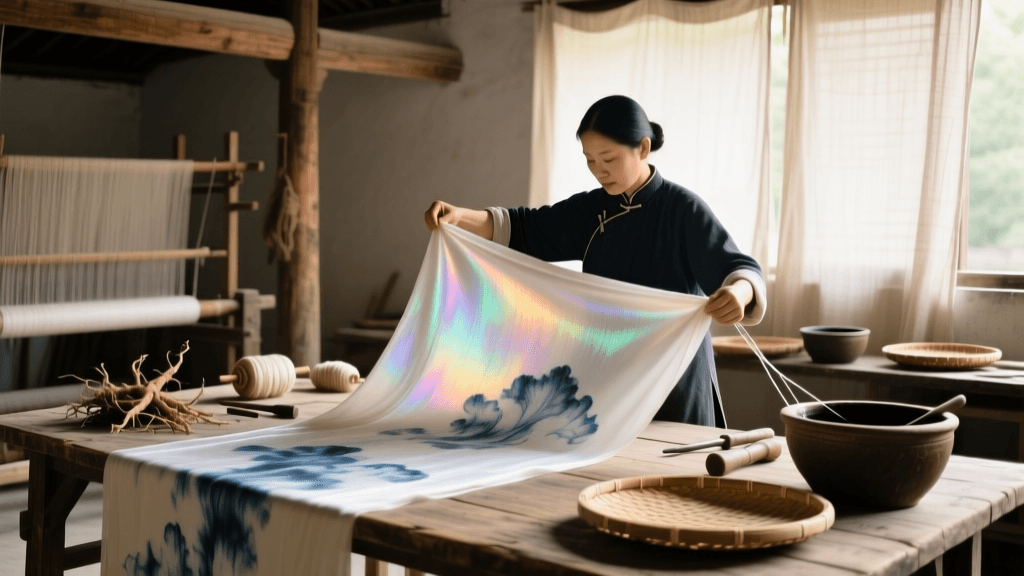
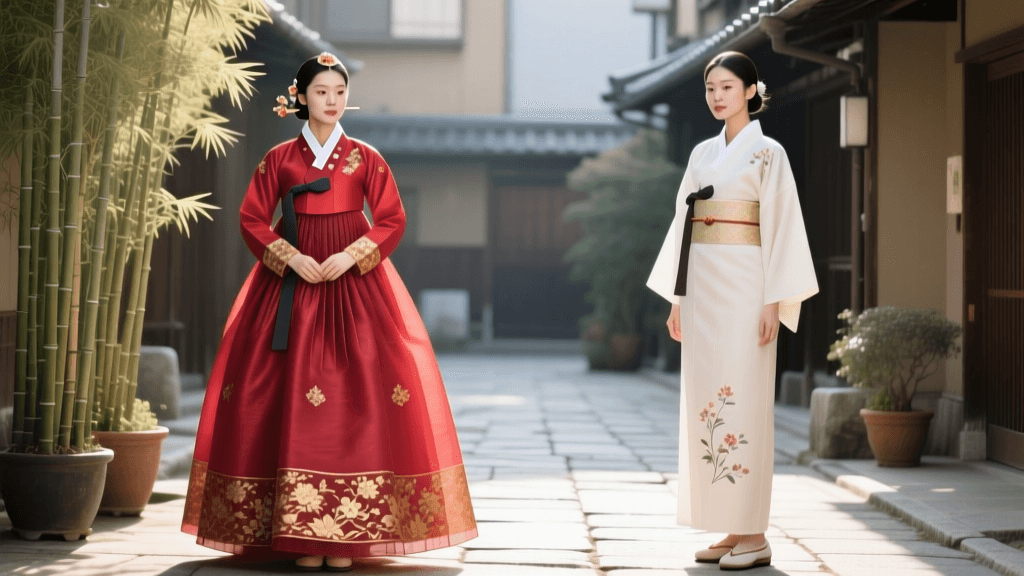
As we navigate the global fashion landscape of 2026, the intersection of heritage and modernity has never been more pronounced. Traditional Asian garments, particularly the Japanese kimono and the Korean hanbok, are experiencing a massive renaissance. However, a distinct dichotomy remains between the grand, highly structured ceremonial wear and the fluid, practical adaptations designed for everyday life. Understanding the structural, textile, and stylistic differences between these two categories is essential for collectors, cultural enthusiasts, and modern wearers alike. According to the Victoria and Albert Museum, the foundational T-shape and wrapping techniques of these garments have remained remarkably consistent for centuries, yet the 2026 iterations showcase unprecedented innovations in sustainable textiles and modular styling.
The Japanese Kimono: Grandeur vs. Practicality
Ceremonial Kimono: Furisode and Uchikake
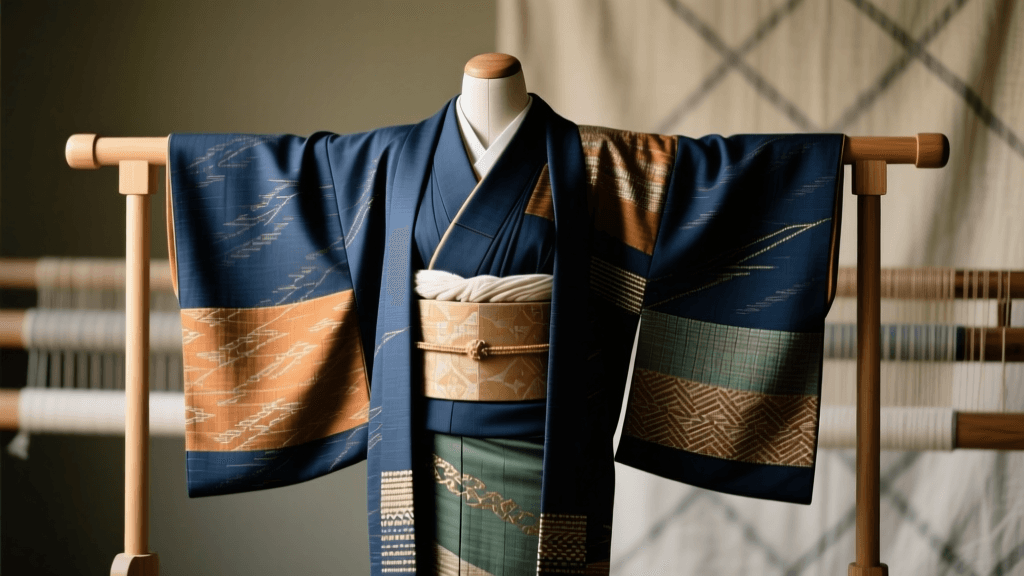
Ceremonial kimono are masterpieces of textile engineering, designed to project status, formality, and seasonal awareness. The Furisode, characterized by its dramatically long, swinging sleeves (often measuring up to 114 centimeters in length), is the ultimate formal wear for unmarried women, frequently seen at Coming of Age Day ceremonies and high-end tea ceremonies. For weddings, the Uchikake and Shiromuku take center stage. These garments are heavily padded, lined with luxurious silk crepe (chirimen), and feature elaborate yuzen dyeing or gold-leaf embroidery. In 2026, the ceremonial kimono market has seen a surge in demand for vintage, upcycled silk Uchikake, with brides seeking sustainable luxury. Dressing in a full ceremonial kimono requires a licensed kitsuke (kimono dressing) professional, taking anywhere from 45 to 90 minutes, as it involves multiple layers including the hadajuban, nagajuban, and a heavily structured maru obi tied in complex knots like the fukura-suzume.
Everyday Kimono: Yukata and Modern Komon
Conversely, the everyday kimono prioritizes mobility, breathability, and ease of care. The Yukata, originally a post-bath garment, is now the standard summer festival wear, crafted from lightweight, unlined cotton or modern hemp-blends. For year-round daily wear, the Komon (kimono with small, repeating patterns) remains a staple. However, the most significant shift in 2026 is the widespread adoption of the nibushiki (two-piece) kimono. This modern innovation separates the top and bottom halves of the garment, allowing wearers to slip it on in under five minutes without the need for complex folding and tucking. Everyday kimono in 2026 are frequently made from machine-washable polyester-silk blends or Tencel, catering to urban commuters who want to incorporate traditional silhouettes into their daily wardrobes without the burden of expensive dry cleaning.
The Korean Hanbok: Heritage Meets Daily Life
Ceremonial Hanbok: Wonsam and Hwalot
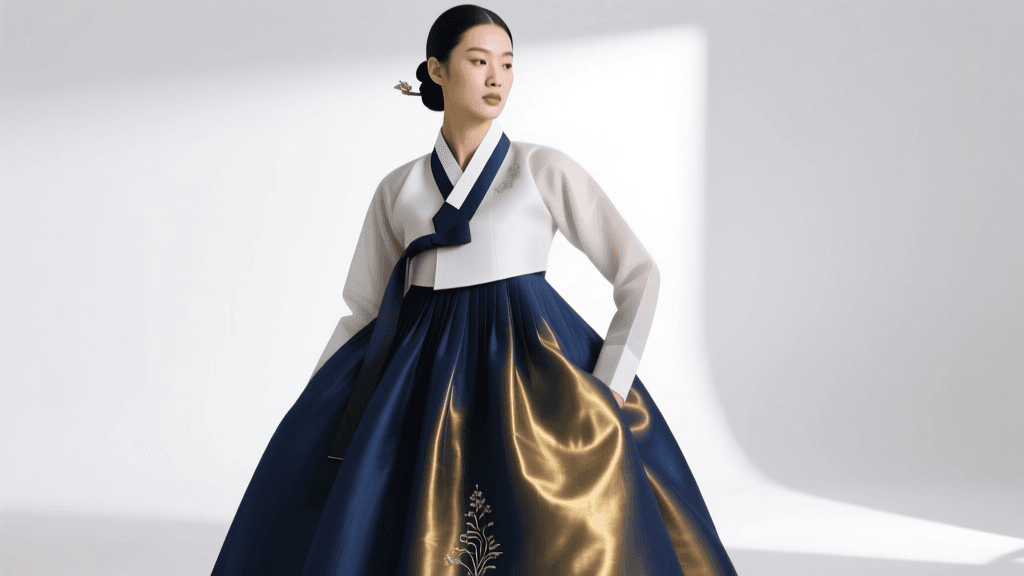
The ceremonial hanbok is defined by its volumetric silhouettes, vibrant color blocking, and intricate symbolism. The Wonsam, a formal court dress historically reserved for royalty and high-ranking officials, is now adapted for modern traditional weddings. It features wide, flowing sleeves and is often adorned with geumbak (gold leaf) stamping that spells out auspicious phrases. Another ceremonial staple is the Hwalot, the traditional bride's robe, heavily embroidered with peonies, butterflies, and white cranes to symbolize wealth, love, and longevity. As noted by Encyclopædia Britannica, the hanbok's basic structure relies on the harmony between the upper jeogori (jacket) and the lower chima (skirt) or baji (trousers). In ceremonial iterations, the chima is exceptionally full, requiring multiple layers of sokgot (undergarments) to achieve the iconic bell-like shape. The fabrics are typically heavy silk brocades or satins, which hold the structural integrity required for formal photography and prolonged ceremonial events.
Everyday Hanbok: Saenghwal and Modern Adaptations
The Saenghwal Hanbok (daily life hanbok) represents the 2026 approach to wearable heritage. Designers have drastically altered the proportions to suit modern lifestyles. The jeogori is lengthened slightly to provide more modesty and comfort, while the chima is shortened to ankle or calf-length to prevent tripping on subway stairs and city sidewalks. Everyday hanbok eschews heavy brocades in favor of crisp cottons, linens, and even lightweight denims. The traditional tying method of the goreum (ribbon) is often replaced or supplemented by hidden snap buttons or magnetic clasps for quick dressing. In 2026, it is incredibly common to see Seoul office workers pairing a modernized, minimalist hanbok top with a high-waisted A-line skirt, or integrating traditional silk baji into tailored, wide-leg trousers. This modular approach has democratized the hanbok, moving it from the closet into the daily rotation of contemporary fashion.
2026 Comparative Data: Ceremonial vs. Everyday
To fully grasp the practical differences between these garment categories, it is helpful to compare their logistical and financial requirements in the current market. The following table outlines the core distinctions for buyers and renters in 2026.
| Feature | Ceremonial Kimono | Everyday Kimono | Ceremonial Hanbok | Everyday Hanbok |
|---|---|---|---|---|
| Primary Fabric | Heavy Silk Crepe, Brocade | Cotton, Washable Poly-Silk | Silk Satin, Gold-leaf Brocade | Linen, Cotton, Lightweight Blends |
| Time to Dress | 45 - 90 Minutes | 5 - 15 Minutes | 30 - 60 Minutes | 5 - 10 Minutes |
| Avg. 2026 Rental Cost | ¥35,000 - ¥55,000 | ¥3,000 - ¥8,000 | ₩150,000 - ₩300,000 | ₩30,000 - ₩60,000 |
| Maintenance | Specialized Solvent Cleaning | Machine Washable / Spot Clean | Professional Dry Clean Only | Machine Wash / Gentle Hand Wash |
| Footwear Pairing | Zori with Tabi Socks | Geta or Modern Sandals | Hwa (Traditional Silk Boots) | Modern Flats, Loafers, Sneakers |
Sourcing, Styling, and the 2026 Rental Market
For those looking to acquire these garments, the 2026 market offers diverse avenues. In Japan, the rental market for ceremonial kimono remains highly structured, with packages often including professional dressing, hair styling, and studio photography. However, purchasing an everyday yukata or komon is highly accessible through major department stores and specialized online retailers that now offer AI-driven virtual fitting rooms to ensure precise sleeve and hem measurements. In South Korea, the everyday hanbok market is booming in independent boutiques in neighborhoods like Ikseon-dong and Seongsu-dong. Here, designers offer bespoke saenghwal hanbok tailored to the wearer's exact measurements, often utilizing deadstock fabrics to appeal to eco-conscious consumers.
Styling in 2026 encourages a blend of eras. It is increasingly popular to pair a vintage, ceremonial-grade obi belt with a simple, everyday cotton kimono to create a striking high-low contrast. Similarly, modern hanbok wearers often accessorize their daily chima and jeogori with contemporary leather handbags and minimalist gold jewelry, bridging the gap between Joseon-era aesthetics and 21st-century minimalism.
Garment Care and Maintenance
The divergence in care requirements between ceremonial and everyday garments is stark. Ceremonial silk kimono and heavily embroidered hanbok cannot be exposed to water without risking severe shrinkage, dye bleeding, or the destruction of metallic threads. In 2026, the industry standard for these precious garments is ozone-based dry cleaning, a technology that effectively removes odors and bacteria without the harsh chemicals of traditional perchloroethylene, thereby preserving the integrity of antique silks.
Everyday garments, however, are designed for the realities of modern life. Most 2026 everyday hanbok and washable kimono can be laundered at home using specialized, pH-neutral amino-acid detergents formulated specifically for delicate natural fibers. When washing a cotton yukata or linen hanbok, it is crucial to use a mesh laundry bag, select a cold-water delicate cycle, and air-dry the garment flat or on a wide, padded hanger to maintain the structural lines of the seams. Proper storage is also essential; while ceremonial garments are stored flat in specialized paulownia wood boxes (tansu) with anti-humidification charcoal, everyday garments can be safely hung in a breathable cotton garment bag in a standard closet.
Conclusion
The landscape of Asian traditional garments in 2026 is a testament to the resilience and adaptability of cultural heritage. While the ceremonial kimono and hanbok continue to serve as vital, breathtaking anchors for life's most significant milestones, their everyday counterparts have successfully evolved to meet the demands of modern urban life. By understanding the distinct fabrics, construction methods, and care routines associated with both categories, wearers can confidently embrace these beautiful traditions, whether they are walking down the aisle or navigating the morning commute.