Kunqu Opera Hanfu 2026: Theatrical Embroidery & Styling Guide
The Convergence of Stage and Street in 2026
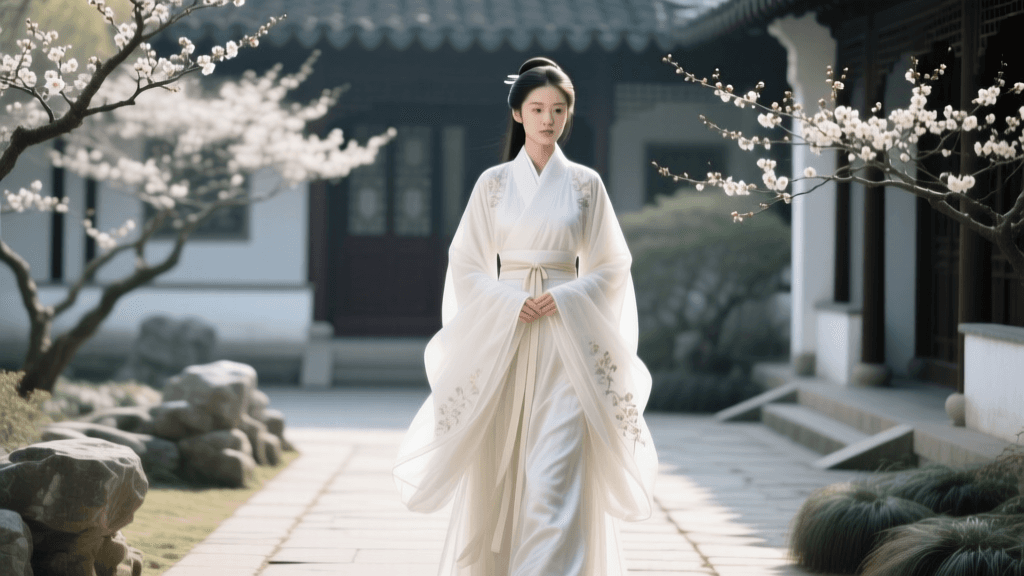
In the evolving landscape of traditional Chinese clothing, the year 2026 marks a fascinating milestone: the seamless blending of theatrical costuming with everyday historical dress. While purists have long maintained a strict boundary between historical Hanfu (the traditional clothing of the Han Chinese) and Xifu (the highly stylized, exaggerated costumes of Peking Opera and Kunqu), contemporary designers and enthusiasts are actively bridging this gap. Today, the dramatic flair, intricate Su embroidery, and flowing silhouettes of Kunqu Opera are profoundly influencing the modern Hanfu revival.
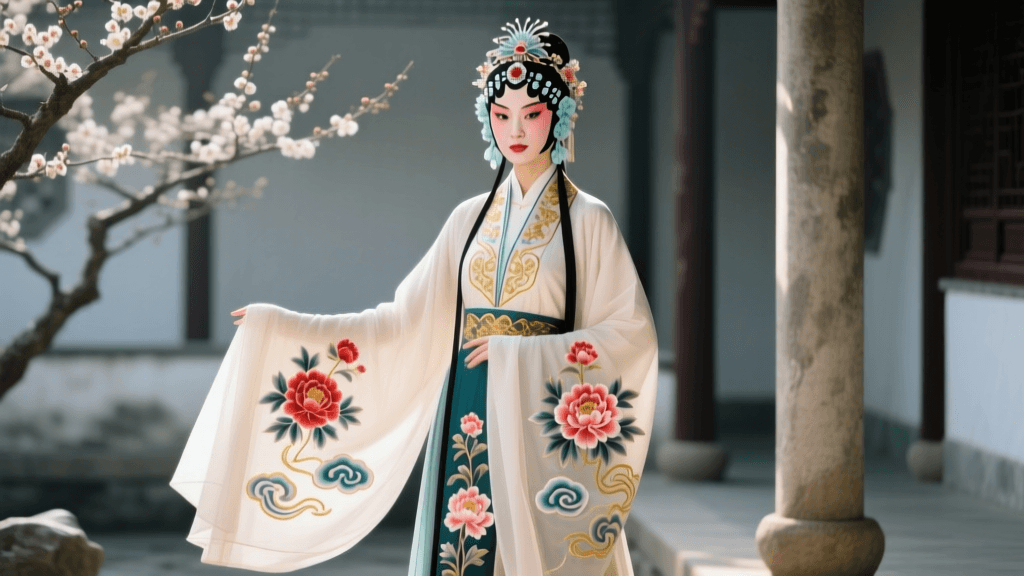
Kunqu, often referred to as the 'ancestor of a hundred operas,' is celebrated for its elegant, refined aesthetics that heavily draw upon Ming Dynasty garment structures. According to UNESCO's Intangible Cultural Heritage registry, Kunqu's unique combination of poetry, music, and visual splendor has cemented its status as a pinnacle of Asian performing arts. In 2026, Hanfu artisans are translating this stage-bound visual poetry into wearable, ceremonial, and even semi-formal street garments, creating a vibrant sub-genre known as 'Theatrical Hanfu.'
Key Kunqu Elements in Modern Hanfu Design
The transition from the stage to the street requires careful adaptation. Theatrical costumes are designed to be read from the back row of a grand theater, meaning their colors are saturated, and their silhouettes are exaggerated. Modern Hanfu makers in 2026 have mastered the art of scaling these elements down for real-world elegance without losing their dramatic essence.
The Theatrical Mamianqun (Horse-Face Skirt)
The Mamianqun remains the cornerstone of the Ming-style Hanfu wardrobe. However, the 2026 'Kunqu-inspired' Mamianqun features distinct theatrical adaptations. Instead of standard woven jacquard patterns, these skirts feature wide, heavily embroidered front panels (matian) depicting classic Kunqu motifs: blooming peonies, leaping carps, and soaring phoenixes. The pleats are often heat-set using modern 2026 textile memory technologies to ensure they remain razor-sharp even when dancing or moving briskly, mimicking the flawless drape of a stage performer.
Pifeng (Capes) and Elongated Sleeves
The Pifeng, a traditional outer coat, has been reimagined with subtle nods to the theatrical 'Shui Xiu' (water sleeves). While full-length water sleeves are impractical for daily wear, 2026 designs feature elongated, tapered cuffs that extend just past the knuckles. When the wearer moves their arms, the silk crepe catches the air, creating the fluid, water-like motion characteristic of Kunqu performers. Furthermore, the collars of these Pifeng often incorporate the 'Yunjian' (cloud shoulder) motif, heavily padded and embroidered to frame the face exactly as it does under stage lighting.
Decoding Theatrical Su Embroidery for Hanfu
The most defining feature of Kunqu-inspired Hanfu is the embroidery. Traditional stage Xifu utilizes a technique called 'Panjin' (coiled gold), where metallic threads are couched onto the fabric to create raised, luminous patterns. Historically, these metal threads were heavy, prone to tarnishing, and incredibly stiff.
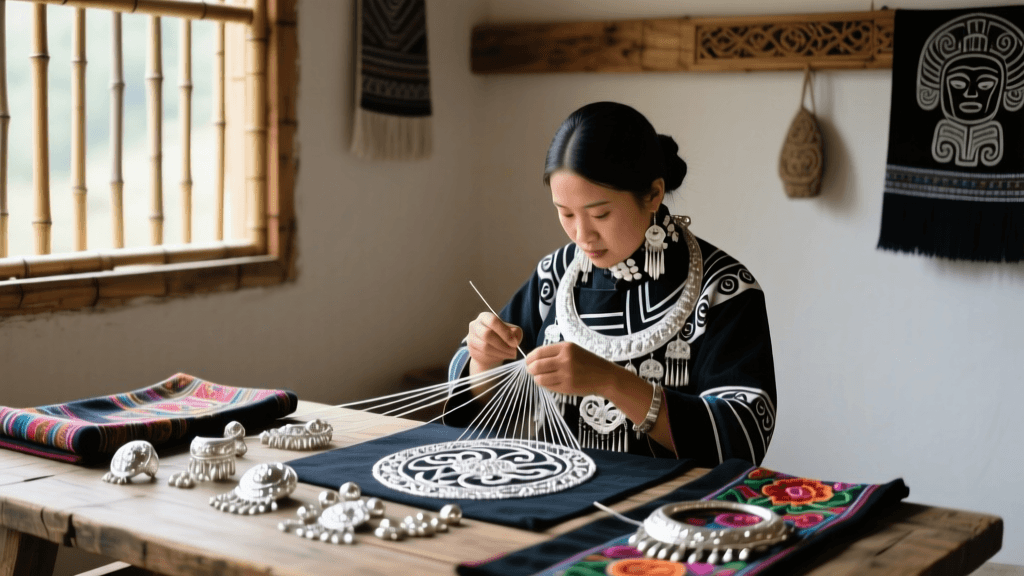
In 2026, Suzhou-based embroidery ateliers have revolutionized this technique for the Hanfu market. Artisans now use nano-coated synthetic gold and silver threads that are a fraction of the weight but retain the brilliant luster of traditional stage costumes. These threads are tarnish-proof and flexible, allowing the garment to drape naturally over the body. The density of the embroidery is also strategically mapped; instead of covering the entire garment (which is standard for stage visibility), modern designs concentrate the heavy Su embroidery on the cuffs, collar, and skirt panels, leaving the main body of the garment in luxurious, breathable mulberry silk.
Sourcing and Commissioning Kunqu-Inspired Hanfu in 2026
If you are looking to add a piece of theatrical Hanfu to your collection, understanding the current market landscape is crucial. The demand for high-end, performance-inspired Hanfu has surged, leading to specialized ateliers in Suzhou and Hangzhou.
- Bespoke Commissioning: For a fully customized Kunqu-style Pifeng and Mamianqun set, expect to pay between 8,500 RMB and 15,000 RMB ($1,200 to $2,100 USD) in 2026. The turnaround time is typically 3 to 5 months, as the Panjin embroidery is done entirely by hand.
- Ready-to-Wear Collections: Major Hanfu brands have introduced 'Stage-to-Street' capsule collections. These machine-embroidered replicas capture the aesthetic at a fraction of the cost, usually priced between 1,200 RMB and 2,500 RMB ($170 to $350 USD).
- Fabric Selection: When commissioning, opt for 'Xiangyunsha' (gambiered Canton gauze) or heavy silk crepe. These fabrics provide the necessary weight to support dense embroidery without tearing, a critical factor when adapting stage techniques for historical garment cuts.
Care and Maintenance for Heavy Embroidery
Theatrical Hanfu requires meticulous care. The juxtaposition of delicate silk bases and dense, metallic embroidery creates structural vulnerabilities if handled incorrectly.
- Never Fold the Embroidery: Folding causes the metallic threads to snap and the silk base to crease permanently. Always store your Kunqu-inspired Mamianqun rolled around an acid-free cardboard tube, with the embroidered panels facing outward.
- Spot Cleaning Only: Do not submerge Panjin embroidery in water. The couching threads (the tiny silk stitches holding the gold thread in place) can shrink or bleed. Use a specialized dry-cleaning foam designed for antique textiles on the embroidered areas.
- Climate Control: Store the garments in a climate-controlled environment with a humidity level between 45% and 55%. High humidity can cause the metallic threads to oxidize, even with modern nano-coatings.
Comparison Chart: Stage Xifu vs. 2026 Hanfu Adaptations
To truly appreciate the engineering behind modern theatrical Hanfu, it is helpful to compare it directly with traditional stage costumes. The following table outlines the key differences in construction and wearability.
| Feature | Traditional Kunqu Stage Xifu | 2026 Kunqu-Inspired Hanfu |
|---|---|---|
| Primary Purpose | Theatrical performance, character identification | Ceremonial wear, cultural events, high-end street fashion |
| Base Fabric | Heavy satin, stiff cotton linings, synthetic blends | 100% Mulberry silk crepe, Xiangyunsha, breathable linings |
| Embroidery Thread | Real metal-wrapped silk (prone to tarnish), heavy | Nano-coated synthetic metallics, lightweight, tarnish-proof |
| Silhouette | Exaggerated, padded shoulders, extreme sleeve lengths | Natural drape, historically accurate Ming cuts, tapered cuffs |
| Weight | 5 to 12 kg (Restrictive) | 0.8 to 2.5 kg (Comfortable for all-day wear) |
| Average Cost (2026) | 15,000 - 50,000 RMB (Professional Grade) | 1,200 - 15,000 RMB (Depending on hand vs. machine work) |
Styling for Performances and Ceremonial Events
Wearing Kunqu-inspired Hanfu requires a thoughtful approach to styling to ensure the garment remains the focal point. Because the embroidery is inherently loud and visually complex, the rest of your ensemble must exercise restraint.
For a 2026 Spring Festival or traditional wedding ceremony, pair a heavily embroidered theatrical Mamianqun with a solid-colored, unembroidered silk Ao (jacket). This contrast allows the skirt's intricate peony and phoenix motifs to command attention. When it comes to accessories, avoid overly ornate hairpins. Instead, opt for minimalist jade or pearl hair clasps that complement the elegance of Kunqu aesthetics without competing with the garment's gold threading.
Footwear is equally important. Traditional stage boots are thick-soled and cumbersome. Modern enthusiasts pair these garments with embroidered cloth shoes featuring a slight, hidden wedge, or minimalist leather Mary Janes in deep red or black, grounding the theatricality in contemporary elegance.
Conclusion
The integration of Kunqu Opera aesthetics into the Hanfu movement represents a beautiful evolution in how we interact with Asian traditions. By studying the historical foundations of Ming Dynasty clothing—as extensively documented in resources like the Metropolitan Museum of Art's Ming Dynasty textile archives—and combining them with the performative brilliance of the stage, 2026's designers have created a wardrobe that is both historically respectful and breathtakingly dramatic. Whether you are a collector, a performer, or a cultural enthusiast, investing in Kunqu-inspired Hanfu is a profound way to wear the living, breathing art of Chinese theater.