Japanese Kimono Life Stages 2026: Age Milestones & Styles
The Living Calendar: Kimono as a Marker of Time
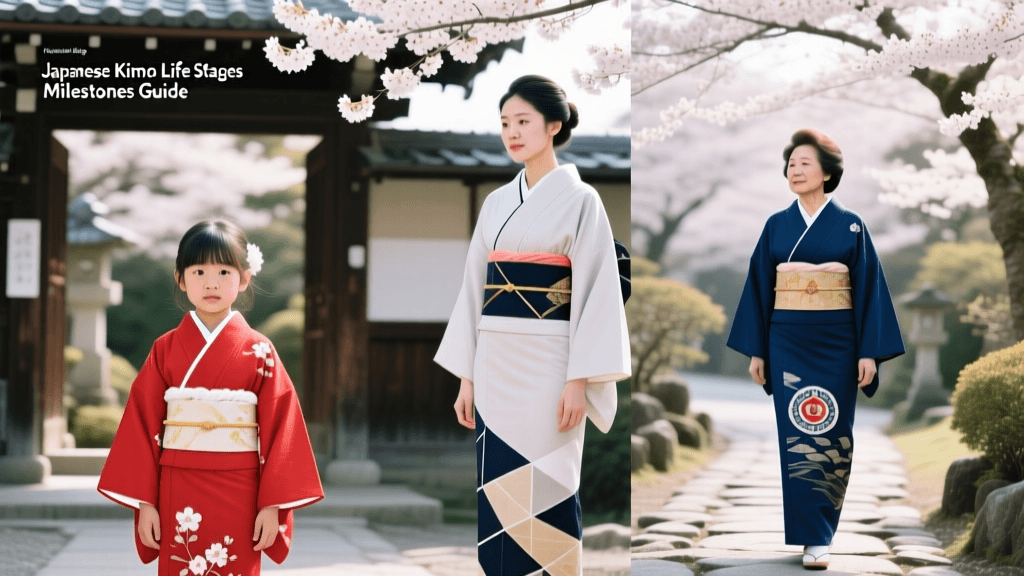
In Japanese culture, the kimono is far more than a traditional garment; it is a living calendar that visually narrates the wearer’s journey through life. As we navigate the fashion and cultural landscape of 2026, the kimono remains a vital symbol of identity, with specific styles, sleeve lengths, and motifs strictly tied to age, marital status, and life milestones. While modern fashion continues to globalize, the meticulous rules governing Japanese traditional dress have not only survived but have adapted to contemporary values, blending centuries-old aesthetics with modern sustainable practices.
Understanding the evolution of the kimono across different life stages offers a profound glimpse into Japanese societal structures. From the vibrant, protective garments of early childhood to the subdued, elegant silks of elder years, every fold and pattern carries deep semantic weight. According to The Metropolitan Museum of Art, the kimono's T-shaped structure serves as a canvas for cultural expression, where the decoration and formality are inextricably linked to the wearer's social standing and age.
Childhood Milestones: Shichi-Go-San (Ages 3, 5, and 7)
The first major sartorial milestone in a Japanese child’s life is Shichi-Go-San (Seven-Five-Three), a traditional rite of passage celebrated annually in November. This festival honors the growth and well-being of children at the ages of three, five, and seven. In 2026, families across Tokyo, Kyoto, and regional hubs continue to dress their children in specialized, age-appropriate traditional wear.
For three-year-old girls, the outfit typically consists of a bright, patterned kimono worn with a hifu—a padded, sleeveless vest that makes the obi (sash) more comfortable for a toddler. Five-year-old boys wear their first hakama (pleated trousers) over a kimono, often featuring auspicious motifs like hawks or samurai helmets to symbolize strength and bravery. Seven-year-old girls transition into a more formal kimono that mimics adult styles, complete with a traditional obi, though tied in a simpler, child-friendly knot.
The motifs chosen for these garments are deeply symbolic. Cranes and turtles represent longevity, while pine, bamboo, and plum (the shochikubai trio) signify resilience and vitality. In 2026, there has been a notable surge in the rental market for eco-friendly, high-grade synthetic silks for children's Shichi-Go-San attire. These modern textiles offer the brilliant sheen of traditional Nishijin-ori but are stain-resistant and machine-washable, catering to the practical needs of modern parents while preserving the visual integrity of the tradition.
Youth and the Furisode: The 20-Year-Old Milestone
The most visually striking milestone in Japanese traditional dress is the Coming of Age ceremony, historically known as Seijin no Hi. Following the civil code revisions of the early 2020s that lowered the legal age of adulthood to 18, the cultural landscape in 2026 has largely preserved the celebration at age 20. Municipalities and families now frequently refer to the event as the "Twenty-Year-Old Gathering" (Hatachi no Tsudoi), aligning the celebration with university winter breaks and the traditional peak of youth.
For young women, this milestone is defined by the furisode, a kimono characterized by its dramatically long, swinging sleeves. The length of the sleeves historically signaled that the wearer was young and unmarried, acting as a visual cue for potential suitors. Today, it remains the undisputed pinnacle of formal dress for unmarried women. Furisode are categorized by sleeve length: o-furisode (over 114 cm), chu-furisode (around 100 cm), and ko-furisode (around 85 cm).
The 2026 furisode market is a vibrant intersection of heritage and modern artistry. While classic Yuzen dyeing techniques featuring cascading florals and flowing water motifs remain highly sought after, contemporary designers are introducing bold, asymmetric patterns and jewel-toned palettes. Rental packages for a full furisode ensemble in 2026—including the kimono, obi, zori sandals, and professional dressing services—typically range from ¥60,000 to ¥150,000 ($400 to $1,000 USD). Furthermore, the use of 3D-printed kanzashi (hair ornaments) and sustainably sourced silk alternatives has become a prominent trend among environmentally conscious twenty-year-olds.
Marriage and Adulthood: The Shift to Tomesode
Marriage marks the most significant sartorial transition in a Japanese woman’s life, symbolized by the literal and figurative "shortening of the sleeves." Upon marriage, a woman transitions from wearing the long-sleeved furisode to the tomesode, which features shorter, standard-length sleeves. This transition signifies a shift from the fleeting, vibrant youth to the grounded, dignified role of a married adult.
The most formal of these is the kurotomesode (black tomesode), worn exclusively by married women. It features a black background with elaborate, continuous patterns (e-ba) that flow across the lower half of the garment and the hem. The kurotomesode is the standard attire for the mother of the bride or groom at a wedding. In contrast, unmarried female relatives or close friends of the bride may wear an irotomesode (colored tomesode), which offers a slightly less formal but equally elegant alternative.
For the bride herself, the traditional wedding ensemble remains a breathtaking display of textile artistry. The shiromuku (pure white kimono) symbolizes purity and the bride's willingness to be "dyed" in the colors of her new family. This is often followed by an iro-uchikake, a heavily padded, vibrant over-robe featuring opulent gold and silver thread work depicting cranes, peonies, and imperial carriages. In 2026, many brides are opting for custom-dyed uchikake that incorporate subtle, personal motifs—such as the flora of their hometowns or subtle geometric patterns that reflect modern minimalist aesthetics.
Mature Elegance: Middle Age and Beyond
As Japanese women enter their middle and elder years, the kimono palette shifts toward understated elegance, prioritizing refined textiles and subtle patterns over bold, youthful colors. The focus moves to the quality of the weave, the subtlety of the dye, and the mastery of the obi tying technique.
The iromuji is a staple for mature women. It is a solid-colored kimono (excluding black) that can be worn for tea ceremonies or semi-formal gatherings. When adorned with a single family crest (kamon), it elevates to a highly formal status. Another favored style for older women is the Edo Komon, a kimono dyed with microscopic, repeating geometric patterns that appear solid from a distance but reveal incredible complexity upon close inspection. As noted by the Victoria and Albert Museum, the subtlety of Edo Komon reflects the refined, understated aesthetic values of mature adulthood, where overt display is replaced by quiet sophistication.
For elder men, formal occasions call for a dark, crested kimono paired with a striped hakama and a haori (jacket). The colors are typically restricted to deep navies, charcoal grays, and blacks, emphasizing dignity and respect for the occasion.
2026 Kimono Life Stages Comparison Chart
To visualize the strict rules governing traditional Japanese dress, the following table outlines the primary kimono types associated with specific life stages and milestones in 2026.
| Life Stage / Age | Primary Kimono Type | Sleeve Length & Features | Key Motifs & Colors |
|---|---|---|---|
| Childhood (Ages 3, 5, 7) | Hifu / Hakama Set | Short sleeves; padded vests for toddlers | Bright reds, pinks; cranes, turtles, samurai helmets |
| Youth (Age 20) | Furisode | Very long sleeves (85cm - 114cm+) | Vibrant florals, flowing water, gold leaf accents |
| Marriage (Bride) | Shiromuku / Uchikake | Standard sleeves; heavy padded over-robe | Pure white; or crimson/gold with cranes and peonies |
| Married Adult (Formal) | Kurotomesode | Short sleeves; black background | Black base; hem patterns of pine, bamboo, plum |
| Mature / Elder (Semi-Formal) | Iromuji / Edo Komon | Short sleeves; solid or micro-patterned | Muted pastels, deep navies, charcoal; subtle crests |
The 2026 Market: Rentals, Sustainability, and Modern Styling
The kimono industry in 2026 is characterized by a delicate balance between preserving intangible cultural heritage and adapting to modern economic and environmental realities. The outright purchase of high-end, hand-woven silk kimono remains a significant investment, often costing upwards of ¥500,000 ($3,300 USD) for a single formal garment. Consequently, the rental market has become the primary avenue for most Japanese citizens to participate in these life-stage traditions.
Sustainability has also become a major driving force in the 2026 textile market. Artisans and manufacturers are increasingly utilizing lab-grown spider silk and advanced vegan cellulose fibers that replicate the drape, breathability, and luster of traditional mulberry silk. These innovations allow younger generations to engage with their cultural milestones without compromising their ethical commitments. Furthermore, digital styling apps and AI-driven virtual fitting rooms have revolutionized the rental experience, allowing users to visualize how different obi colors and obijime (decorative cords) will look with their chosen kimono before stepping into the dressing salon.
According to Encyclopedia Britannica, the kimono's enduring legacy lies in its ability to act as a cultural anchor. Even as the daily wearing of traditional garments has faded, its role in marking the critical thresholds of human life—birth, coming of age, marriage, and maturity—ensures its survival. In 2026, the kimono is not a relic of the past, but a dynamic, evolving garment that continues to dress the Japanese spirit for the future.
Conclusion
The journey through life in Japan is beautifully punctuated by the changing silhouettes of the kimono. From the protective, vibrant hues of a child's Shichi-Go-San attire to the sweeping, elegant sleeves of a twenty-year-old's furisode, and finally to the dignified, subtle weaves of elder years, the garment serves as a silent but eloquent biographer. As we observe the traditions of 2026, it is clear that while the materials and markets may evolve, the profound respect for the milestones of human life remains intricately woven into every thread of the Japanese kimono.