Hanfu Travel Wardrobe 2026: Essential Packing Guide
The Rise of the Hanfu Travel Wardrobe in 2026
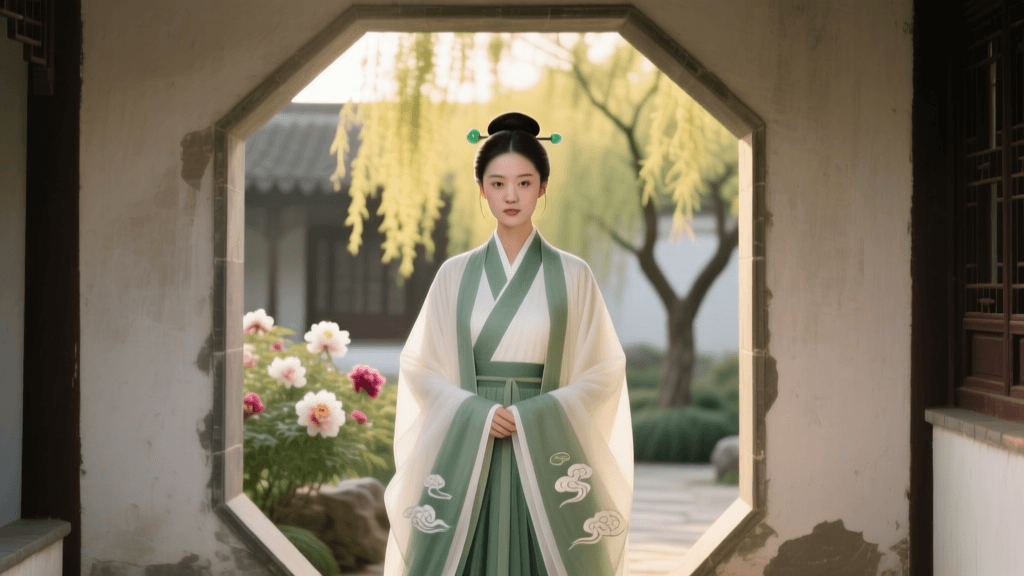
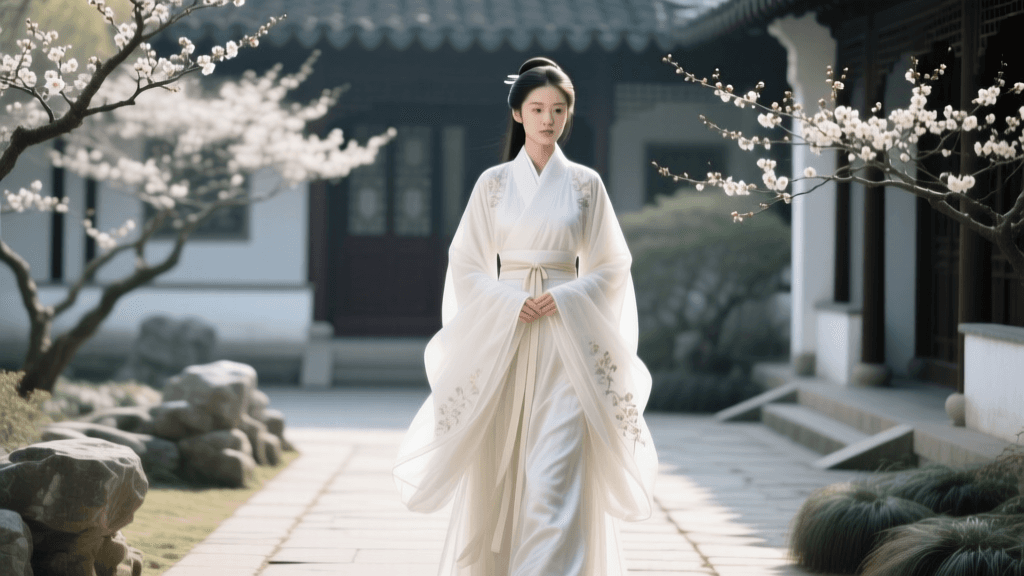
As global cultural tourism experiences a massive renaissance in 2026, the traditional Chinese garment known as Hanfu has transcended local festivals to become a staple of international travel wardrobes. From the ancient city walls of Xi'an to the serene bamboo groves of Kyoto and the historic gardens of Suzhou, travelers are increasingly curating destination-specific Hanfu wardrobes to immerse themselves in Asian heritage. However, traveling with multi-layered, historically inspired garments presents unique logistical challenges. Delicate silks, intricate embroidery, and voluminous skirts require meticulous planning to ensure they arrive at your destination in pristine condition. This comprehensive 2026 guide will walk you through selecting travel-friendly fabrics, building a destination-aware wardrobe, and mastering the art of packing Hanfu without sacrificing authenticity or convenience.
Selecting Travel-Friendly Hanfu Fabrics
The cornerstone of any successful travel wardrobe is fabric selection. While pure mulberry silk remains the gold standard for ceremonial Hanfu, it is notoriously difficult to maintain on the road. In 2026, the market has seen a surge in high-quality, wrinkle-resistant textile blends specifically engineered for the traveling Hanfu enthusiast. When building your destination wardrobe, prioritize the following materials:
- Tencel-Silk Blends: Offering the lustrous drape of traditional silk with the durability and wrinkle-resistance of Tencel, these blends are ideal for long-haul flights and train journeys.
- Crushed Organza: Unlike smooth organza, the crushed variety hides creases beautifully and adds a lightweight, ethereal volume to outer layers like the pibo (shawl) without adding weight to your luggage.
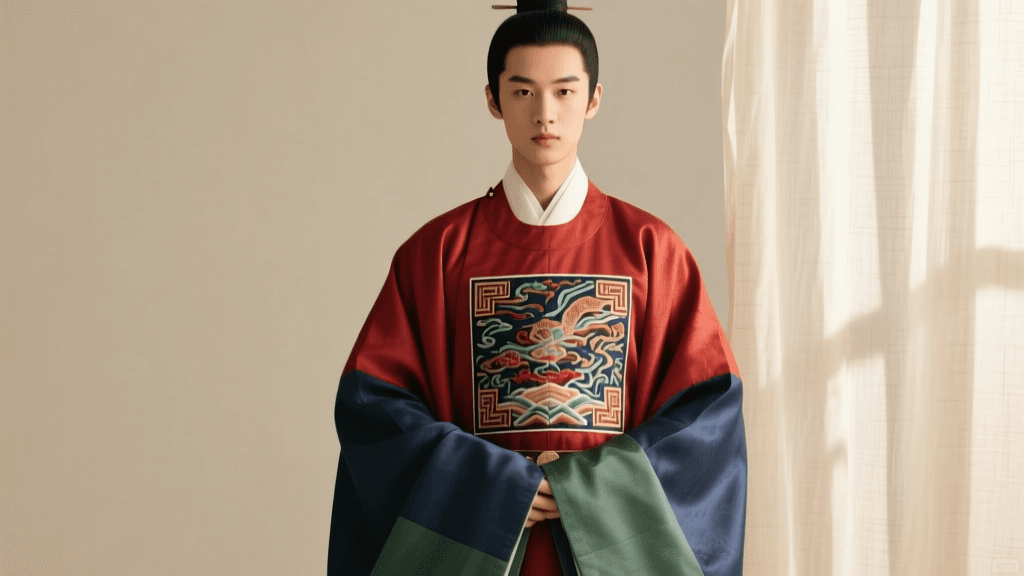
- Jacquard Cotton-Linen: Perfect for Ming-style Aoqun (jacket and skirt sets), modern jacquard weaves utilizing cotton-linen threads provide historical texture while being machine-washable and highly breathable.
- Memory-Shaped Polyester: High-end 2026 iterations of pleated Mamianqun (horse-face skirts) utilize advanced memory-shaping fibers that retain their sharp pleats even after being tightly rolled in a suitcase.
Destination-Specific Hanfu Styling
A well-curated travel wardrobe must account for the local climate, terrain, and cultural backdrop of your destination. Wearing a heavy, multi-layered winter Hanfu through the humid streets of a subtropical heritage site will quickly lead to discomfort. Below is a strategic breakdown of recommended styles for top 2026 cultural travel destinations.
| Destination | 2026 Climate Profile | Recommended Hanfu Style | Travel Footwear |
|---|---|---|---|
| Xi'an, China | Arid days, mild evenings | Tang-style Qixiong Ruqun (chest-high skirt) | Flat embroidered cloth boots |
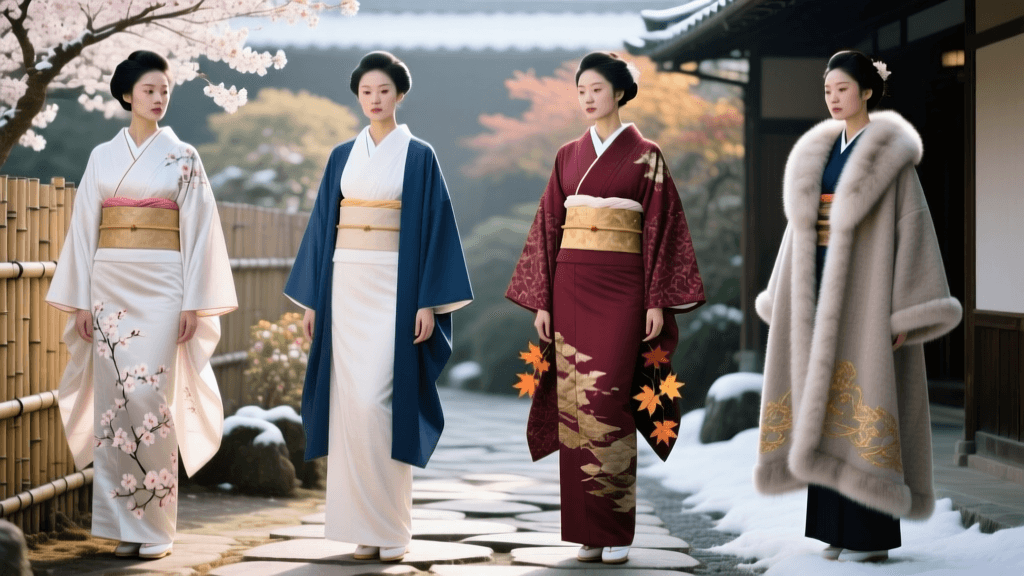
| Kyoto, Japan | Humid, warm summers | Song-style Beizi (open jacket) & Pleated Skirt | Breathable woven sandals |
| Suzhou, China | Rainy, moderate temps | Ming-style Aoqun with water-resistant hem | Wooden clogs with modern grip soles |
| Luoyang, China | Dry, breezy springs | Wei-Jin style wide-sleeved Ruqun | Leather ankle boots with hidden wedges |
When visiting international heritage sites, it is crucial to balance aesthetic immersion with respect for local customs. According to the UNESCO World Heritage Sustainable Tourism Programme, cultural appreciation through traditional dress is highly encouraged, provided it aligns with the site's preservation guidelines and modesty norms. Always ensure your hemlines are manageable for uneven ancient stone paths and that your accessories do not pose a risk to fragile artifacts.
The Ultimate Hanfu Packing Checklist
Packing Hanfu requires more than just folding garments into a suitcase. You must account for the structural undergarments that give the clothing its historical silhouette, as well as the delicate accessories that complete the look. Use this essential checklist to ensure nothing is left behind:
Garments and Undergarments
- Zhongyi (Base Layers): Pack at least two sets of white or neutral cotton zhongyi (inner garments). These protect your outer Hanfu from sweat and body oils, reducing the need for frequent washing.
- Moxiong (Tube Tops): Essential for Tang and Song styles; opt for modern versions with silicone grip strips to prevent slipping during active travel days.
- Main Outerwear: 2-3 complete sets of Hanfu, mixed between casual daily wear and one formal set for evening photography or dining.
Accessories and Structural Elements
- Belts and Sashes: Pack woven sashes and leather belts in a dedicated tubular case to prevent creasing.
- Hairpieces and Pins: Use a hard-shell jewelry organizer for metal hairpins, jade ornaments, and silk ribbons to prevent them from bending or tangling.
- False Hairpieces: If utilizing traditional updos, bring a travel-sized wig stand to maintain the shape of your hair extensions.
On-the-Go Maintenance Kit
- Portable Steamer: A dual-voltage, handheld garment steamer is non-negotiable for removing travel wrinkles from silk and Tencel blends.
- Eco-Friendly Stain Remover: A travel-sized, enzyme-based stain pen for treating food or makeup spills immediately.
- Silk Storage Bags: Breathable drawstring bags to separate clean garments from worn ones in your luggage.
Wrinkle-Free Packing Techniques for Delicate Layers
The traditional folding method is the enemy of Hanfu, particularly for garments with intricate embroidery or sharp pleats. In 2026, professional stylists recommend the 'Core and Roll' technique, adapted from military and expedition packing, to minimize creases and maximize suitcase space.
- Prepare the Surface: Lay the garment flat on a clean bed. Place a sheet of acid-free tissue paper over any heavily embroidered areas to prevent the threads from catching or snagging.
- The Core: Place a soft, cylindrical item (like a rolled-up cotton t-shirt or a specialized packing tube) at the top edge of the garment.
- Roll, Don't Fold: Gently roll the garment around the core from top to bottom. The tissue paper will act as a buffer, ensuring that no hard creases form between the layers of fabric.
- Secure the Pleats: For Mamianqun (horse-face skirts), use specialized pleat clips or smooth binder clips padded with felt to hold the pleats in place before rolling the skirt from the waistband down to the hem.
- Compartmentalize: Place rolled garments into compression packing cubes. Do not over-compress, as excessive pressure will force wrinkles into the memory fibers of the fabric.
Garment Care and Maintenance on the Road
Maintaining Hanfu in a hotel room requires a gentle touch and an understanding of historical textiles. The Victoria and Albert Museum's textile conservation guidelines emphasize that improper washing and drying are the leading causes of textile degradation. When traveling, avoid using harsh hotel laundry services, which often utilize high-heat tumble dryers and strong chemical bleaches.
Instead, rely on spot-cleaning for minor blemishes. If a full wash is necessary for your cotton-linen undergarments or Tencel blends, use a pH-neutral detergent in a cool sink bath. Never wring or twist the fabric; instead, press the water out by rolling the garment in a clean, dry microfiber towel. Hang the garment to dry in a shaded, well-ventilated area of your hotel room. Direct sunlight can rapidly fade the natural dyes and vibrant synthetic colors used in modern Hanfu production.
For steaming, always use a protective cloth between the steamer head and the fabric to prevent water spots, especially on dark-colored silks. The Metropolitan Museum of Art's Textile Conservation department notes that sudden temperature and humidity shocks can weaken natural fibers, so allow your steamed garments to cool and dry completely before wearing or repacking them.
Embracing Sustainable Cultural Tourism
As the Hanfu movement continues to globalize in 2026, travelers have a unique opportunity to act as cultural ambassadors. Building a sustainable travel wardrobe means investing in high-quality, ethically produced garments that support traditional artisans and eco-friendly dyeing methods. By choosing versatile pieces that can be mixed, matched, and worn across multiple destinations, you reduce the carbon footprint associated with fast-fashion costume rentals. Whether you are capturing the sunrise at a Tang-dynasty pagoda or attending a traditional tea ceremony in a historic garden, a thoughtfully packed Hanfu wardrobe ensures you travel with elegance, respect, and an unwavering connection to Asian heritage.