Ceremonial vs Everyday Korean Hanbok: 2026 Buyer Guide
The Enduring Duality of the Hanbok in 2026
The Korean hanbok is a masterclass in sartorial elegance, characterized by its vibrant colors, flowing lines, and deep cultural symbolism. However, as we navigate the fashion landscape of 2026, the hanbok is no longer a monolith. It has distinctly bifurcated into two primary categories: the highly structured, opulent ceremonial hanbok and the relaxed, pragmatic everyday hanbok (often referred to as gaeryang hanbok or modernized hanbok). Understanding the nuances between these two styles is essential for anyone looking to invest in traditional Korean garments, whether for a once-in-a-lifetime celebration or daily streetwear integration.
This comprehensive guide breaks down the fabrics, construction techniques, pricing, and styling rules that define ceremonial versus everyday hanbok in 2026, ensuring you make informed decisions for your traditional wardrobe.
Ceremonial Hanbok: Heritage, Silk, and Structural Mastery
Ceremonial hanbok is reserved for significant life events and traditional holidays such as Chuseok, Seollal, and weddings. This category includes the lavish Hwalot (bridal robes), the Dolbok (first birthday attire), and the formal Myeongjeol wear. The primary objective of ceremonial hanbok is to project status, honor heritage, and adhere to strict historical silhouettes.
The Architecture of Celebration
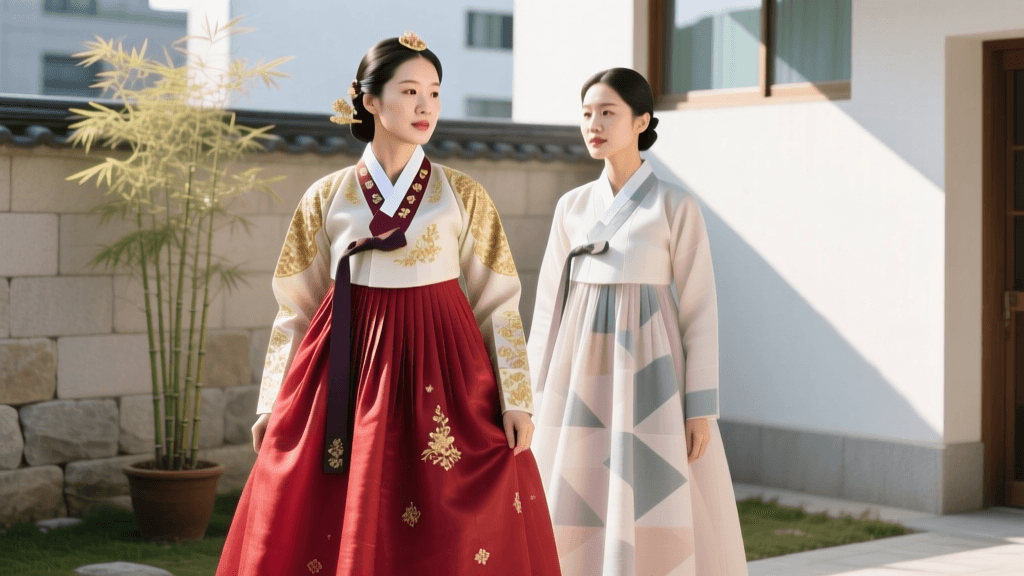
The silhouette of a ceremonial hanbok relies heavily on volume and structural undergarments. The chima (skirt) is exceptionally wide, often requiring a sokchima (petticoat) or structured bum pads to achieve the iconic bell shape. The jeogori (jacket) is traditionally cropped, ending just below the bust, with elongated, curved sleeves known as baerae. The collar (git) is crisp, and the chest tie (goreum) is long, wide, and meticulously knotted.
Color theory plays a massive role in ceremonial wear. According to the National Folk Museum of Korea, the traditional use of Obangsaek—the five cardinal colors (blue, red, yellow, white, and black)—remains a vital element in ceremonial garments, symbolizing cosmic balance and warding off evil spirits. In 2026, while pastel and jewel tones have gained popularity for modern weddings, the strict adherence to high-contrast color blocking remains a hallmark of authentic festival and holiday wear.
2026 Ceremonial Market and Pricing
Because ceremonial hanbok demands high-quality natural fibers and extensive hand-stitching, it represents a significant financial investment. In 2026, the market for artisanal, custom-fitted ceremonial silk hanbok ranges from $600 to over $2,500. Mass-produced polyester blends for single-use rentals or budget-friendly holiday wear can be found between $150 and $300, but purists and cultural preservationists heavily advocate for investing in natural silk brocades and ramie for heirloom-quality pieces.
Everyday Hanbok (Gaeryang Hanbok): The Modern Wardrobe Staple
The gaeryang hanbok movement, which translates to 'improved' or 'modified' hanbok, has completely transformed how younger generations and global fashion enthusiasts interact with Korean traditional dress. In 2026, everyday hanbok is designed for mobility, machine washing, and seamless integration into a contemporary capsule wardrobe.
Fabric Innovations for Daily Wear
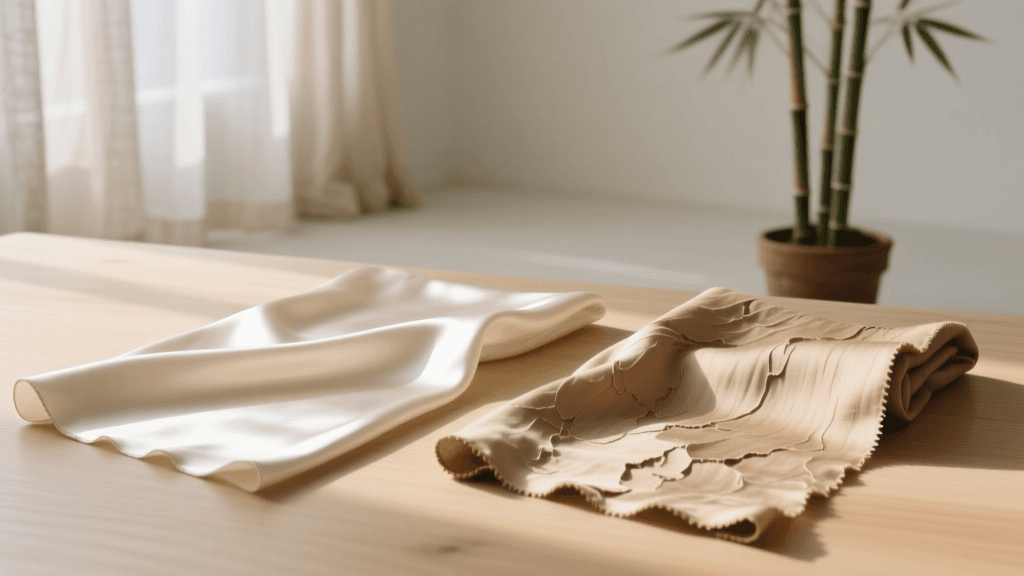
Unlike the delicate silks of ceremonial wear, everyday hanbok prioritizes durability and comfort. The 2026 spring and summer collections are dominated by eco-friendly Tencel, organic cotton-linen blends, and wrinkle-resistant recycled cellulose fibers. These fabrics drape beautifully but do not require the meticulous steaming and careful handling of traditional silk. For autumn and winter, everyday hanbok utilizes brushed cotton, lightweight wool blends, and even quilted tech-fabrics that mimic the look of traditional padding without the bulk.
Silhouette Modifications
To accommodate modern lifestyles, the structural architecture is drastically altered. The chima is often shortened to midi or knee-length, eliminating the tripping hazard of floor-sweeping skirts. Waistbands have evolved from delicate ties to elasticized bands or concealed side-zippers. The jeogori is frequently lengthened to the natural waist or hips, and the sleeves are narrowed, sometimes replacing the curved baerae with standard straight cuffs or button closures. As reported by The Korea Herald's Culture Desk, the 2026 surge in 'streetwear hanbok' has even seen the introduction of denim chima and oversized, bomber-jacket-style jeogori, bridging the gap between historical homage and urban utility.
2026 Everyday Market and Pricing
The accessibility of everyday hanbok is one of its greatest strengths. Direct-to-consumer brands and independent designers on platforms like Etsy and specialized Korean fashion e-commerce sites offer high-quality daily hanbok sets between $60 and $180. Separates (buying a skirt and jacket individually) are highly popular, allowing consumers to mix and match traditional pieces with modern basics like turtlenecks or crisp white button-down shirts.
Comprehensive Comparison: Ceremonial vs. Everyday Hanbok
To visualize the distinct differences between these two garment categories, refer to the 2026 comparison matrix below:
| Feature | Ceremonial Hanbok | Everyday (Gaeryang) Hanbok |
|---|---|---|
| Primary Use | Weddings, Chuseok, Seollal, Doljanchi | Daily wear, office, casual outings, travel |
| Common Fabrics | Silk, brocade, fine ramie, satin | Cotton, linen, Tencel, denim, tech-blends |
| Skirt Length (Chima) | Floor-sweeping, highly voluminous | Midi, knee-length, or ankle-grazing with less volume |
| Jacket Fit (Jeogori) | Cropped (ends below bust), wide curved sleeves | Waist or hip-length, tailored or straight sleeves |
| Closure & Waistband | Traditional long ties (Goreum), wrap-around | Elastic bands, side-zippers, snap buttons |
| Care Instructions | Professional dry clean only, careful folding | Machine washable (gentle cycle), hang dry |
| Average Price (2026) | $600 - $2,500+ (Custom/Artisan) | $60 - $180 (Ready-to-wear) |
Styling and Accessorizing for the Modern Era
Styling a hanbok in 2026 requires an understanding of the garment's intended context. Mixing ceremonial pieces with casual footwear can look disjointed, just as wearing highly structured traditional undergarments with a casual cotton hanbok defeats the purpose of daily comfort.
Ceremonial Styling
When wearing ceremonial hanbok, traditional accessories are non-negotiable for a complete look. Women often pair their attire with kkotsin (silk floral shoes) and elaborate hairpieces like the binyeo (ornamental hairpin) or daenggi (ribbon). The norigae, a decorative pendant attached to the goreum or waist, is essential for adding movement and historical accuracy. Exhibitions at the National Museum of Korea frequently highlight how the weight and material of a norigae historically denoted social class; today, they are chosen to complement the color palette of the silk.
Everyday Styling
Everyday hanbok thrives on juxtaposition. In 2026, it is incredibly common to see a linen chima paired with a simple, modern knit sweater instead of a traditional jeogori. Footwear shifts from traditional silk shoes to modern loafers, minimalist leather sneakers, or Chelsea boots. For bags, structured leather handbags or modern canvas totes replace the traditional bokjumeoni (pouch). The goal is to let the hanbok piece serve as a statement item within a globally recognizable contemporary outfit.
Care, Maintenance, and Storage
The longevity of your garment depends entirely on respecting its fabric composition.
- Ceremonial Silk Care: Never wash silk or brocade hanbok at home. Water can cause irreversible staining and shrinkage. Always seek a dry cleaner experienced in handling traditional ethnic garments. When storing, do not use wire hangers, as they will distort the shoulder line of the jeogori. Instead, fold the garments along their traditional crease lines and store them in breathable cotton bags with natural camphor or cedar to deter pests.
- Everyday Fabric Care: Most cotton and Tencel everyday hanbok can be machine washed. Use a mesh laundry bag, select a cold-water gentle cycle, and use a mild, pH-neutral detergent. Never use bleach or harsh fabric softeners, which can break down the cellulose fibers. Hang dry in the shade to prevent UV fading, and use a low-heat steam iron to press the pleats of the chima if necessary.
Final Thoughts
The hanbok in 2026 is a living, breathing testament to Korean cultural resilience. Whether you are investing in a breathtaking, hand-loomed silk ceremonial set to honor your heritage at a wedding, or purchasing a breezy, organic cotton midi-skirt for a summer stroll through the city, understanding the distinction between ceremonial and everyday wear ensures you respect the tradition while embracing modern functionality. By choosing the right fabrics, silhouettes, and styling techniques, you can seamlessly integrate the timeless beauty of the hanbok into any facet of your life.