Yukata vs Jinbei: 2026 Japanese Summer Fashion Guide
The Renaissance of Japanese Summer Wear in 2026
The sweltering heat of the Japanese summer is legendary, but so is the vibrant cultural calendar that accompanies it. From the dazzling fireworks of the Sumidagawa Hanabi Taikai to the rhythmic dances of local Bon Odori festivals, summer in Japan is a season of celebration. For both locals and international travelers navigating the 2026 tourism landscape, choosing the right traditional attire is essential for comfort, cultural respect, and photographic memories. The two undisputed champions of Japanese summer casual wear are the yukata and the jinbei. While both garments share historical roots in the Edo period and prioritize breathability, their modern applications, styling requirements, and cultural connotations differ significantly. In this comprehensive 2026 guide, we break down the yukata vs jinbei debate, helping you decide which garment best suits your summer itinerary, body type, and personal style.
Understanding the Yukata: Elegance Meets Breathability
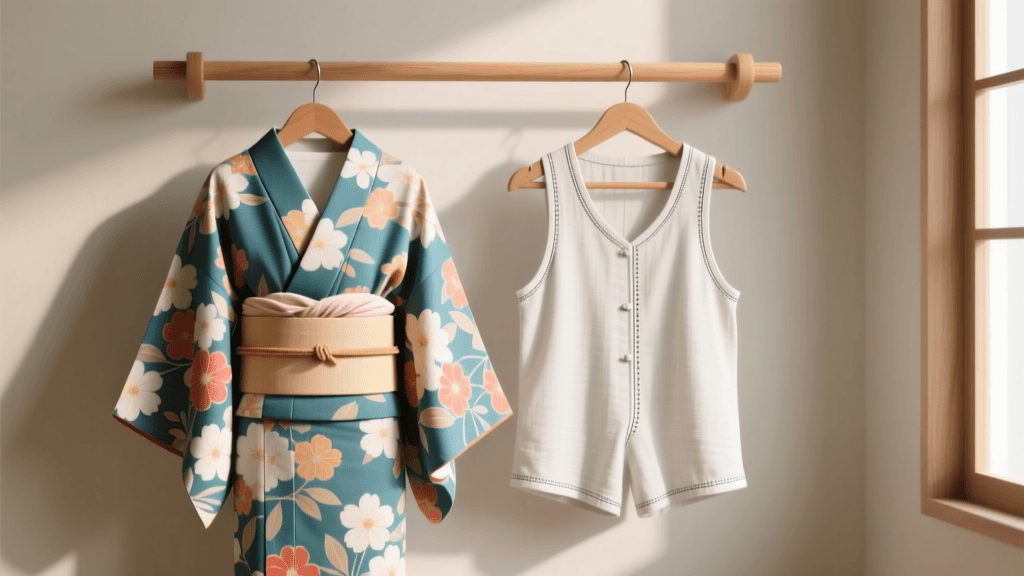
The yukata is a lightweight, unlined kimono traditionally made from cotton or, increasingly in 2026, advanced cooling synthetic blends. Originally worn as a bathing robe by the nobility in the Heian period, it evolved into the ubiquitous summer festival garment we recognize today. A yukata is a single, T-shaped piece of fabric that wraps around the body, secured by an obi (sash). For women, the styling options are virtually limitless, ranging from the classic bunko (bow) knot to intricate modern accessories like obijime (cords) and obidome (brooches). Men's yukata are generally darker, featuring subdued geometric or nature-inspired patterns, and are tied with a simpler, narrower obi.
In 2026, the yukata remains the gold standard for attending major public festivals, visiting shrines, and enjoying evening fireworks displays. It projects an air of elegance and intentionality. However, it requires a degree of practice to tie correctly, and the layered nature of the garment, despite being unlined, can still feel warm during peak afternoon humidity. According to cultural heritage guides at Japan Experience, the distinction between formal and casual wear in Japan relies heavily on the garment's structure and the occasion's prestige, making the yukata the perfect bridge between everyday clothing and formal traditional wear.
The Jinbei Revolution: Ultimate Casual Comfort
If the yukata is the elegant evening gown of Japanese summer, the jinbei is the ultimate relaxed weekend loungewear. Originating as indoor workwear for men during the Edo period, the jinbei is a two-piece ensemble consisting of a short-sleeved, cross-over top and matching drawstring shorts or cropped pants. Historically confined to men, children, and the privacy of the home, the jinbei has undergone a massive fashion renaissance over the last decade. By 2026, women's jinbei collections are a dominant force in Japanese summer retail, featuring vibrant floral prints, lace trims, and tailored silhouettes that rival Western summer resort wear.
The primary advantage of the jinbei is unparalleled comfort and ease of movement. There is no obi to tie, no complex folding to master, and the two-piece design allows for maximum airflow. It is the garment of choice for neighborhood block parties, casual trips to the local convenience store, lounging on the tatami mat, or participating in lively, active Bon Odori dances where a long yukata hem might be a tripping hazard.
Head-to-Head Comparison: Yukata vs. Jinbei
| Feature | Yukata | Jinbei |
|---|---|---|
| Structure | One-piece, T-shaped robe | Two-piece top and shorts/pants |
| Formality | Semi-casual to Smart-casual | Strictly Casual / Loungewear |
| Ease of Wear | Moderate (requires obi tying) | Very Easy (drawstring and wrap) |
| Footwear Pairing | Geta or Zori with tabi socks | Geta, sandals, or barefoot indoors |
| Best Occasions | Fireworks, shrine visits, dates | Local dances, lounging, casual errands |
| 2026 Avg Price (USD) | $40 - $150 (Full set) | $25 - $80 (Full set) |
Scenario Guide: Which Should You Choose?
Scenario 1: Major Fireworks Festivals (Hanabi Taikai)
Winner: Yukata. The atmosphere at major fireworks festivals is romantic, highly visual, and steeped in tradition. A yukata elevates the experience, making it perfect for couples and groups wanting memorable photographs. The long silhouette looks stunning against the backdrop of illuminated paper lanterns and night skies.
Scenario 2: Local Bon Odori Dances
Winner: Jinbei. Bon Odori involves vigorous, repetitive dancing in circles around a central yagura (wooden scaffold). A jinbei allows for unrestricted leg movement and prevents the embarrassment of stepping on a long hem. Plus, the casual nature of neighborhood festivals aligns perfectly with the relaxed vibe of a jinbei.
Scenario 3: Ryokan (Traditional Inn) Stays
Winner: Both. Most ryokans provide both garments for guests. Wear the yukata when walking around the inn's gardens, visiting the public onsen, or eating dinner in the communal dining room. Change into the jinbei when you return to your private room for sleeping and late-night lounging.
Scenario 4: Theme Parks and Long Walking Days
Winner: Jinbei. If you are spending the day at Tokyo Disneyland or Universal Studios Japan during the summer, a yukata will become heavy, sweaty, and restrictive. A modern, moisture-wicking jinbei will keep you cool and allow you to navigate crowds and rides with ease.
Sizing and Fit: The 2026 Modern Silhouette
When shopping for traditional garments in 2026, sizing has become more accommodating to international tourists. For a yukata, the most critical measurement is the length. The ideal hem should fall exactly at your ankle bone when the collar is pulled tight at the back of the neck. If it drags on the floor, it is a tripping hazard; if it is too short, it looks ill-fitted. Many modern brands now offer "tall" and "petite" cuts specifically designed for non-Japanese body types.
For a jinbei, the fit is much more forgiving due to the drawstring waist and wrap-around top. However, pay close attention to the inseam of the shorts. In 2026, women's jinbei trends lean towards slightly longer, tailored shorts that hit mid-thigh, offering a more polished look suitable for outdoor cafes and casual dining, whereas men's styles remain predominantly above the knee for maximum ventilation.
Sustainable Textiles and Cooling Innovations
The Japanese textile industry has made massive strides in sustainable and functional fabrics. According to the Japan National Tourism Organization, summer festivals continue to draw record crowds, driving demand for garments that withstand extreme heat. In response, 2026 collections heavily feature "contact cooling" technology (often measured by Q-max values), which instantly draws heat away from the skin. Furthermore, there is a massive resurgence in natural, eco-friendly dyes. Traditional aizome (Japanese indigo) is highly prized not just for its beautiful, deep blue hue, but for its natural insect-repellent and odor-resistant properties, making it an incredibly practical choice for humid summer evenings.
Footwear and Accessory Pairings
No traditional outfit is complete without the right accessories. For the yukata, wooden geta sandals are the traditional choice, though in 2026, many opt for cushioned, modern interpretations that prevent blisters during long festival walks. A kinchaku (drawstring bag) is essential for carrying a smartphone and wallet, as yukata lack pockets. An uchiwa (rigid round fan) serves as both a cooling tool and a stylish prop.
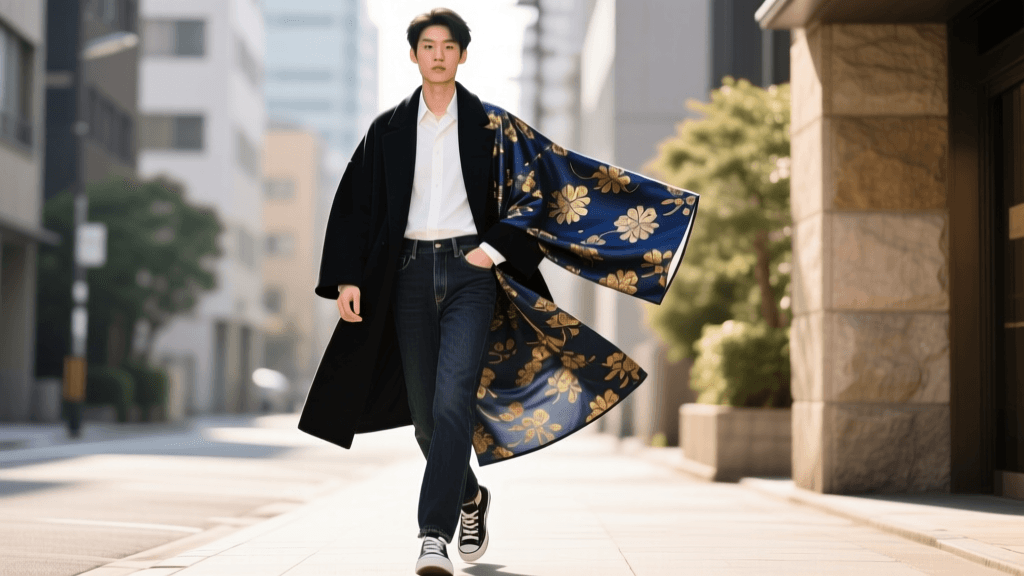
The jinbei is much more versatile regarding footwear. While bare feet in tatami rooms are standard, outdoor jinbei styling in 2026 frequently pairs the garment with modern leather slides, sporty sandals, or even minimalist canvas sneakers for a contemporary streetwear fusion. A woven straw hat and a simple canvas tote bag complete the relaxed, effortless aesthetic.
Cultural Etiquette: What to Avoid
While Japan is increasingly relaxed about how tourists wear traditional clothing, a few rules of etiquette remain important. First, always wrap your yukata or jinbei top with the left side over the right side. Wrapping right over left is strictly reserved for dressing the deceased for funerals and is considered highly inauspicious. Second, avoid wearing a jinbei to upscale restaurants, formal tea ceremonies, or major shrines during formal rituals; it is universally recognized as loungewear or sleepwear. Finally, when wearing a yukata, ensure the back of the collar is pulled down slightly to expose the nape of the neck, a classic hallmark of Japanese elegance.
Care and Maintenance for Modern Garments
One of the greatest advantages of modern summer wear is ease of care. While vintage silk or high-end hemp garments require professional cleaning, the vast majority of 2026 cotton and polyester-blend yukatas and jinbeis are machine washable. To preserve the vibrant natural dyes and structural integrity of the fabric, wash them in a mesh laundry bag on a gentle, cold-water cycle. Never use a tumble dryer, as the intense heat will shrink the cotton and warp the seams. Instead, reshape the garment while damp and hang it to dry in the shade. Direct sunlight can quickly fade beautiful indigo and floral patterns. With proper care, these garments will remain a staple of your summer wardrobe for years to come.