Buying Authentic Hanbok Online: 2026 Korean Marketplace Guide
The Evolution of Hanbok E-Commerce in 2026
The global appetite for traditional Asian garments has surged dramatically over the last few years, driven by international media, cultural festivals, and a growing appreciation for sustainable, heritage-based fashion. As we navigate 2026, the Hanbok—Korea’s iconic traditional dress—remains one of the most sought-after garments. However, the proliferation of mass-produced, polyester knockoffs on global e-commerce platforms has made it increasingly difficult for international buyers to source authentic, high-quality pieces.
For serious collectors, cultural enthusiasts, and those seeking genuine ceremonial or daily-wear Hanbok, the secret lies in bypassing Western-facing drop-shippers and shopping directly on Korean domestic marketplaces. In 2026, South Korea’s e-commerce infrastructure is highly advanced, featuring AI-driven virtual fitting rooms, augmented reality (AR) textile previews, and seamless domestic logistics. This guide will walk you through exactly how to navigate these domestic platforms, authenticate fabrics, and utilize freight forwarders to bring genuine Korean craftsmanship to your doorstep.
The 2026 Digital Landscape: Domestic vs. Global Platforms
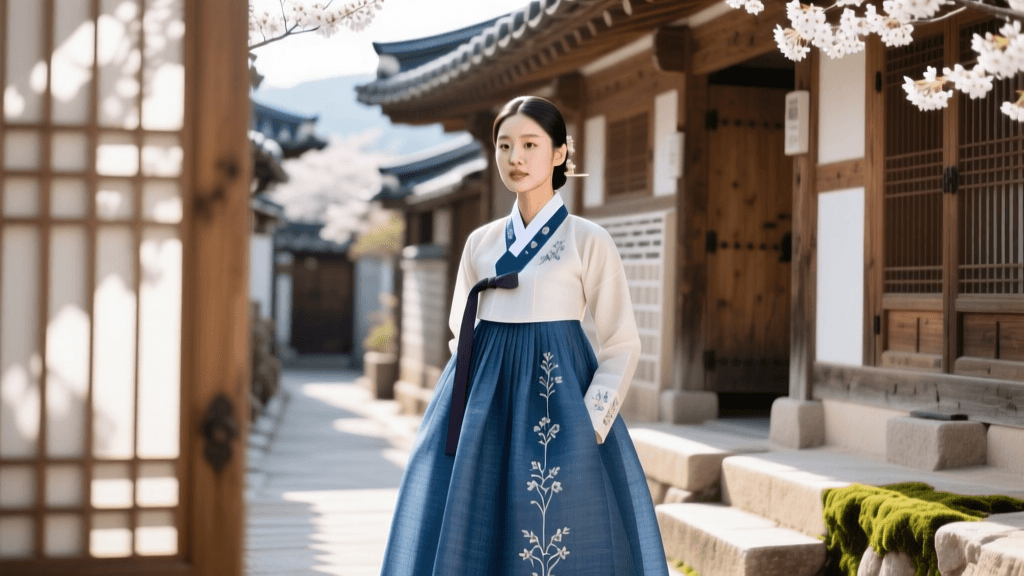
While global sites offer convenience, they rarely stock genuine, artisan-made Hanbok. Authentic pieces are primarily sold on domestic Korean platforms. Understanding the distinction between Saenghwal Hanbok (생활한복, modernized daily wear) and Myeongjeol Hanbok (명절한복, traditional ceremonial wear) is crucial before you begin your search.
In 2026, Korean domestic platforms have integrated sophisticated sizing algorithms. Because traditional Hanbok relies on flat-pattern cutting and tie-fastenings rather than darts and zippers, the fit is inherently forgiving, yet precise sleeve lengths and skirt hems are vital for elegance. Domestic sellers now frequently offer AI-assisted measurement inputs, allowing you to upload a quick body scan via your smartphone to receive custom-tailored adjustments on ready-to-wear pieces.
Navigating Korea’s Top Domestic Marketplaces
To access authentic inventory, you must shop where the locals shop. Here are the premier domestic marketplaces for Hanbok in 2026:
1. Naver Shopping (네이버 쇼핑)
Naver is the undisputed search engine giant of South Korea. Its shopping aggregator indexes thousands of independent Hanbok ateliers and boutiques. To find authentic garments, you must use Hangul search terms. Searching for '진품 한복' (authentic Hanbok) or '명주 한복' (silk Hanbok) will filter out the cheap cosplay costumes that plague English-language searches. Naver Shopping also features detailed buyer reviews with high-resolution, unedited photos, allowing you to inspect the stitching and fabric drape before purchasing.
2. Kakao Style (Zipzig)
Kakao Style has revolutionized Korean fashion e-commerce by focusing heavily on curated, trendy boutiques. In 2026, their platform is the go-to destination for contemporary Saenghwal Hanbok. Brands on Kakao Style often blend traditional silhouettes with modern, washable textiles suitable for everyday office wear or casual outings. The platform’s integrated social feed allows you to see how everyday Koreans are styling their Hanbok with modern accessories.
3. W Concept
For high-end, luxury Hanbok, W Concept is the premier destination. This marketplace focuses on independent Korean designers who are pushing the boundaries of traditional textiles. If you are looking for a bespoke wedding Hanbok or a ceremonial piece featuring genuine gold-leaf imprinting (geumbak), W Concept hosts the most prestigious ateliers in Seoul, complete with virtual consultation services for international clients.
Fabric Guide: Authentic Textiles vs. Fast-Fashion Synthetics
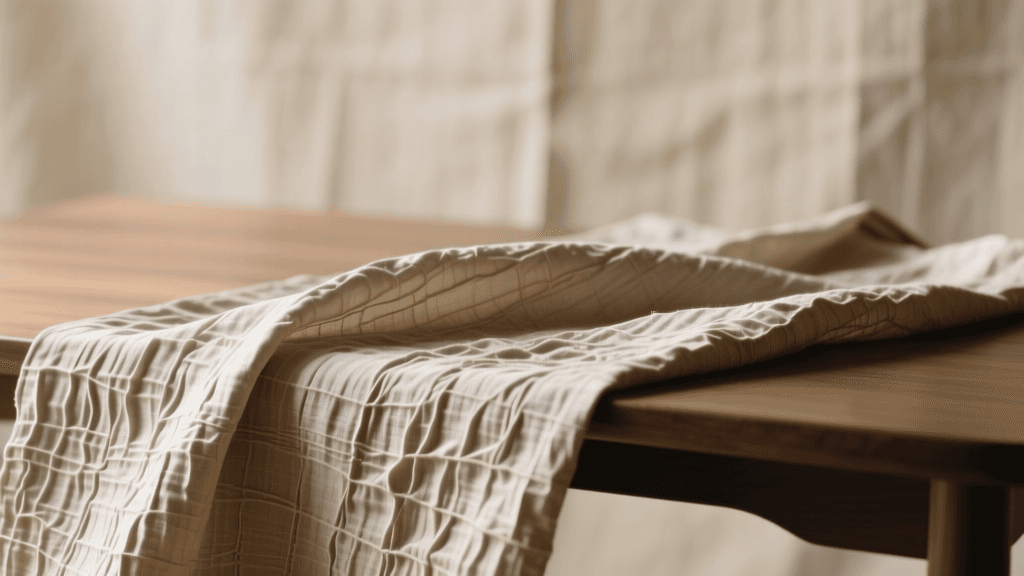
The most significant indicator of an authentic Hanbok is its textile. According to the National Folk Museum of Korea, the structural integrity and historical significance of the garment are deeply tied to natural fibers, which provide the distinctive voluminous drape and breathability that synthetics cannot replicate. Fast-fashion alternatives often use stiff polyesters that trap heat and lack the luminous sheen of genuine silk or the crisp texture of ramie.
Below is a comparative breakdown of the fabrics you will encounter on domestic marketplaces in 2026, along with current pricing expectations.
| Fabric Type | Korean Term | Characteristics & Best Use | 2026 Price Range (Full Set) |
|---|---|---|---|
| Myeongju (Silk) | 명주 | Lustrous, breathable, and historically significant. Ideal for weddings and major ceremonies. Requires professional dry cleaning. | 450,000 - 1,200,000 KRW ($330 - $890 USD) |
| Mosi (Ramie) | 모시 | Crisp, highly breathable, and semi-translucent. The premier choice for summer Hanbok. Holds its shape beautifully. | 250,000 - 600,000 KRW ($185 - $445 USD) |
| Myeon (Cotton) | 면 | Soft, durable, and easy to maintain. Widely used for modern daily-wear (Saenghwal Hanbok) and winter layering. | 120,000 - 300,000 KRW ($89 - $220 USD) |
| Polyester Blend | 폴리혼방 | Wrinkle-resistant and cheap, but lacks historical drape and breathability. Common in fast-fashion and rental shops. | 50,000 - 100,000 KRW ($37 - $74 USD) |
Mastering Online Measurements for Custom Ateliers
While many modern Hanbok brands offer standard sizing (Small, Medium, Large), traditional ateliers on Naver Shopping often provide made-to-order services. Understanding the unique measurement terminology of the Hanbok is essential for a flawless fit.
- Hwa-jang (화장): The sleeve length. Unlike Western garments that measure from the shoulder seam, Hanbok sleeves are measured from the center back of the neck, across the shoulder, down to the wrist. This accommodates the traditional dropped-shoulder silhouette.
- Jeogori Git (저고리 깃): The collar width and depth. A properly fitted git should frame the neck elegantly without choking the wearer or gaping open.
- Chima-jang (치마장): The length of the skirt. For a traditional floor-sweeping look, measure from your natural waist (just under the bust) down to the floor, subtracting the height of the shoes you intend to wear.
As highlighted by the Korean Craft and Design Foundation, contemporary artisans are now blending these historical measurement techniques with modern ergonomic adjustments, ensuring that the jeogori (jacket) allows for full arm mobility without riding up, a common issue in poorly tailored mass-market versions.
Overcoming International Shipping Barriers
The primary hurdle for international buyers in 2026 remains shipping. Most domestic Korean sellers on Naver and Kakao Style do not ship directly overseas due to the complexities of international customs and returns. To bypass this, savvy international shoppers utilize Korean freight forwarding services, commonly known as 'baedaengi' (배대지).
Services like Malltail, Delivered Korea, and Harumail provide you with a local Korean warehouse address. You purchase your Hanbok on the domestic marketplace and ship it to this warehouse. Once your garments arrive, the forwarding service consolidates your packages, repackages them to minimize volumetric weight, and ships them internationally via DHL or EMS. This method not only grants you access to the authentic domestic market but often results in lower overall shipping costs compared to direct international checkout options on boutique sites.
Care and Preservation of Authentic Garments
Investing in an authentic silk or ramie Hanbok requires proper aftercare. Natural dyes used by traditional artisans can be sensitive to harsh chemicals and direct sunlight. When your garment arrives, avoid storing it in plastic garment bags, which can trap moisture and cause the natural fibers to mildew. Instead, use breathable cotton covers and store the garment in a cool, dry place. For silk Myeongju, always seek out a dry cleaner who specializes in traditional Asian textiles, as standard perc solvents can strip the natural sericin from the silk threads, dulling the fabric's iconic luster.
Conclusion
Sourcing an authentic Hanbok online in 2026 is a deeply rewarding process that connects you directly with Korea’s rich textile heritage. By utilizing domestic search terms, understanding the nuances of natural fabrics, and leveraging local freight forwarders, you can build a collection of garments that are not only historically respectful but exquisitely tailored to your modern life. Step away from the fast-fashion replicas and embrace the true artistry of Korean traditional dress.