Best Xin Zhongshi Cloud Shoes & Boots: 2026 Style Guide
The Resurgence of Traditional Footwear in the Xin Zhongshi Era
The Xin Zhongshi (New Chinese Style) movement has completely transformed how we approach heritage fashion in 2026. No longer confined to ceremonial wear, historical reenactments, or museum archives, traditional garments and accessories have seamlessly integrated into daily urban wardrobes across the globe. At the very foundation of this sartorial revolution lies traditional Chinese footwear. From the elegantly curved Ruyi cloud shoes (Yunxie) to the structured, commanding presence of traditional boots (Xue), the right footwear anchors any heritage outfit. In this comprehensive 2026 buyer's and styling guide, we explore the finest traditional footwear options, how modern artisans are updating them for contemporary comfort, and exactly how to incorporate them into your daily rotation.
As the demand for authentic yet wearable traditional Chinese clothing continues to surge this year, footwear designers have bridged the gap between historical accuracy and modern ergonomics. Whether you are navigating the streets of Shanghai, attending a cultural festival in London, or simply elevating your office attire with a touch of Eastern elegance, understanding the nuances of heritage footwear is essential.
The Evolution of Cloud Shoes (Yunxie) in 2026
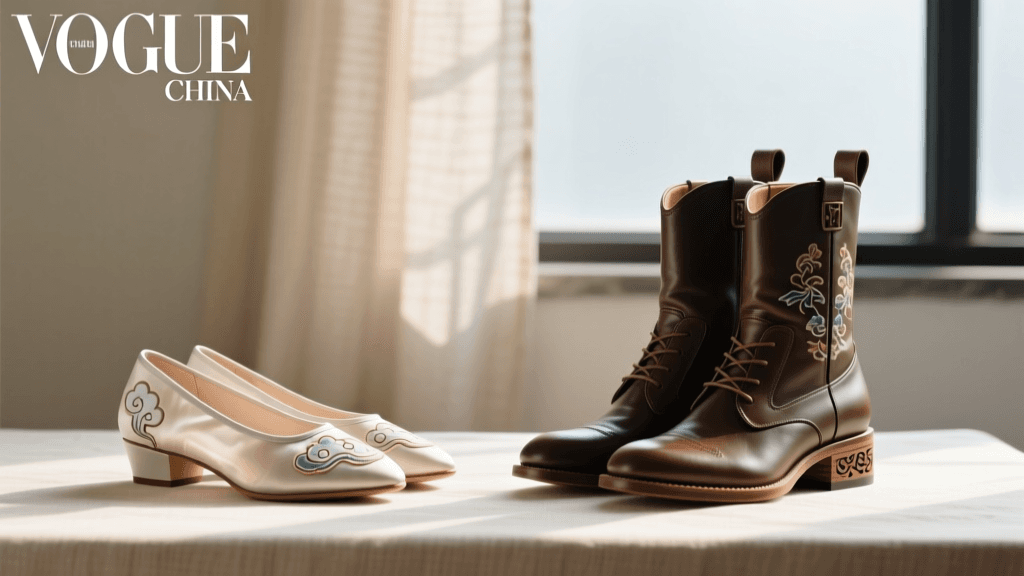
Cloud shoes, or Yunxie, are arguably the most recognizable silhouette in traditional Chinese footwear. Characterized by their upturned toes and the iconic Ruyi (as-you-wish) cloud motif embroidered or appliquéd onto the vamp, these shoes were historically worn by scholars, officials, and nobility during the Ming and Qing dynasties. The upturned toe was not merely decorative; it served a practical purpose, preventing the wearer from tripping over the long, flowing hems of traditional robes.
In 2026, the Hanfu movement and the broader Xin Zhongshi trend have pushed the demand for comfortable yet historically resonant footwear to new heights. Modern iterations of the Yunxie have undergone significant structural upgrades. While traditional versions relied on layered cotton or carved wood for the sole, today's premium cloud shoes utilize high-density EVA foams and memory-foam insoles concealed beneath silk brocades. This innovation provides the shock absorption required for walking on modern concrete and asphalt while maintaining the elegant, low-profile silhouette of the original design.
Furthermore, 2026 has seen a massive shift toward sustainable materials in heritage footwear. Leading artisans are now utilizing plant-dyed silks and gambiered Canton gauze (Xiangyunsha) for the shoe uppers. This not only provides a rich, earthy color palette that pairs beautifully with modern neutral wardrobes but also offers natural water resistance and breathability, making cloud shoes a viable option for three-season wear.
Traditional Boots (Xue): Equestrian Roots to Modern Streets
While cloud shoes offer delicate elegance, traditional boots, known as Xue, provide structure, warmth, and a commanding presence. Historically, boots were heavily influenced by the equestrian cultures of Northern China and the Mongol Empire. They were essential for riding and were later adopted by Ming and Qing dynasty officials as part of their formal court attire. The classic official's boot features a thick, layered cotton sole and a rigid upper that extends to the mid-calf or ankle.
For the modern Xin Zhongshi enthusiast in 2026, ankle-length variations of the Xue have become a staple for autumn and winter styling. Contemporary bootmakers have replaced the heavy, rigid cotton soles with vulcanized rubber that mimics the stacked, layered aesthetic of historical soles but offers superior grip and flexibility. The uppers are frequently crafted from vegan leather, matte silk, or heavy-weight wool blends, adorned with subtle tone-on-tone embroidery rather than the loud, contrasting colors of theatrical costumes.
These boots are particularly favored for their ability to ground an outfit. When paired with wide-leg trousers or heavy winter skirts, the structured ankle boot provides a necessary visual weight, preventing the silhouette from looking bottom-heavy or unbalanced.
Embroidered Flats (Gongxie): The Everyday Essential
Completing the trinity of traditional footwear is the Gongxie, or embroidered flat. Historically associated with women's daily wear and the intricate, albeit problematic, practice of foot binding, the modern 2026 interpretation of the Gongxie has been entirely reclaimed and reimagined for natural, healthy feet. Today's embroidered flats feature wide, anatomically correct toe boxes and flexible leather or rubber soles. They are the closest traditional equivalent to the modern ballet flat or loafer, making them the perfect entry point for those new to Xin Zhongshi fashion.
2026 Buyer’s Comparison Chart
To help you navigate the market, we have compiled a detailed comparison of the top traditional footwear styles available this year. This chart considers historical origins, current market pricing, and optimal styling pairings.
| Footwear Style | Historical Origin | 2026 Avg. Price (USD) | Best Modern Pairing | Comfort Rating (1-10) |
|---|---|---|---|---|
| Ruyi Cloud Shoe (Yunxie) | Ming / Qing Dynasty | $85 - $160 | Mamianqun, Flowing Maxi Skirts | 8.5 |
| Official's Ankle Boot (Xue) | Yuan / Ming Dynasty | $140 - $280 | Wide-Leg Trousers, Winter Robes | 9.0 |
| Embroidered Flat (Gongxie) | Qing Dynasty (Han) | $50 - $110 | Song-Style Trousers, Modern Denim | 9.5 |
| Straw-Woven Sandal (Caoxie) | Ancient / Agrarian | $30 - $65 | Summer Linen Hanfu, Resort Wear | 7.0 |
Styling Footwear with Modern Xin Zhongshi Wardrobes
Integrating traditional footwear into a 2026 wardrobe requires an understanding of proportion and hemlines. The most common pairing for cloud shoes and embroidered flats is the Mamianqun, or horse-face skirt. When wearing a Mamianqun, the hem should ideally fall just above the ankle bone. This allows the intricate embroidery and the distinctive upturned toe of the cloud shoe to be fully visible, creating a beautiful focal point at the base of the outfit.
For men or those preferring a more structured, masculine silhouette, traditional ankle boots are best paired with Ming-style round-collar robes or modern, wide-leg tailored trousers. The key is to ensure the trouser hem rests cleanly on the top of the boot without excessive bunching. A slight break in the fabric is acceptable, but pooling fabric will obscure the boot's clean lines and detract from the tailored aesthetic.
Color coordination in 2026 leans heavily toward tonal dressing. Rather than matching the exact color of the shoe to the garment, contemporary stylists recommend picking up a secondary or tertiary color from the skirt's woven pattern and echoing it in the footwear. For example, if your Mamianqun features a deep navy base with subtle gold and olive woven motifs, an olive-green cloud shoe will create a sophisticated, cohesive look without appearing overly matchy.
Sizing, Fit, and Ergonomic Considerations
One of the most significant hurdles for international buyers of traditional Chinese footwear is sizing. Historically, traditional shoes were made on straight lasts, meaning there was no differentiation between the left and right foot. While modern 2026 productions utilize anatomically curved lasts, the width and volume profiles still differ significantly from Western footwear standards.
Asian shoe lasts typically feature a wider toe box to accommodate natural toe splay, but a narrower, lower-volume heel. If you are purchasing from independent Taobao artisans or specialized Xin Zhongshi boutiques, it is crucial to measure your foot length in millimeters and consult the brand's specific size chart. Do not rely on standard US or EU conversions, as they can vary wildly between manufacturers. For those with wider feet or high insteps, lace-up variations of the traditional boot or adjustable Mary-Jane style embroidered flats offer the most forgiving fit.
Long-Term Care and Maintenance
Investing in high-quality heritage footwear requires a commitment to proper maintenance. The delicate silk brocades and intricate embroideries used in premium Yunxie and Gongxie are susceptible to water spots, snagging, and UV fading.
Cleaning and Protection
Never machine wash or submerge traditional silk footwear. In 2026, the best practice for routine cleaning is to use a soft-bristled horsehair brush to gently sweep away dust and dirt from the embroidery threads. For localized stains, a specialized, pH-neutral silk cleaner applied with a microfiber cloth is recommended. To protect your shoes from unexpected rain, treat the uppers with a modern nano-ceramic fabric waterproofing spray. These advanced sprays create an invisible, breathable barrier that repels water and oil without altering the hand-feel or sheen of the silk.
Storage and Shape Retention
Because traditional shoes often lack the rigid internal counters found in modern leather dress shoes, they can lose their shape over time. Always insert cedar shoe trees or stuff the toes with acid-free tissue paper when the shoes are not being worn. Cedar not only maintains the structural integrity of the upturned toe but also naturally absorbs moisture and odors. Store your footwear in breathable cotton dust bags, away from direct sunlight, to preserve the vibrancy of the plant and synthetic dyes.
Conclusion: Stepping into the Future of Heritage
The traditional Chinese footwear landscape in 2026 is a masterclass in balancing reverence for the past with the demands of the present. Whether you are slipping into a pair of memory-foam-lined cloud shoes for a day at the gallery, or lacing up structured ankle boots for a winter commute, Xin Zhongshi footwear offers a unique opportunity to carry centuries of cultural artistry with every step. By understanding the history, selecting the right silhouette for your wardrobe, and committing to proper care, you ensure that these beautiful garments remain a vibrant, living part of your daily life for years to come.