Komon vs Yukata: 2026 Guide to Everyday Japanese Kimono
The Resurgence of Everyday Kimono in 2026
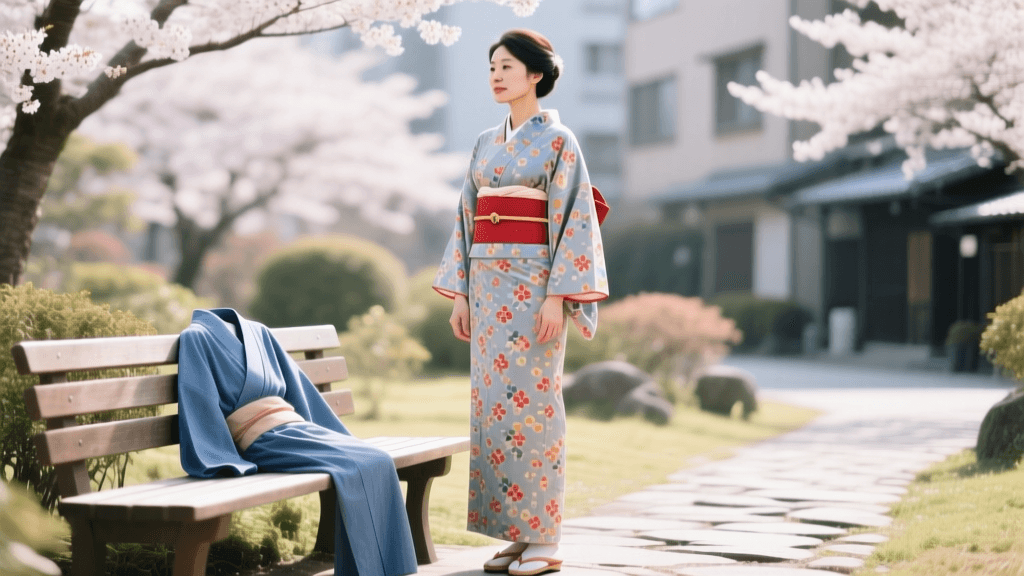
The landscape of Japanese traditional fashion has undergone a remarkable transformation by 2026. No longer reserved strictly for tea ceremonies, coming-of-age days, or high-end ryokan stays, everyday kimono have firmly rooted themselves in the modern street style of Tokyo, Kyoto, and beyond. The 'Neo-Tradition' movement of the mid-2020s has encouraged a new generation of wearers to mix vintage textiles with contemporary accessories, making traditional garments more accessible and practical for daily life. For enthusiasts and newcomers alike, navigating the nuances between different garment types is essential. The two most prominent pillars of everyday Japanese dress are the Yukata and the Komon. While both serve as approachable entry points into the world of kitsuke (the art of dressing), they differ vastly in construction, formality, seasonal appropriateness, and textile technology.
According to the Ministry of Economy, Trade and Industry (METI), the preservation and modernization of traditional crafts, including silk weaving and Yuzen dyeing, have seen a surge in government and private sector support in 2026. This initiative has led to the development of hybrid fabrics that honor historical aesthetics while offering modern convenience. In this comprehensive guide, we will dissect the differences between the Komon and the Yukata, providing you with actionable advice on sourcing, styling, and maintaining these beautiful garments in the current market.
Understanding the Yukata: Summer’s Breathable Canvas
The Yukata is arguably the most globally recognized Japanese garment, often associated with summer fireworks festivals (hanabi taikai), bon odori dances, and relaxing in traditional inns. Historically, the yukata was a simple bathrobe made of hemp or cotton, worn by the aristocracy before evolving into the vibrant festival wear we see today. In 2026, the yukata remains an unlined, single-layer garment, prized for its breathability and ease of care.
Modern yukata fabrics have evolved beyond standard cotton. While traditional shijira-ori (a textured, seersucker-like cotton weave from Tokushima) remains highly sought after for its moisture-wicking properties, 2026 has seen the rise of hemp-cotton blends and ultra-fine bamboo-cotton textiles. These materials offer a crisper drape and superior cooling effects during Japan's increasingly humid summers. Because the yukata is unlined and made of plant-based fibers, it is inherently casual. It is traditionally worn with a hanhaba obi (a half-width, informal sash) and wooden geta sandals, without the need for the elaborate undergarments required for silk kimono.
The Komon: Versatility in Everyday Silk and Synthetics
If the yukata is the garment of summer festivals, the Komon is the workhorse of the year-round wardrobe. Translating to 'fine pattern,' a Komon is a type of kimono characterized by small, repeated motifs that cover the entire garment. Unlike the Yukata, a traditional Komon is lined (awase) for autumn and winter, or unlined (hitoe) for the brief spring and early autumn seasons. It represents the lowest tier of formal silk kimono, making it the perfect 'everyday' dress for outings, casual dining, and cultural classes.
The Victoria and Albert Museum (V&A) notes that the repetition of patterns in Komon kimono historically allowed for incredible creativity in dyeing techniques, such as Edo Komon (micro-patterns dyed with stencils) and Kyo Yuzen (hand-painted resist dyeing). In 2026, while authentic silk Komon remain highly prized, the market has been revolutionized by high-grade, washable polyester silks. Brands in Kyoto have perfected 'Silk-Touch' synthetics that mimic the luster and drape of chirimen (crepe silk) while allowing the wearer to machine-wash the garment at home—a massive selling point for modern consumers who lack the time or budget for professional kimono dry cleaning.
Head-to-Head: Komon vs. Yukata Comparison Chart
To help you make an informed purchasing decision, we have compiled a detailed comparison of the Komon and Yukata based on 2026 market standards and wearing conventions.
| Feature | Yukata | Komon |
|---|---|---|
| Formality | Casual (Festivals, Lounging, Summer Events) | Smart Casual (Theater, Dining, Tea Ceremony) |
| Seasonality | Strictly Summer (July - August) | Year-Round (Lined for Winter, Unlined for Spring/Fall) |
| Primary Fabrics (2026) | Cotton, Hemp Blends, Bamboo-Cotton | Silk, Washable Polyester, Rayon |
| Construction | Unlined (Single Layer) | Lined (Awase) or Unlined (Hitoe) |
| Undergarments | Simplified slip (Hadajuban) or camisole | Full Nagajuban (under-kimono) required |
| Obi Type | Hanhaba Obi (Half-width) | Nagoya Obi or Hanhaba Obi |
| Footwear | Geta (Wooden clogs), bare feet or casual tabi | Zori (Woven or vinyl sandals) with formal tabi socks |
| 2026 Avg. Price (New) | $80 - $250 USD | $300 - $1,200+ USD (Silk) |
2026 Buying Guide: Where to Source Authentic Pieces
Sourcing a Komon or Yukata in 2026 is easier than ever, thanks to a robust network of online vintage curators and modern direct-to-consumer artisans. If you are visiting Japan, the Toji Flea Market in Kyoto (held on the 21st of every month) and the Oedo Antique Market at the Tokyo International Forum remain the gold standards for finding vintage silk Komon at bargain prices, often ranging from 3,000 to 10,000 JPY ($20 to $65 USD).
For brand-new, contemporary pieces, look toward modern kimono brands that cater to the 2026 aesthetic. These brands often feature unconventional motifs, such as geometric art deco designs, subtle gothic elements, or minimalist nature scenes that appeal to younger demographics. When buying online, always check the ken (length) measurements. A standard modern kimono length is around 160cm to 165cm. Vintage pieces from the mid-20th century are often shorter, which can make proper ohashori (the fold at the waist) difficult for taller wearers.
The Art of the Obi: Hanhaba vs. Nagoya in 2026
The obi is the sash that secures the kimono, and it dictates the overall formality of the outfit. For the Yukata, the Hanhaba Obi is the undisputed standard. Measuring about 15cm in width, it is easy to tie, comfortable, and allows for playful, decorative knots like the bunko (bow) or the karuta (playing card) knot. In 2026, reversible Hanhaba obi featuring contrasting patterns on each side are incredibly popular, allowing wearers to get two looks from a single accessory.
For the Komon, while a high-quality Hanhaba obi is acceptable for casual daytime outings, the Nagoya Obi is the preferred choice for a polished look. The Nagoya obi is pre-foldn and stitched for part of its length, making it easier to tie into the elegant otaiko (drum) knot. A woven Nagoya obi with subtle metallic threads can instantly elevate a vintage Komon into an outfit suitable for a nice dinner or an art gallery opening.
Footwear and Accessories for the Modern Wearer
Footwear completes the silhouette. Yukata are paired with geta, which elevate the feet above the ground, keeping the hem clean during summer showers. Modern 2026 geta often feature ergonomic, contoured wooden bases and adjustable velcro-fastened hanao (thongs) for maximum comfort during long festival days. Komon, however, require zori. Zori are flat, sandal-like footwear covered in vinyl, brocade, or woven rattan. They must be worn with split-toed tabi socks, which are now available in stretch-cotton blends with lace-up details that bridge the gap between traditional wear and modern streetwear.
Accessories such as the obijime (a decorative cord tied over the obi) and the obidome (a small bead or brooch threaded onto the cord) offer endless opportunities for personalization. In 2026, 3D-printed obidome featuring intricate architectural designs or personalized monograms have become a major trend among kimono influencers in Harajuku and Daikanyama.
Care and Maintenance in the Modern Era
The most significant barrier to entry for silk Komon has historically been maintenance. Traditional silk cannot be washed with water; it requires maruarai, a specialized Japanese dry-cleaning process where the garment is taken apart, washed, re-dyed if necessary, and sewn back together. This is expensive and time-consuming. However, the 2026 market has heavily favored 'washable silk' (treated with advanced water-repellent amino acid coatings) and high-end polyesters. If you own a vintage silk Komon, investing in a specialized kimono storage box with natural camphor wood blocks is essential to prevent moisture buildup and insect damage. Always store your garments flat, folded along their original seams using acid-free tatou-shi (wrapping paper), and never hang them on standard hangers, as the weight of the silk will distort the shoulders over time.
Whether you are slipping into a breezy cotton Yukata for a summer evening stroll or wrapping yourself in the elegant, patterned silk of a Komon for an autumn theater outing, understanding the distinct roles of these garments ensures you will dress with both cultural respect and modern flair. The 2026 kimono renaissance proves that these ancient garments are not relics of the past, but living, breathing canvases for contemporary self-expression.