Kitsuke Mindfulness 2026: Slow Fashion Kimono Dressing Ritual
The Intersection of Kitsuke and Mindfulness in 2026
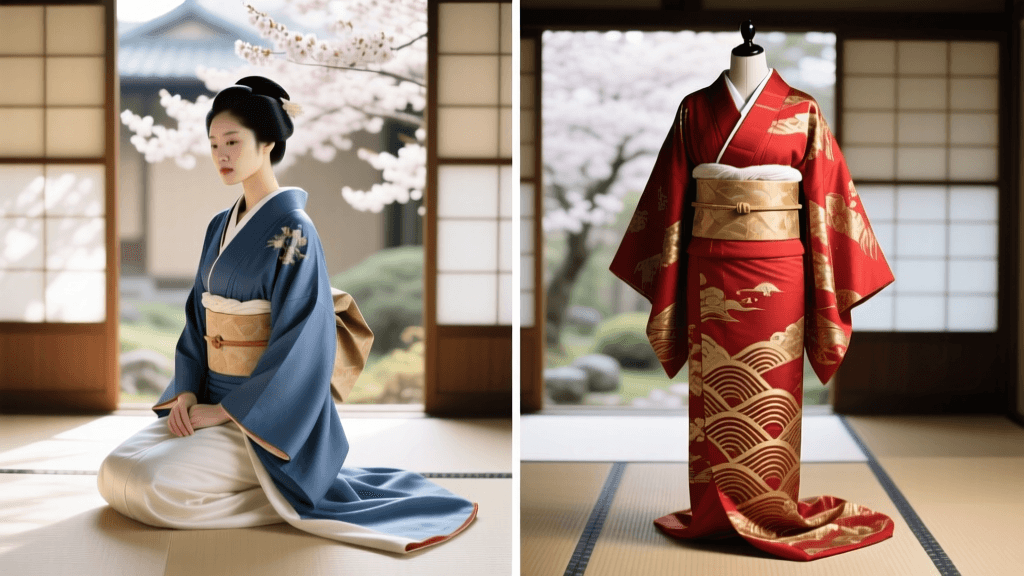
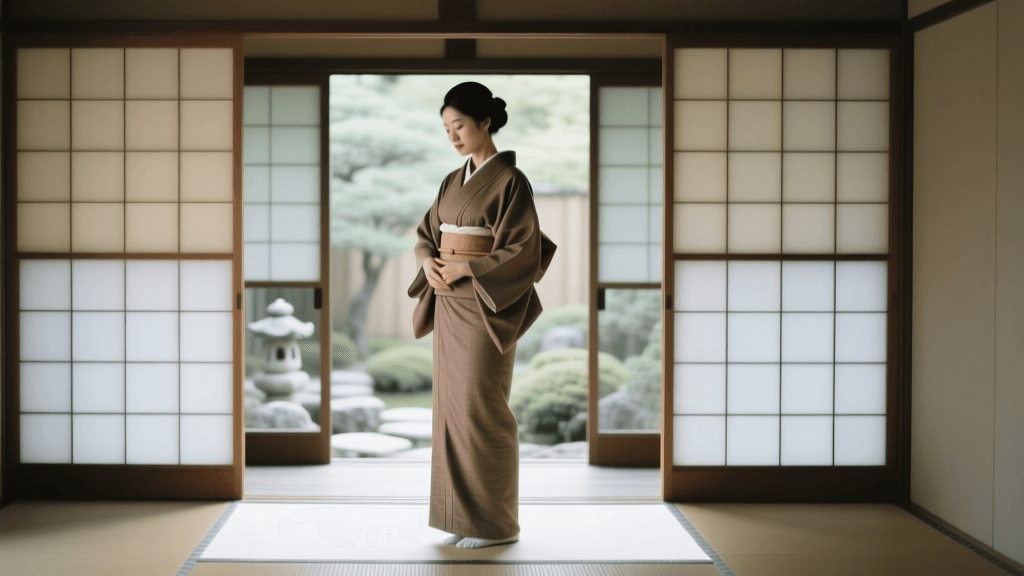
In an era dominated by instant gratification and hyper-accelerated trend cycles, the traditional Japanese art of kitsuke—the precise and deliberate dressing of the kimono—has emerged as a powerful antidote to modern burnout. As we navigate the wellness landscape of 2026, mindfulness practices are increasingly being integrated into daily routines that emphasize intentionality over speed. Kitsuke, historically viewed as a complex sartorial requirement, is now being embraced globally as a moving meditation. The physical act of wrapping, folding, and tying traditional garments demands a level of presence that naturally lowers the heart rate and centers the mind.
According to the National Center for Complementary and Integrative Health, mindfulness meditation involves focusing on the present moment, which has been shown to reduce stress, improve sleep, and enhance overall emotional regulation. When applied to the meticulous process of kimono dressing, every adjustment of the collar and every tie of the koshihimo (waist cord) becomes a grounding exercise. This fusion of heritage and mental health represents a significant shift in how we interact with our wardrobes, transforming a daily chore into a sacred ritual of self-care.
Sourcing Slow Fashion: Vintage Kimono Silk for Wellness
Central to the kitsuke mindfulness movement is the ethos of slow fashion. The environmental toll of fast fashion is well-documented, and in 2026, conscious consumers are actively seeking sustainable, circular alternatives. Vintage kimono silk offers an exquisite solution. Wearing a pre-loved garment connects the practitioner to a lineage of artisans and previous owners, adding a layer of historical reverence to the meditation practice.
When sourcing vintage kimono for your wellness routine, prioritize natural fibers such as chirimen (crepe silk) for cooler months, and ro or sha (woven gauze) for the summer. In 2026, the market for authenticated vintage kimono has matured, making it easier to find high-quality pieces without supporting new resource extraction. A well-maintained vintage komon (everyday patterned kimono) typically ranges from 8,000 to 15,000 JPY ($55 to $105 USD) at curated online slow-fashion markets and specialized antique textile fairs. Look for pieces that resonate with your personal aesthetic, as the visual harmony of the garment contributes to the psychological calming effect of the ritual.
As highlighted by the Victoria and Albert Museum, the kimono is not merely a piece of clothing but a canvas of cultural expression and master craftsmanship. By choosing to wrap yourself in a vintage silk garment, you are participating in the preservation of these techniques while rejecting the disposable nature of contemporary apparel.
The 25-Minute Kitsuke Meditation Routine
To fully experience the mental health benefits of this practice, it is essential to approach kitsuke not as a race to get dressed, but as a dedicated block of time for oneself. Allocate exactly 25 minutes for this routine in a quiet, uncluttered space. Ensure you have a full-length mirror, your selected kimono, a nagajuban (under-kimono), datejime (under-belts), koshihimo (waist cords), and an obi of your choice.
Phase 1: Grounding and Preparation (Minutes 1-5)
Begin by sitting in seiza (kneeling position) or cross-legged on a tatami mat or comfortable rug. Close your eyes and take five deep, diaphragmatic breaths. This initial grounding separates the act of dressing from the stress of your daily obligations. Slowly put on your tabi (split-toe socks), paying attention to the sensation of the fabric against your skin. Next, don your hadajuban (undergarment) and nagajuban. As you tie the first koshihimo around your waist, visualize it as a boundary that secures your inner peace, keeping external anxieties at bay.
Phase 2: The Breath and the Wrap (Minutes 6-15)
Drape the kimono over your shoulders. Align the center seam of the back panel with your spine, using this physical alignment as a metaphor for centering your own posture and mindset. Slip your arms into the sleeves. The critical moment of mindfulness occurs when you adjust the eri (collar). The collar must form a perfect V-shape at the back of the neck, allowing exactly one fist of space between the fabric and your skin. This requires deep concentration and fine motor control, forcing your brain to abandon wandering thoughts.
Bring the left side of the kimono over the right side—a strict cultural rule, as the reverse is reserved for dressing the deceased. Secure the fabric at your hips with a koshihimo. Next, create the ohashori, the fold of excess fabric at the waist. In 2026, modern wellness practitioners recommend an ohashori depth of precisely 4 to 5 centimeters. Smoothing out this fold requires you to run your hands deliberately across your torso, a tactile sensation that promotes bodily awareness and grounding.
Phase 3: Securing the Obi and Reflection (Minutes 16-25)
Wrap your datejime to secure the ohashori, then move to the obi. Whether you are tying a simple bunko (bow) or a more complex taiko musubi (drum knot), the wrapping of the obi requires core engagement and controlled breathing. You cannot hold your breath while tying a secure knot; you must breathe rhythmically with your movements. Once the obi is secured and the obijime (decorative cord) is centered, step back and observe your reflection. Spend the final three minutes simply standing in stillness, feeling the gentle, comforting compression of the silk and the structural support of the obi. This deep pressure therapy mimics the effects of a weighted blanket, signaling to your nervous system that you are safe and centered.
Mindfulness Benefits: Kitsuke vs. Fast Fashion Dressing
The contrast between throwing on mass-produced fast fashion and engaging in the kitsuke ritual is stark, both psychologically and physiologically. The table below outlines the distinct differences observed in daily dressing habits in 2026.
| Metric | Fast Fashion Routine | Kitsuke Mindfulness Ritual |
|---|---|---|
| Time Allocation | 3 to 5 minutes (rushed) | 25 minutes (deliberate) |
| Cognitive State | Distracted, planning the day ahead | Focused, present-moment awareness |
| Physical Sensation | Often synthetic, restrictive, or ill-fitting | Natural silk, structured support, deep pressure |
| Emotional Outcome | Neutral or stressed due to time pressure | Calm, grounded, and culturally connected |
| Environmental Impact | Supports linear, wasteful production cycles | Supports circular, vintage slow fashion markets |
Garment Care as a Meditative Extension
The mindfulness of kitsuke does not end when you undress. The proper care of a kimono is an extension of the slow fashion philosophy and offers another opportunity for meditative practice. Unlike modern garments that are carelessly tossed into washing machines, a silk kimono requires gentle, intentional maintenance. After wearing, the kimono must be hung on a specialized wide wooden hanger (emono) to air out for several hours, allowing the silk fibers to breathe and release any absorbed moisture.
Once aired, the garment is meticulously folded along its pre-creased seams into a rectangular shape called a tato. This folding process requires spatial awareness and a gentle touch. Storing the folded kimono in a paulownia wood box or a breathable cotton tatoushi (wrapping paper) protects it from humidity and pests. Engaging in this weekly care routine fosters a deep sense of gratitude for the materials and the labor that created them, reinforcing the slow fashion mindset and prolonging the life of the garment for future generations.
Conclusion
The 2026 resurgence of kitsuke as a mindfulness practice highlights a profound cultural shift toward intentional living. By treating the act of dressing in a traditional kimono not as a costume or a chore, but as a daily meditation, practitioners can reclaim their time, center their minds, and support sustainable fashion ecosystems. The gentle rustle of vintage silk, the precise alignment of the collar, and the secure embrace of the obi combine to create a sanctuary of calm in a chaotic world. Embracing this slow fashion ritual is a powerful step toward holistic wellbeing, proving that true wellness is often found in the deliberate preservation of the past.