Traditional Chinese Footwear 2026: Cloud Shoes & Boots Guide
The 2026 Xin Zhongshi Footwear Renaissance
The global fashion landscape in 2026 has fully embraced the Xin Zhongshi (New Chinese Style) movement, transforming heritage garments from niche historical reenactments into everyday luxury streetwear. At the forefront of this sartorial revolution is traditional Chinese footwear. No longer confined to museum archives or theatrical stages, pieces like the iconic cloud-head shoe and the elegant scholar boot are now being engineered with modern ergonomics and sustainable textiles. According to recent market analyses by Jing Daily's luxury and fashion market reports, the demand for heritage-inspired footwear has surged significantly in the Asian luxury sector this year alone, driven by a younger demographic eager to reconnect with their cultural roots while maintaining contemporary comfort.
For collectors, Hanfu enthusiasts, and fashion-forward individuals, understanding the nuances of traditional Chinese footwear is essential. This comprehensive guide explores the history, modern adaptations, sizing, and maintenance of cloud shoes, traditional boots, and the latest innovations defining the market in 2026.
The Iconic Cloud-Head Shoe (Yuntoulu)
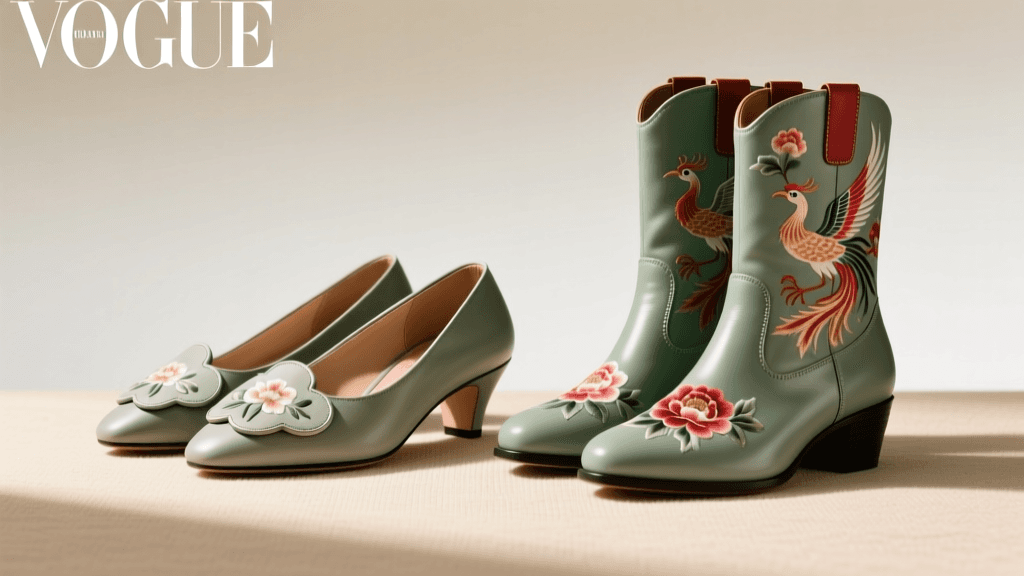
The Yuntoulu, commonly known as the cloud-head shoe, is arguably the most recognizable silhouette in traditional Chinese footwear. Characterized by its dramatically upturned toe that resembles a ruyi scepter or auspicious clouds, this design was historically prevalent during the Ming and Qing dynasties. The upturned toe was not merely decorative; it served a practical purpose by protecting the delicate silk embroidery on the vamp from scuffs and dirt while walking on unpaved roads.
In 2026, contemporary artisans have reimagined the Yuntoulu for urban environments. While the traditional silk and satin uppers remain popular for formal events and weddings, everyday versions now feature water-resistant vegan silks and reinforced toe caps. The intricate embroidery—often depicting peonies for wealth, cranes for longevity, or lotuses for purity—is now frequently executed using high-tensile, colorfast metallic threads that resist tarnishing. For a deeper historical understanding of the textiles and motifs used in these garments, the Victoria and Albert Museum's Asian Collections provides an excellent digital archive of Qing dynasty footwear and textile arts.
Traditional Boots: From Equestrian Roots to Urban Streets
While cloud shoes dominate the feminine and scholarly aesthetics, traditional boots offer a robust, grounded alternative. The Xuezi (scholar boot) and the Qingtou (Manchu platform shoe) represent two distinct lineages of Chinese footwear that have seen massive revivals in the 2026 Xin Zhongshi collections.
The Xuezi (Scholar Boot)
Originally designed for scholars and officials, the Xuezi boot features a thick, multi-layered cotton sole and a sleek, ankle-high upper made of black or indigo brocade. In 2026, designers have replaced the heavy, rigid cotton soles with lightweight EVA foam and natural rubber composites, providing the shock absorption necessary for navigating modern concrete landscapes. The uppers often feature subtle, tone-on-tone jacquard weaving, offering a minimalist luxury that pairs seamlessly with modern wide-leg trousers and tailored trench coats.
The Qingtou (Platform Shoe)
The Manchu platform shoe, known for its elevated, pedestal-like wooden sole, was historically worn by elite women to restrict their gait to a delicate, swaying motion. Today's 2026 iterations maintain the striking visual height but utilize hollowed-out, sustainable cork and lightweight polyurethane to drastically reduce the weight. Ergonomic arch support and memory foam insoles have been integrated, allowing wearers to comfortably attend international design weeks and fashion events without the historical discomfort.
2026 Traditional Footwear Comparison Chart
When building a heritage-inspired wardrobe, it is crucial to select the right footwear for the occasion. Below is a comparison of the most prominent styles available this year.
| Footwear Style | Historical Era | Best 2026 Use Case | Average Price Range (USD) |
|---|---|---|---|
| Yuntoulu (Cloud Shoe) | Ming / Qing | Weddings, Formal Hanfu, Gallery Openings | $120 - $350 |
| Xuezi (Scholar Boot) | Ming | Daily Streetwear, Office, Winter Styling | $85 - $220 |
| Qingtou (Platform) | Qing | Fashion Editorials, Runway, Evening Events | $150 - $400 |
| Gongxie (Court Shoe) | Song / Ming | Tea Ceremonies, Meditation, Casual Wear | $60 - $150 |
Sizing and Fit Guide for Modern Buyers
One of the most common challenges for international buyers in 2026 is navigating Chinese footwear sizing, which differs significantly from US and EU standards. Traditional footwear often runs slightly narrower in the toe box, particularly in authentic reproductions that prioritize historical silhouette accuracy over modern wide-fit trends.
- Measurement: Always measure your foot in centimeters at the end of the day when your feet are slightly swollen. Compare your exact CM measurement to the brand's specific size chart rather than relying on generic US/EU conversions.
- Width Considerations: If you have a wide foot, it is highly recommended to size up by half a centimeter when purchasing Yuntoulu (cloud shoes), as the structured embroidery around the toe box does not stretch like modern knitwear.
- Insole Allowance: For winter Xuezi boots, account for the thickness of thermal socks. Many 2026 boutique brands now offer removable insoles, allowing you to swap in custom orthotics if necessary.
The Anatomy of 2026 Sustainable Brocades
The textile industry has made massive strides in sustainability, and the Xin Zhongshi footwear market is no exception. In 2026, the most sought-after cloud shoes and boots are crafted from 'New Brocade'—a proprietary blend of recycled polyester, peace silk (Ahimsa silk), and organic cotton. These fabrics mimic the heavy, lustrous drape and intricate light-refraction of historical Song and Ming brocades but are entirely cruelty-free and machine-washable on delicate cycles. Furthermore, natural plant-based dyes derived from indigo, madder root, and gardenia are being utilized to achieve the rich crimson, azure, and ochre hues historically reserved for royalty, without the heavy metal runoff associated with synthetic dyes.
Care and Maintenance of Silk and Brocade Footwear
Proper maintenance is vital to preserve the structural integrity and vibrancy of traditional footwear. Even with modern material advancements, embroidered silk and brocade require specialized care. For comprehensive historical context on how these garments were originally constructed and preserved, the Metropolitan Museum of Art's Heilbrunn Timeline of Art History offers invaluable insights into Qing dynasty textile conservation.
Step-by-Step Cleaning Guide
- Dry Dusting: After every wear, use a soft-bristled horsehair brush to gently remove dust and debris from the embroidery. Never use a wet cloth on raw silk, as it will leave permanent water spots.
- Spot Cleaning: For minor scuffs on the fabric upper, use a microfiber cloth lightly dampened with distilled water and a drop of pH-neutral baby shampoo. Dab gently; never rub, as this will fray the metallic embroidery threads.
- Sole Maintenance: Traditional multi-layered cotton soles are susceptible to moisture and mold. If you purchase authentic cotton-soled shoes, apply a modern waterproofing spray designed for natural fibers before your first wear. Rubber and EVA soles can be wiped down with a standard sneaker cleaner.
Step-by-Step Storage Guide for Seasonal Rotation
When transitioning between seasons, improper storage can lead to warping, discoloration, and pest damage. Follow these steps to ensure your footwear remains pristine:
- Shape Retention: Stuff the toe box and ankle shaft of boots with acid-free tissue paper. Avoid using newspaper, as the ink can transfer onto the delicate inner linings, and avoid plastic inserts which trap moisture.
- Environment: Store your footwear in breathable cotton dust bags in a cool, dark closet. UV light is the primary enemy of natural plant dyes and silk, causing rapid fading.
- Pest Deterrence: Place natural cedar blocks or dried mugwort sachets in the storage area to repel silverfish and moths. Avoid chemical mothballs, as their harsh odor will permanently permeate the silk fibers.
Styling Traditional Footwear in 2026
The beauty of the 2026 Xin Zhongshi movement lies in its versatility. You no longer need to wear a full, historically accurate Hanfu set to appreciate traditional footwear. Cloud-head shoes look striking when paired with modern, high-waisted pleated skirts and minimalist silk blouses, creating a harmonious blend of ancient elegance and contemporary chic. Xuezi boots are the perfect anchor for oversized linen tunics, wide-leg denim, and structured wool overcoats, providing a grounded, intellectual aesthetic that bridges the gap between Eastern heritage and Western tailoring.
As we move through 2026, the integration of traditional Chinese footwear into the global wardrobe is not just a passing trend; it is a profound cultural reclamation. By investing in high-quality, sustainably made cloud shoes and boots, and by caring for them with the respect they deserve, you are actively participating in the living history of Asian sartorial traditions.