Top Hanfu Certification Programs & Workshops for 2026
The Renaissance of Hanfu Education in 2026
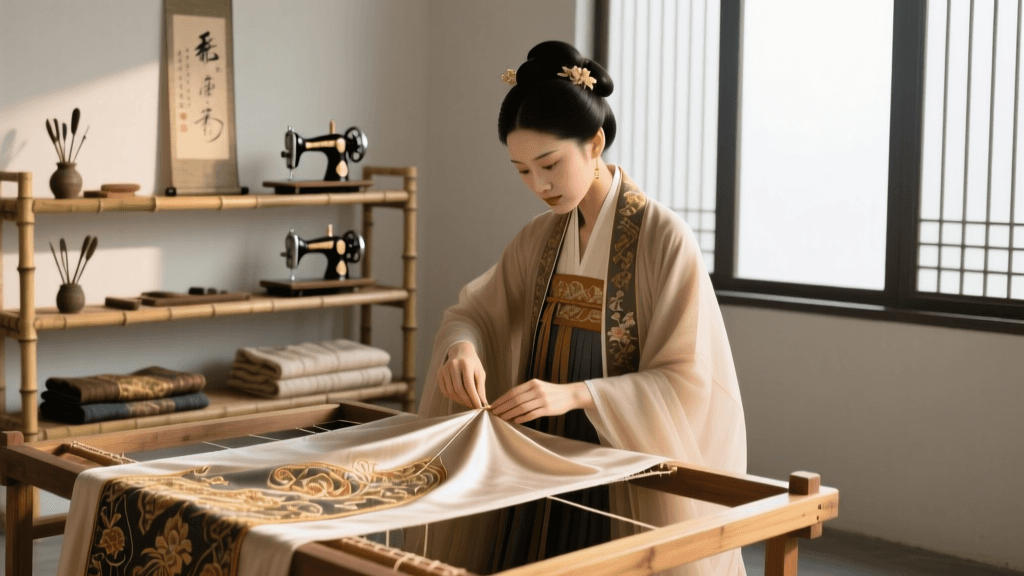
Over the past decade, the Hanfu movement has transformed from a niche internet subculture into a global cultural phenomenon. As noted by BBC Travel, the desire to reconnect with traditional Chinese heritage has driven millions to embrace historical dress. However, as we navigate 2026, the industry has matured significantly. Enthusiasts are no longer satisfied with merely purchasing garments; there is a surging demand for deep, structural knowledge. This has given rise to formalized Hanfu education workshops and rigorous certification programs designed to train the next generation of historians, tailors, and cultural stylists.
Today, Hanfu certification is a respected credential in the Asian traditions sector. Whether you are a costume designer for historical television dramas, a luxury e-commerce entrepreneur, or a cultural heritage preservationist, obtaining a recognized certification in 2026 validates your expertise in traditional Chinese flat-cutting, dynastic accuracy, and textile science.
Core Pillars of Hanfu Certification Programs
Modern Hanfu education is not merely about sewing; it is an interdisciplinary study of history, philosophy, and material science. According to the Metropolitan Museum of Art, traditional Chinese dress is deeply intertwined with social hierarchy, cosmological beliefs, and regional textile innovations. Consequently, top-tier certification programs in 2026 focus on three core pillars:
- Historical Pattern Drafting: Unlike Western tailoring, which relies on darts and structured seams to contour the body, traditional Hanfu utilizes a flat-cutting system. Students learn to draft patterns that preserve the integrity of the woven fabric, mastering techniques like the Jiaoling Youren (cross-collar right lapel), which symbolizes the harmony of Yin and Yang. Furthermore, students study the Shenyi (deep robe), a one-piece garment that physically and philosophically represents the connection between heaven and earth through its unified upper and lower construction.
- Textile Science and Intangible Heritage: Authentic Hanfu requires specific fabrics. Programs now include intensive modules on identifying and working with heritage textiles such as Xiangyunsha (gambiered Canton gauze), Kesi (cut silk tapestry), and Song brocade. This aligns directly with the preservation goals outlined by the UNESCO Intangible Cultural Heritage framework, ensuring that ancient weaving techniques are passed down to modern artisans.
- Dynastic Nuance and Styling: A certified expert must distinguish between the voluminous, cosmopolitan silhouettes of the Tang Dynasty, the slender, elegant lines of the Song Dynasty, and the structured, ornate layers of the Ming Dynasty. Understanding these nuances is critical for accurate historical representation.
Top Hanfu Certification Programs for 2026
For those looking to formalize their expertise, several premier institutions have updated their curricula for 2026. Here are the most sought-after programs available this year:
1. The Hangzhou Institute of Traditional Apparel (In-Person Intensive)
Located near the historic silk weaving districts of Hangzhou, this 12-week immersive program is the gold standard for physical tailoring. The 2026 curriculum places a heavy emphasis on Ming Dynasty Mamianqun (horse-face skirts) and the complex pleating techniques required to make them functional and historically accurate. Students spend 40 hours a week in the studio, learning hand-finishing, invisible stitching, and traditional fabric manipulation. Graduates receive the Master Tailor Certificate, highly prized by film studios and high-end bridal houses.
2. Global Virtual Hanfu Styling & Media Academy (Online/Hybrid)
Designed for international students, fashion journalists, and e-commerce directors, this 8-week online certification focuses on the visual and commercial application of Hanfu. The 2026 syllabus includes modules on historical accuracy in digital media, styling for modern editorial photoshoots, and sourcing authentic vintage textiles. The hybrid option includes a final two-week practicum in Xi'an, where students style live models against historical backdrops for their professional portfolio.
3. Suzhou Intangible Heritage Textile Lab (Masterclass)
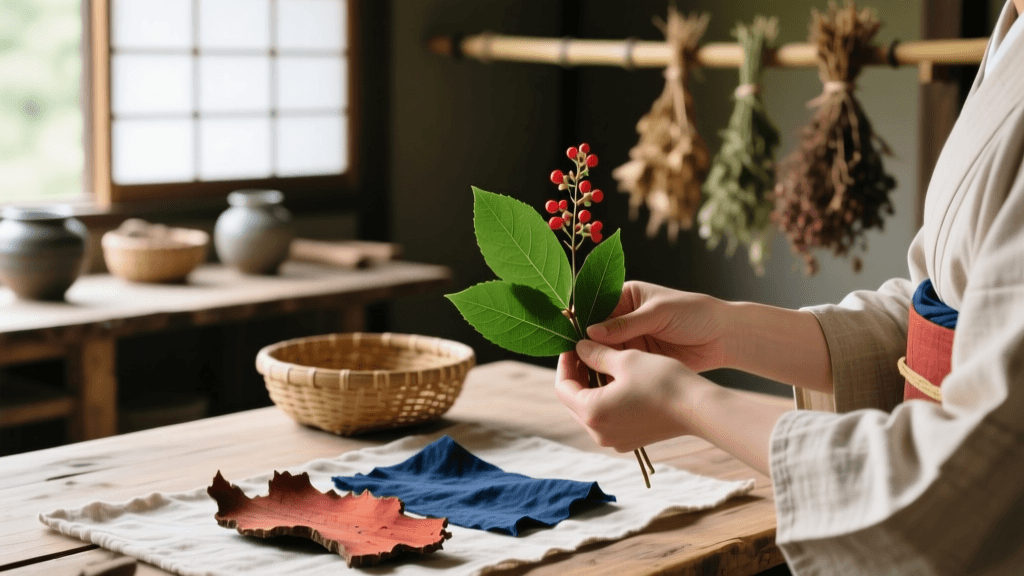
This exclusive 4-week masterclass is strictly limited to 15 students per cohort. It focuses entirely on the creation and preservation of heritage fabrics. Students learn the grueling, multi-step process of dyeing silk with river mud and gambier juice to create authentic Xiangyunsha. This program is less about garment construction and more about material creation, making it ideal for textile conservators and luxury brand founders.
Comparative Guide: 2026 Hanfu Certification Programs
| Program Name | Location | Duration | Primary Focus | 2026 Tuition (USD) |
|---|---|---|---|---|
| Hangzhou Institute Intensive | Hangzhou, China | 12 Weeks | Pattern Drafting & Tailoring | $4,800 |
| Global Virtual Styling Academy | Online / Xi'an | 8 Weeks | Media Styling & E-Commerce | $1,450 |
| Suzhou Textile Lab Masterclass | Suzhou, China | 4 Weeks | Heritage Dyeing & Weaving | $7,200 |
Career Opportunities Post-Certification
Investing in a Hanfu certification in 2026 opens doors to a rapidly expanding global market. The cultural tourism sector in Asia has seen a massive resurgence, with historical sites requiring certified wardrobe consultants to manage interactive visitor experiences. Furthermore, the global boom of C-dramas (Chinese historical dramas) on international streaming platforms has created a severe shortage of historically accurate costume supervisors. Certified professionals are frequently hired as on-set consultants to ensure that the Aoqun (jacket and skirt) ensembles and hair accessories match the specific dynasty being portrayed.
Additionally, luxury fashion houses are increasingly looking to Asian traditions for inspiration. A certification provides the historical authority needed to consult for global brands, ensuring cultural appreciation rather than appropriation when integrating traditional motifs into modern collections. A highly lucrative niche that has emerged in 2026 is the "Hanfu Travel Wardrobe Consultant," where certified stylists curate historically appropriate, yet travel-friendly, garment collections for high-net-worth individuals visiting heritage sites across Asia.
How to Choose the Right Program
When selecting a workshop, consider your end goal. If you wish to launch a bespoke Hanfu label, the in-person tailoring intensives in Hangzhou are non-negotiable; you must understand how traditional fabrics drape and move on the human body. If your focus is on fashion journalism, content creation, or museum curation, the Global Virtual Styling Academy offers the necessary historical framework and visual vocabulary without requiring you to master the sewing machine.
Finally, verify the accreditation of the program. In 2026, the most respected certificates are co-signed by regional Intangible Cultural Heritage bureaus and recognized textile universities. Ensure the program provides access to authentic archival materials and offers bilingual instruction if Mandarin is not your first language. By choosing the right educational path, you position yourself at the forefront of one of the most dynamic and culturally significant movements in global fashion today.