Kimono Mindfulness: Slow Fashion and Wellness Rituals 2026
The Renaissance of Kitsuke in Modern Wellness
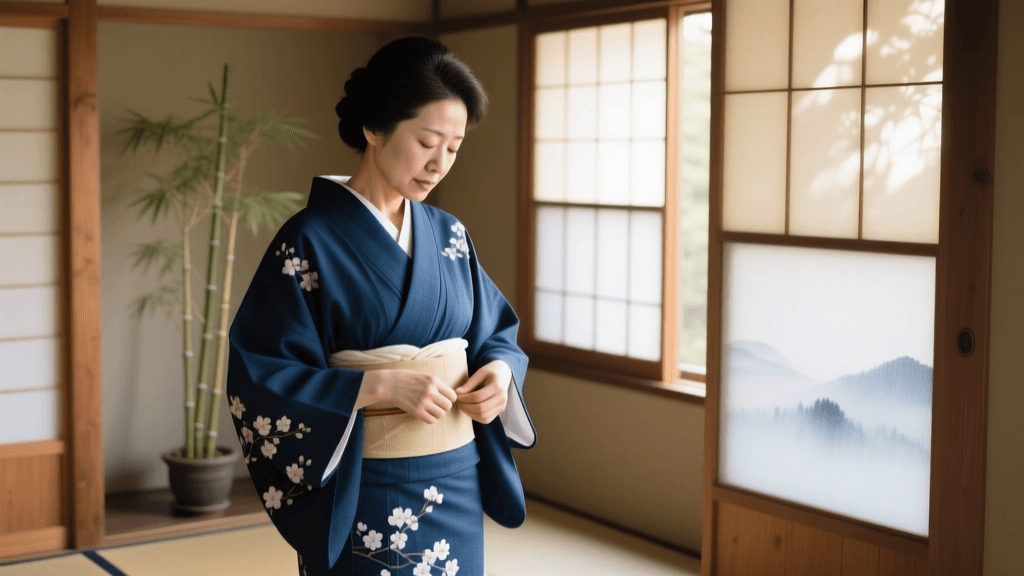
In 2026, the global wellness industry has increasingly recognized the profound psychological benefits of moving meditation. While yoga, tai chi, and forest bathing often dominate this conversation, the traditional Japanese art of kitsuke (kimono dressing) is emerging as a powerful, culturally rich alternative for mental grounding. Far from being a mere sartorial choice, the act of wrapping oneself in layers of silk, cotton, or hemp is a deliberate, tactile ritual that demands presence, patience, and deep breathing. As modern consumers experience severe digital fatigue, the analog, multi-sensory process of kitsuke offers a sanctuary of mindfulness, bridging the gap between ancient Asian traditions and contemporary mental health practices.
The Psychology of Slow Dressing
The concept of enclothed cognition—the psychological phenomenon where the clothes we wear influence our mental state—has been extensively documented by behavioral scientists. When you engage in kitsuke, you are not simply putting on a garment; you are constructing an architecture around your body that dictates your posture, your gait, and your breath. According to Harvard Health, mindfulness practices that incorporate physical movement and tactile grounding are highly effective in reducing cortisol levels and alleviating anxiety. The precise folding of the juban (undergarment), the careful alignment of the eri (collar), and the firm, stabilizing tie of the koshihimo (waist ties) require a level of focused attention that naturally pulls the mind away from ruminative thoughts and anchors it in the present moment.
Kimono as the Pinnacle of 2026 Slow Fashion
Beyond personal wellbeing, the kimono stands as the ultimate antidote to the environmental and psychological toll of fast fashion. As of 2026, the circular fashion movement has shifted from a niche interest to a global imperative. The Ellen MacArthur Foundation continues to highlight the necessity of designing out waste and keeping materials in use, principles that have been inherent to the kimono for centuries. A single, well-cared-for silk kimono can be worn, unwoven, and re-dyed across multiple generations. Furthermore, the United Nations Environment Programme (UNEP) advocates for traditional, low-impact textile practices as a viable pathway to sustainable global fashion. By choosing to wear, maintain, and upcycle vintage kimono, practitioners in 2026 are actively participating in a zero-waste lifestyle that honors both the planet and the artisans who weave these masterpieces.
A Step-by-Step Mindful Kitsuke Routine
To transform your daily dressing routine into a wellness ritual, approach kitsuke not as a chore, but as a dedicated period of self-care. Allocate 30 to 45 minutes in a quiet, naturally lit space, free from digital interruptions.
Phase 1: Grounding and Preparation
Begin by laying out your garments in the order they will be worn: hadajuban (skin undergarment), nagajuban (robe), the main kimono, koshihimo (ties), datejime (wide sash), and the obi. This physical preparation mirrors mental preparation. Take five deep, diaphragmatic breaths, feeling the texture of the silk or linen beneath your fingertips. Acknowledge the transition from the external world to your internal sanctuary.
Phase 2: The Architecture of the Juban
As you slip on the nagajuban, focus on your posture. The kimono requires a straight, aligned spine to drape correctly. Roll your shoulders back and lengthen your neck. When adjusting the collar to show the precise amount of nukinuki (the space at the back of the neck), use a hand mirror and move with deliberate slowness. This micro-focus trains the brain to appreciate precision over speed.
Phase 3: The Obi as a Centering Anchor
Tying the obi is the most physically demanding and mentally focusing part of kitsuke. As you wrap the sash around your core, engage your abdominal muscles and exhale slowly. The gentle, firm pressure of the obi against your torso provides deep pressure stimulation, akin to a weighted blanket, which is known to soothe the nervous system. Secure the knot with intention, viewing it as the sealing of your mindful practice for the day.
Comparing Fast Fashion to Mindful Kitsuke
The contrast between modern, mass-produced dressing and traditional kitsuke highlights a profound shift in how we relate to our garments and our mental health.
| Aspect | Fast Fashion Routine | Mindful Kitsuke Ritual |
|---|---|---|
| Time Investment | 5 to 10 minutes | 30 to 45 minutes |
| Mental State | Rushed, utilitarian, distracted | Centered, meditative, present |
| Posture and Breath | Ignored, shallow breathing | Spinal alignment, deep diaphragmatic breathing |
| Garment Lifespan | 1 to 3 years before disposal | Generational (100+ years with proper care) |
| Environmental Impact | High waste, microplastic shedding | Zero waste, biodegradable natural fibers |
| Tactile Experience | Synthetic, uniform textures | Rich, varied weaves (crepe, rinzu, tsumugi) |
The Meditative Practice of Tatou (Folding)
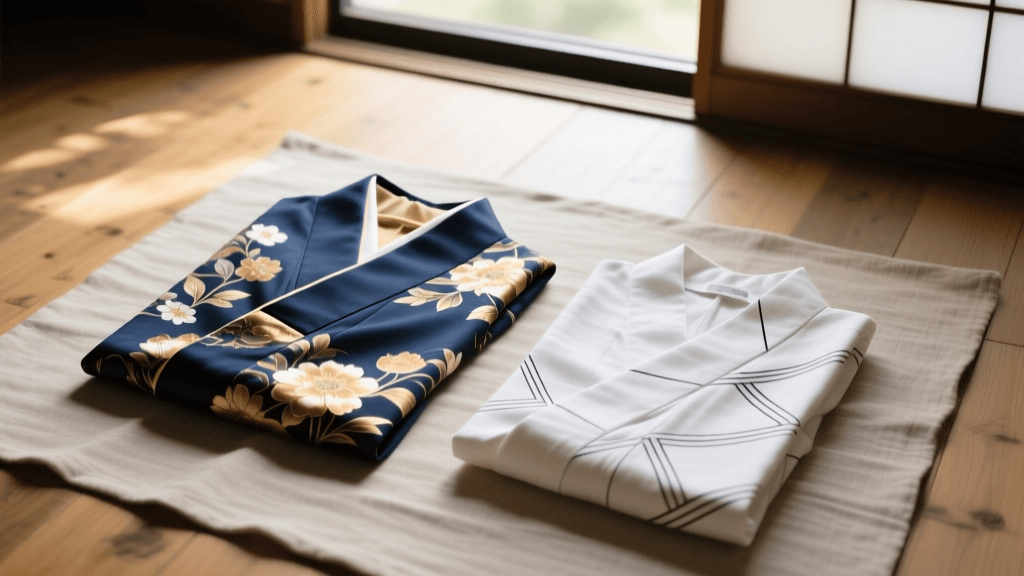
The wellness benefits of the kimono extend far beyond the act of wearing it; they are deeply embedded in its maintenance. Tatou, the traditional method of folding a kimono, is a geometric meditation. Unlike Western clothing, which is often haphazardly tossed into drawers, a kimono is folded along precise, pre-determined seams into a perfect, flat rectangle. This process protects the fabric from stress and creasing while offering the practitioner a soothing, repetitive task that promotes cognitive clarity. In 2026, many wellness retreats in Kyoto and Kanazawa have begun incorporating tatou workshops into their digital detox programs, recognizing the profound calming effect of organizing and caring for one's possessions by hand.
Sourcing Ethical and Vintage Kimono in 2026
Embracing kimono mindfulness does not require purchasing expensive, brand-new silk garments. In fact, the most sustainable and mindful approach is to engage with the thriving secondhand and vintage market. Platforms specializing in pre-loved kimono have introduced advanced AI-driven search filters in 2026, allowing users to sort by era, weave type, and even the specific artisan region, such as Nishijin-ori or Yuki-tsumugi. When you purchase a vintage kimono, you are rescuing a piece of history and extending its lifecycle. For those seeking new garments, look for cooperatives that support aging artisans, ensuring that the slow fashion ecosystem remains economically viable for the weavers and dyers who keep these Asian traditions alive.
Conclusion: Weaving Wellbeing into Daily Life
The integration of kitsuke into a modern wellness routine is a testament to the enduring wisdom of Asian traditions. By choosing to engage with the kimono, we reject the disposable, hyper-accelerated culture of the 21st century in favor of a slower, more intentional way of living. The mindful wrapping of silk and cotton becomes a daily armor against stress, a physical manifestation of self-respect, and a commitment to the health of our planet. As you adjust your collar and tie your obi tomorrow morning, remember that you are not just getting dressed; you are participating in a centuries-old ritual of peace, presence, and profound wellbeing.