Kimono Kitsuke Mindfulness: Slow Fashion Wellness Rituals 2026
The Intersection of Kitsuke and Mental Wellbeing
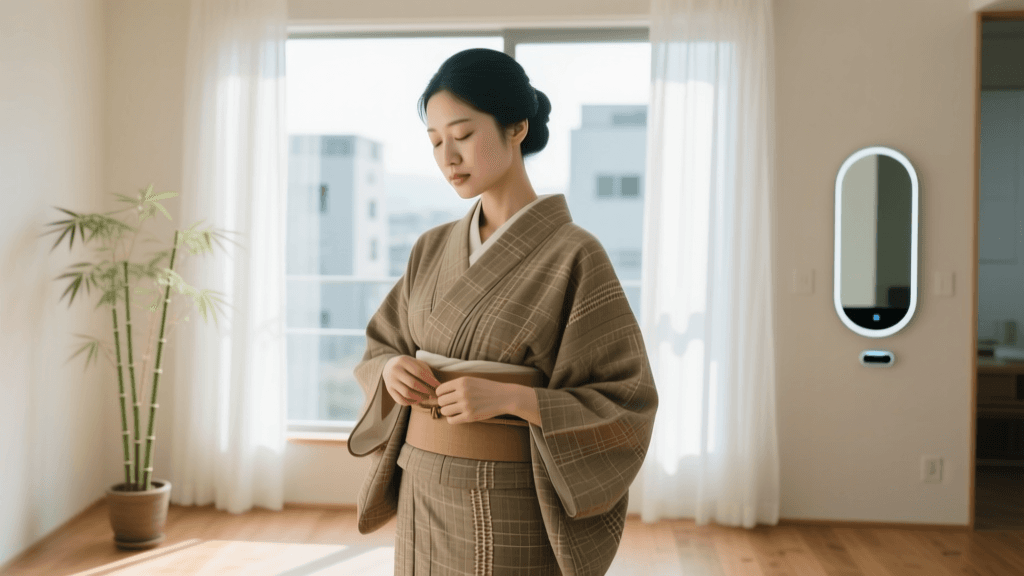
In 2026, the global conversation around mental health has increasingly turned toward somatic practices and analog rituals to combat severe digital fatigue. As screens dominate our professional and social lives, the act of getting dressed has largely been reduced to a thoughtless, rushed necessity dominated by synthetic fast fashion. However, a growing wellness movement is reclaiming the traditional Japanese art of kitsuke (kimono dressing) as a profound mindfulness practice. According to the American Psychological Association, mindfulness involves maintaining a moment-by-moment awareness of our thoughts, feelings, bodily sensations, and surrounding environment. Kitsuke demands exactly this level of presence. The meticulous layering, folding, and tying required to wear a kimono correctly cannot be done while scrolling through a smartphone or rushing out the door. It forces the practitioner into a state of active meditation, grounding the nervous system and lowering cortisol levels before the day even begins.
Furthermore, the physical mechanics of kitsuke offer unique therapeutic benefits. The firm, even pressure of the obi (sash) wrapped around the core provides a form of deep pressure stimulation, similar to the calming effects of a weighted blanket. This gentle compression stimulates the parasympathetic nervous system, promoting a state of rest and digestion, and helping to alleviate morning anxiety.
The Sensory Experience of Slow Fashion
The modern slow fashion movement advocates for a deeper, more intentional relationship with our clothing. As highlighted by Fashion Revolution, true sustainability in fashion is not just about eco-friendly materials; it is about shifting our mindset from viewing clothes as disposable commodities to valuing them as crafted artifacts. When you engage in mindful kitsuke, you are interacting with natural, breathable fibers—silk, hemp, ramie, and cotton. The tactile sensation of smoothing a vintage silk chirimen (crepe) kimono, the crisp rustle of a hemp nagajuban (undergarment), and the firm, supportive pressure of the sash provide rich sensory feedback.
This tactile engagement pulls the mind out of anxious rumination and anchors it in the physical body. In an era where most clothing is made from petroleum-based plastics that disconnect us from the natural world, wrapping oneself in naturally dyed, hand-woven textiles is a radical act of ecological and personal wellness. You are not just wearing a garment; you are experiencing the result of silkworms, indigo farmers, and master weavers, connecting your daily routine to a much larger, slower ecosystem.
Your 2026 Mindful Kitsuke Routine: A Step-by-Step Guide
To transform your morning dressing routine into a wellness ritual, allocate 45 minutes of uninterrupted time. Treat this period as you would a yoga session or a morning meditation. Silence your phone and play ambient nature sounds or traditional shakuhachi (bamboo flute) music if it helps you focus.
1. Grounding and Preparation (5 Minutes)
Begin by laying out your kimono ensemble the night before. This prevents decision fatigue in the morning and ensures all himo (cords) and accessories are ready. Start your routine with three minutes of deep, diaphragmatic breathing. Stand in front of a full-length mirror, barefoot on a natural tatami mat or a soft cotton rug. Acknowledge your posture, relax your shoulders, and set a clear, positive intention for the day ahead.
2. The Foundation Layers (10 Minutes)
Put on the hadajuban (the innermost cotton undergarment) and the susoyoke (half-slip). Focus entirely on the sensation of the soft cotton against your skin. Next, don the nagajuban. As you tie the datejime (under-sash) around your waist, synchronize your breath with your movements. Inhale as you reach for the fabric, and exhale slowly as you pull it snug. This rhythmic breathing mimics the calming effects of pranayama in yoga, preparing your mind for deeper focus.
3. The Main Garment and Alignment (15 Minutes)
Drape the main kimono over your shoulders. The back seam must align perfectly with the center of your spine—use this as a physical cue for postural alignment and mental centeredness. Bring the front panels together, ensuring the left side overlaps the right (a crucial rule in Japanese culture, as the reverse is reserved for the deceased). Use your koshihimo (tying cords) to secure the waist. The tightness should be firm enough to support your lower back but loose enough to allow deep, unrestricted breathing. This step requires intense spatial awareness, naturally quieting the mind's background chatter.
4. The Obi as a Centering Anchor (15 Minutes)
The obi is the heart of the kimono. Whether you are tying a simple taiko musubi (drum knot) or a more complex bunko musubi (bow knot), the process is a masterclass in patience. Folding the stiff, brocaded silk requires deliberate finger strength and precision. As you secure the final obi-jime (decorative cord), take a final deep breath. Look in the mirror not to judge your appearance, but to appreciate the architecture of the garment and the mindful effort you invested in the ritual.
Fast Fashion vs. Mindful Kitsuke: A 2026 Comparison
To understand the profound impact of this practice, consider how it contrasts with the typical modern dressing experience.
| Metric | Typical Fast Fashion Routine | Mindful Kitsuke Ritual |
|---|---|---|
| Time Investment | 3 to 5 minutes | 35 to 45 minutes |
| Mental State | Rushed, distracted, multitasking | Focused, present, single-tasking |
| Material Connection | Synthetic blends, microplastics | Natural silk, hemp, cotton, wool |
| Posture & Body Awareness | Minimal physical engagement | High somatic awareness, spinal alignment |
| Environmental Impact | High waste, rapid degradation | Zero waste, multi-generational longevity |
Sourcing and Caring for Your Mindful Wardrobe
Engaging in slow fashion means rejecting the cycle of buying new, mass-produced items. In 2026, the most sustainable and authentic way to build a kimono wardrobe is through the vibrant secondhand market. Vintage kimono are not merely 'used clothes'; they are heirloom textiles that have often been meticulously hand-stitched and naturally dyed using techniques like shibori (tie-dye) or yuzen (resist dyeing). Platforms specializing in vintage Japanese textiles, as well as physical flea markets like Kyoto’s Toji Temple market, offer endless opportunities to find garments with rich histories.
Caring for these garments is an extension of the mindfulness practice. Unlike fast fashion items that are tossed into a washing machine, a silk kimono requires gentle airing in the shade, careful folding along its original seams, and storage in acid-free tatou-shi paper. This maintenance routine, known as mushiboshi (airing out), is traditionally done in the dry winter months and serves as a seasonal check-in with your wardrobe, fostering gratitude and longevity. The World Health Organization emphasizes that holistic mental health includes fostering a sense of purpose and community connection; participating in the preservation of traditional crafts fulfills this deeply. For more on global mental health initiatives, refer to the World Health Organization's mental health fact sheets.
Conclusion
The kimono is often misunderstood in the West as a rigid, restrictive costume reserved only for special occasions. However, when approached through the lens of mindfulness and slow fashion, it reveals itself as a powerful tool for daily wellbeing. By dedicating time to the art of kitsuke, you are doing far more than getting dressed. You are engaging in a daily act of self-care, honoring centuries of artisan craftsmanship, and reclaiming your attention in an increasingly distracted world. In 2026, true luxury is not found in the latest fast-fashion trend, but in the quiet, intentional moments we carve out for ourselves. Let the folds of the silk and the tie of the obi be your daily anchor to the present moment, bridging the gap between personal wellness and planetary sustainability.