Mindful Kitsuke: Kimono Dressing For Wellness In 2026
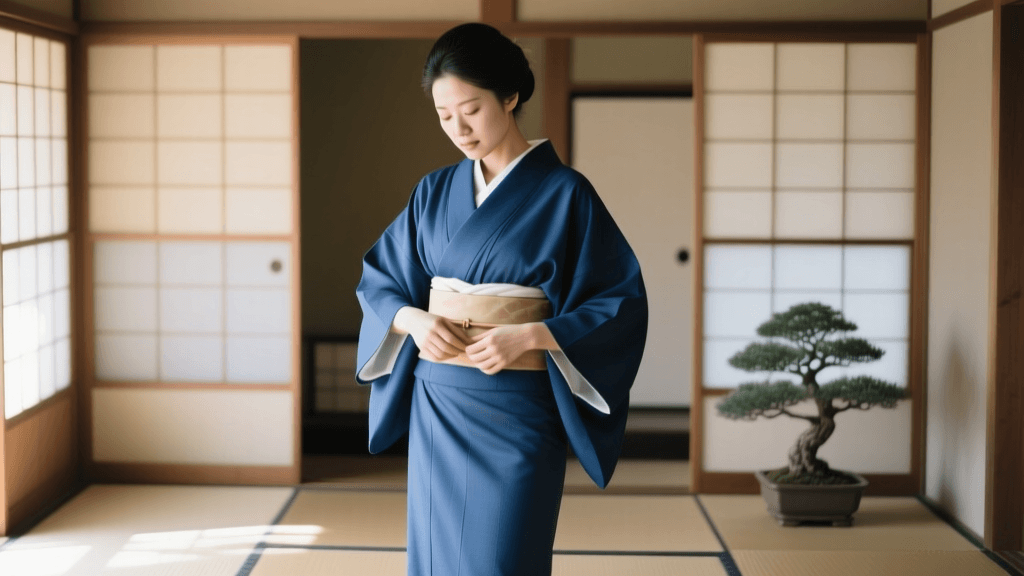
In the hyper-connected, fast-paced landscape of 2026, the global wellness economy has increasingly pivoted toward analog, tactile practices that ground the nervous system. Among the most profound yet underexplored of these practices is kitsuke (着付け), the traditional Japanese art of kimono dressing. Far from a mere sartorial chore, kitsuke is a moving meditation, a celebration of slow fashion, and a powerful ritual for mental wellbeing. As modern consumers seek refuge from digital fatigue and the environmental toll of hyper-trend cycles, the kimono offers a masterclass in mindfulness, intentionality, and sustainable living.
The Slow Fashion Antidote: Mottainai and Circular Elegance
To understand the wellness benefits of the kimono, one must first understand its inherent alignment with slow fashion. In 2026, the fashion industry is under immense scrutiny for its environmental impact. According to the Ellen MacArthur Foundation, transitioning to a circular fashion economy is critical for reducing global textile waste. The kimono has operated on circular, zero-waste principles for centuries.
Unlike Western garments, which are cut to the contours of the body, a kimono is constructed from straight bolts of fabric (tanmono). This means the garment is not tailored to the wearer; rather, the wearer is wrapped and shaped by the garment. When a kimono becomes soiled or the wearer's body changes, the garment is entirely unstitched, washed, stretched, and re-sewn—a meticulous process known as arai-hari.
This embodies the Japanese philosophy of mottainai (a deep regret concerning waste). By investing in a single, high-quality silk or hemp kimono that can be passed down through generations, re-dyed, and repurposed, practitioners of kitsuke actively reject the disposable nature of modern fast fashion. This conscious consumption fosters a sense of psychological alignment and integrity, which is foundational to long-term mental wellbeing.
Kitsuke as a Somatic Meditation Practice
Mindfulness is often associated with seated meditation, but somatic (body-based) mindfulness involves anchoring awareness in physical sensations and movements. The Japan National Tourism Organization highlights how traditional arts like the tea ceremony and flower arrangement serve as moving meditations; kitsuke belongs firmly in this lineage.
Dressing in a kimono requires intense focus, precise posture, and controlled breathing. You cannot rush the tying of an obi (sash) without compromising the structural integrity and aesthetic drape of the garment. This forced deceleration acts as a circuit breaker for the nervous system, pulling the practitioner out of anxious rumination and into the present moment.
The Sensory Grounding of Textiles
The tactile experience of handling vintage silk, woven linen, or intricate Nishijin-ori brocade provides immediate sensory grounding. The cool touch of the fabric, the subtle scent of camphor wood from the storage chest, and the rhythmic sound of silk sliding against silk engage the parasympathetic nervous system. This sensory richness is a core component of art therapy and somatic healing, making the physical act of touching and folding the garment a therapeutic exercise in itself.
Designing Your Mindful Kitsuke Sanctuary
To fully embrace kitsuke as a wellness ritual in 2026, curating a dedicated physical space is essential. You do not need a traditional Japanese room (washitsu), but you do need an environment that signals to your brain that it is time to slow down.
- Spatial Dimensions: Ensure you have a clear floor space of at least 2 by 2.5 meters. This allows for full arm extension when adjusting the ohashori (the waist fold) and the obi.
- Flooring and Posture: If possible, use natural tatami mats or a low-pile natural fiber rug. Dressing requires bending and kneeling; a forgiving, natural surface protects the joints and connects you to organic materials.
- Lighting: Avoid harsh, cool-toned overhead LEDs. Opt for warm, diffuse lighting (around 2700K) that mimics late afternoon sunlight, which is historically when many traditional evening gatherings occurred and is most flattering to silk textiles.
- Olfactory Anchoring: Scent is deeply tied to memory and relaxation. Burning a subtle, traditional incense like Shoyeido or Nippon Kodo before beginning your kitsuke routine can serve as a Pavlovian trigger for your brain to enter a meditative state.
The Mindful Kitsuke Routine: Step-by-Step
Below is a structured guide to transforming your daily or weekly kimono dressing into a deliberate wellness practice.
| Phase | Physical Action | Mindfulness Focus | Duration |
|---|---|---|---|
| Preparation | Laying out the nagajuban, kimono, and obi on a kimono hanger (emonkake). | Visual grounding; appreciating the textile's history, pattern, and craftsmanship. | 5 Minutes |
| Foundation | Donning the hadajuban and nagajuban (undergarments), adjusting the collar. | Body scanning; noticing physical tension in the shoulders and releasing it. | 4 Minutes |
| The Wrapping | Draping the kimono, aligning the back seam, and securing the waist ties (koshihimo). | Breath synchronization; inhaling as you lift the fabric, exhaling as you tie. | 6 Minutes |
| The Ohashori | Creating the waist fold and smoothing the front panels for a clean drape. | Tactile awareness; feeling the weight and texture of the silk against your hands. | 5 Minutes |
| The Obi | Wrapping the sash, tying the musubi (knot), and securing with the obijime. | Core engagement and posture; finding your physical and mental center of gravity. | 10 Minutes |
Mental Health Benefits Backed by Science
The intersection of traditional arts and mental health is increasingly validated by modern psychology. Engaging in complex, multi-step tactile routines has been shown to lower cortisol levels and improve cognitive flexibility. As noted by Harvard Health Publishing, mindfulness practices that anchor the mind in the present moment are highly effective in easing anxiety and mental stress.
When you practice kitsuke, the sheer mechanical complexity of the garment demands your full attention. You cannot scroll through a smartphone while tying a taiko musubi (drum knot). This forced digital detox, even if it lasts only thirty minutes, provides a vital reset for the dopamine-depleted brains of 2026. Furthermore, the act of wearing a garment that requires you to stand taller, move more deliberately, and occupy space with grace inherently shifts your psychological state. The concept of "enclothed cognition" suggests that the clothes we wear directly influence our psychological processes; wearing a kimono encourages a posture of dignity, calm, and historical continuity.
Sourcing Vintage and Upcycled Kimono in 2026
A true slow fashion wellness practice must be ethically sourced. In 2026, the most sustainable way to acquire a kimono is through the robust secondhand and vintage markets. Japan's aging population has led to a massive influx of high-quality, meticulously cared-for vintage kimono entering the market.
Platforms like Kimono Yamato and specialized Rakuten vintage curators offer access to pre-loved garments that carry the stories of previous generations. For those who travel, visiting the Toji Temple flea market in Kyoto or the Oedo Antique Market in Tokyo provides an immersive, mindful treasure hunt. By choosing vintage, you are not only reducing your carbon footprint but also participating in the preservation of traditional Japanese textile arts, such as shibori (tie-dye) and yuzen (resist dyeing).
"To wear a kimono is to wear time itself. It is a rejection of the ephemeral in favor of the enduring, wrapping the body in the quiet resilience of history."
Conclusion: Wrapping Yourself in Intention
As we navigate the complexities of 2026, the ancient art of kitsuke offers a profound sanctuary. It is a daily or weekly appointment with oneself, a tactile rebellion against the disposable culture of fast fashion, and a deeply grounding somatic meditation. By reclaiming the kimono not as a costume, but as a vessel for mindfulness and wellness, we honor the artisans of the past while nurturing our own mental health in the present. Whether you are tying a simple cotton yukata for a summer evening or a formal silk homongi for a tea ceremony, the true luxury lies not in the fabric, but in the mindful intention with which you wear it.