Kimono vs Hanbok vs Cheongsam: 2026 Formal Wear Guide
The Structural Trinity: Navigating Asian Formal Wear in 2026
As global fashion continues to embrace cultural heritage with profound respect and technical innovation, the year 2026 has seen a remarkable renaissance in traditional Asian formal wear. For attendees of international galas, multicultural weddings, and high-profile diplomatic events, choosing between the Japanese kimono, the Korean hanbok, and the Chinese cheongsam (qipao) is no longer just about aesthetic preference. It is a nuanced decision involving silhouette engineering, textile technology, and cultural etiquette.
At The Garment Atlas, we frequently receive inquiries about how these three iconic garments compare in a modern context. While they share a foundational reverence for silk and meticulous craftsmanship, their structural philosophies are vastly different. This comprehensive guide breaks down the kimono, hanbok, and cheongsam to help you select the perfect garment for your 2026 formal calendar.
Silhouette and Form: A Study in Geometry
The Kimono: The T-Shaped Canvas
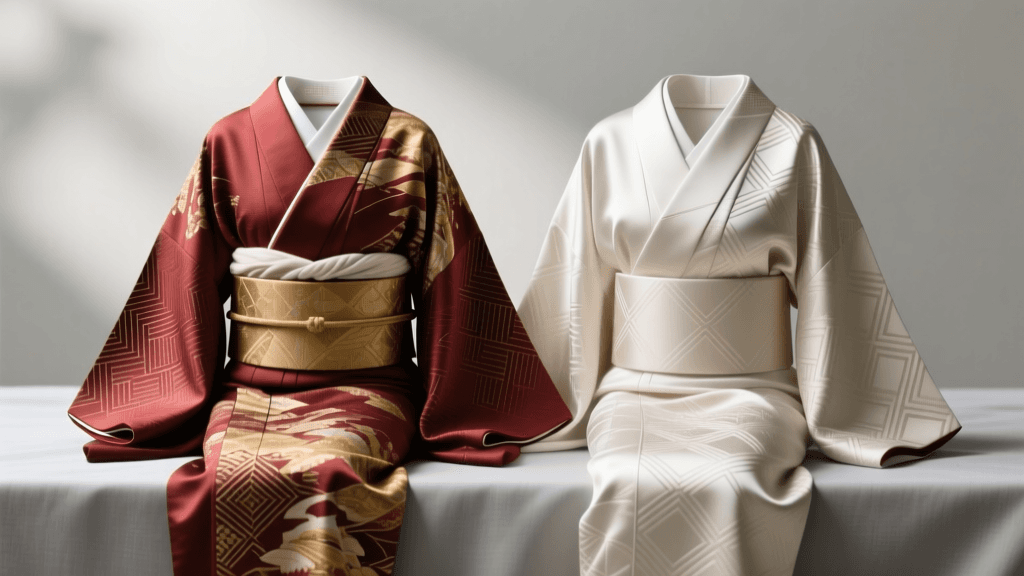
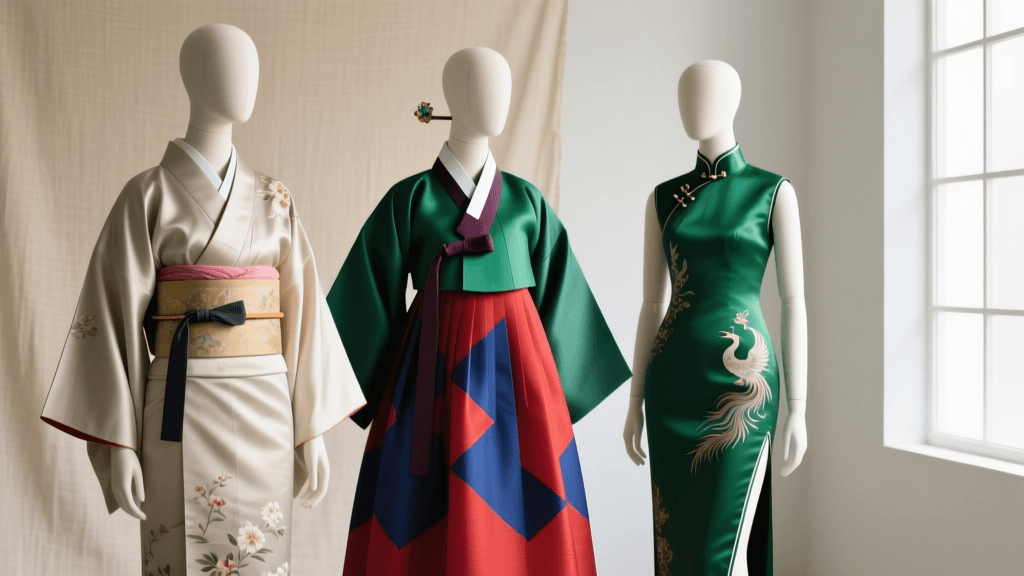
The Japanese kimono is fundamentally a triumph of two-dimensional design. Cut from straight bolts of fabric (tanmono) with minimal waste, the kimono relies on the art of folding and wrapping to create its iconic T-shaped silhouette. Unlike Western tailoring, which darts and seams fabric to hug the body's curves, the kimono obscures the natural body shape, creating a cylindrical, columnar form that serves as a canvas for extraordinary textile art.
For formal events in 2026, the kurotomesode (black crepe with crests and hem patterns) remains the pinnacle of married women's formal wear, while the vibrant furisode (long-swinging sleeves) is the standard for unmarried women. The structure is entirely dependent on the obi (sash) and the underlying padding (hadajuban and towel wraps), which artificially create a smooth, tubular foundation. According to the Victoria and Albert Museum's extensive archives on Japanese dress, this lack of structural tailoring is precisely what allows the kimono to be passed down through generations, as it can be easily unpicked, re-dyed, and resized.
The Hanbok: Volumetric Grace
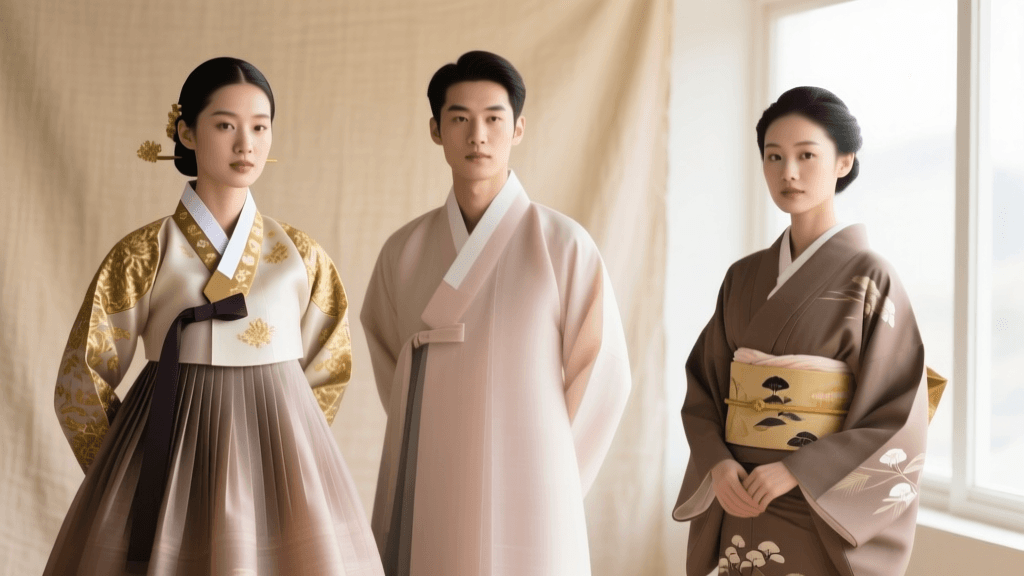
In stark contrast to the kimono's columnar restraint, the traditional Korean hanbok celebrates volumetric geometry and fluid movement. The classic women's hanbok consists of the jeogori (a short, cropped jacket) and the chima (a high-waisted, full, bell-shaped skirt). The silhouette is defined by the dramatic contrast between the tight, structured upper bodice and the expansive, flowing lower half.
In 2026, formal hanboks utilize advanced structural organza and silk-blend linings to maintain the skirt's iconic bell shape without the heavy, restrictive layering of the past. The gentle curve of the baerae (the bottom line of the jacket sleeves) and the crisp, architectural lines of the goreum (the long front ribbons) create a visual harmony that is both regal and deeply dynamic. The hanbok does not restrict movement; rather, it amplifies it, making the wearer appear to glide.
The Cheongsam: The Sculpted Line
The Chinese cheongsam (or qipao) represents the ultimate synthesis of traditional Manchu clothing and 1920s Western tailoring. It is the only garment of the three that actively celebrates and accentuates the natural curves of the body. Characterized by its high mandarin collar, asymmetrical front flap, pankou (knotted frog fasteners), and daring side slits, the cheongsam is an exercise in sculpted elegance.
Modern 2026 iterations of the cheongsam have evolved beyond the rigid brocades of the mid-20th century. Today's bespoke tailors in Shanghai and Hong Kong utilize 3D body-scanning technology to map the wearer's exact measurements, ensuring the silk crepe or stretch-velvet molds perfectly to the body while allowing for seated comfort. As noted by Britannica's historical overview of the qipao, the garment's evolution from a loose, modest robe to a form-fitting symbol of modern sophistication remains one of the most fascinating trajectories in global fashion history.
2026 Formal Event Comparison Matrix
To assist in your decision-making process, we have compiled a comparative matrix based on 2026 market data, bespoke tailoring standards, and event suitability.
| Feature | Kimono (Japan) | Hanbok (Korea) | Cheongsam / Qipao (China) |
|---|---|---|---|
| Primary Silhouette | Cylindrical, T-shaped, columnar | A-line, bell-shaped skirt, cropped top | Form-fitting, sculpted, side-slitted |
| Fastening Method | Obi sash, koshihimo (ties) | Goreum (front ribbon bows) | Pankou (knotted frogs), hidden zippers |
| Standard Formal Fabric | Silk chirimen (crepe), rinzu (damask) | Silk sa, modern structural organza | Heavy silk brocade, velvet, stretch silk |
| Average 2026 Bespoke Cost | $3,500 - $8,000+ (Full set) | $1,200 - $3,500 (Silk Chima/Jeogori) | $900 - $4,500 (Depending on embroidery) |
| Time to Dress | 30 - 45 minutes (Requires professional) | 10 - 15 minutes (Can self-dress) | 5 - 10 minutes (Can self-dress) |
| Best Suited For | Ultra-formal ceremonies, tea events, state dinners | Cultural galas, weddings, dynamic performances | Cocktail parties, red carpets, formal banquets |
Styling and Sourcing: Actionable Advice for 2026
Climate and Comfort Considerations
When selecting your garment, the climate of your 2026 event is paramount. The kimono is inherently a layered garment. A formal silk kimono ensemble, including the undergarments (nagajuban), obi, and accessories, can weigh upwards of 4 kilograms (nearly 9 pounds). It is best suited for climate-controlled indoor environments or cooler autumn/winter seasons. Conversely, the hanbok's high waistline and voluminous skirt allow for exceptional air circulation, making it a superior choice for late spring or outdoor garden weddings. The cheongsam, particularly when tailored in lightweight silk crepe de chine, offers a sleek profile ideal for humid summer evenings, provided the side slits are adequately lined to prevent clinging.
Sourcing Authentic Pieces in 2026
The market for traditional garments has shifted heavily toward sustainable and vintage sourcing, alongside hyper-modern bespoke services.
- Kimono: For those not purchasing a family heirloom, the 2026 Kyoto and Tokyo rental markets offer pristine, professionally fitted furisode and tomesode packages ranging from $350 to $600, which include professional dressing services (kitsuke). If purchasing, look for certified kimono someshi (dyers) utilizing eco-friendly, plant-based dyes.
- Hanbok: The "Saenghwal Hanbok" (everyday hanbok) movement has pushed traditional designers to create formalwear that is easier to maintain. Look for designers utilizing stain-resistant silk blends. For authentic, high-end ceremonial hanboks, sourcing directly from master artisans (Myeongjang) in Seoul's Bukchon Hanok Village ensures historical accuracy in the goreum tying techniques.
- Cheongsam: The Shanghai tailoring renaissance is in full swing. Many heritage tailors on Maoming Road now offer hybrid consultations, combining traditional hand-rolled hems and frog-knotting with digital 3D fitting. Expect a minimum of three fittings and a six-week lead time for a fully bespoke, hand-embroidered piece.
Cultural Context and Modern Etiquette
As these garments gain visibility on global red carpets and international runways, understanding the etiquette of wearing them is crucial. Cultural appreciation in 2026 demands more than just wearing the clothes; it requires understanding their semiotics.
For the kimono, the placement of the family crest (kamon), the seasonality of the woven motifs (e.g., wearing pine in winter, cherry blossoms in early spring), and the formality of the obi knot are strictly codified. Wearing a casual cotton yukata to a black-tie gala is a significant faux pas. For the hanbok, the color palette historically denoted social status and marital status, though modern formal wear embraces a broader spectrum of jewel tones and pastels. The goreum must be tied with precise, asymmetrical elegance, never in a standard Western bow.
The cheongsam demands careful attention to modesty and proportion. The side slits should traditionally not rise higher than the mid-thigh for formal daytime events, and the pankou knots must be perfectly matched to the garment's primary color palette. According to the Smithsonian National Museum of Asian Art, the preservation of these textile traditions relies on a deep, respectful engagement with their historical roots, rather than treating them as mere costume.
Conclusion
Choosing between the kimono, hanbok, and cheongsam for a formal event in 2026 is a deeply personal journey that intersects with art, history, and engineering. The kimono offers an unparalleled canvas for textile art and structured elegance; the hanbok provides majestic volume and dynamic grace; the cheongsam delivers sculpted, sophisticated glamour. By understanding the unique construction, sourcing avenues, and cultural etiquette of each garment, you can step into your next formal event not just dressed, but profoundly adorned in living history.