Ceremonial vs Everyday Hanbok & Kimono: 2026 Guide
The Evolution of Asian Traditional Wear in 2026
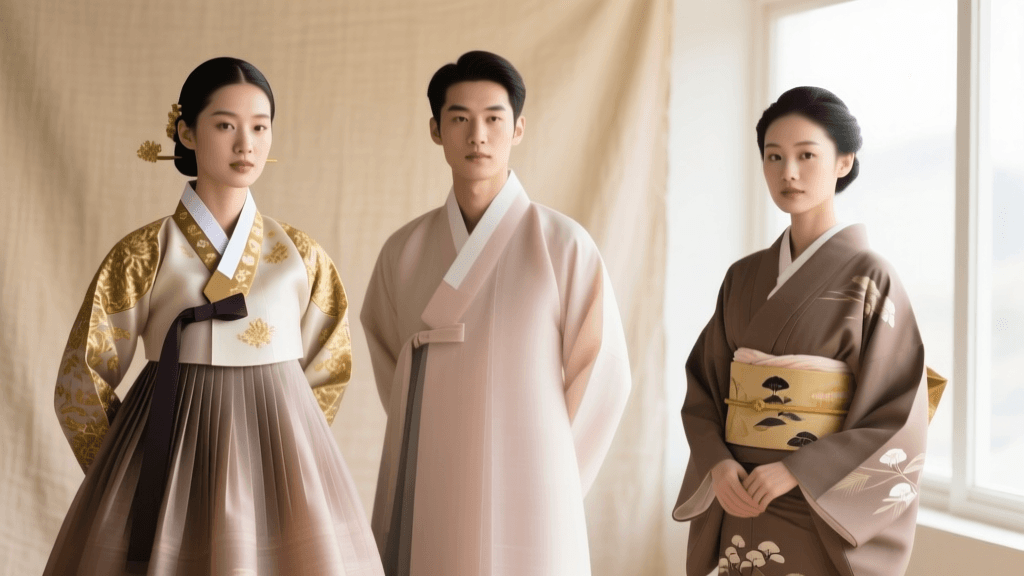
As we navigate the fashion landscape of 2026, the dichotomy between ceremonial and everyday traditional garments in East Asia has never been more pronounced—or more innovative. While the global appreciation for Asian traditional garments continues to surge, modern wearers are increasingly drawing a distinct line between high-ceremony couture and functional, daily streetwear. Nowhere is this contrast more visible than in the Korean Hanbok and the Japanese Kimono. According to Korea.net's official cultural heritage portal, the 'Daily Hanbok' movement has officially transitioned from a niche subculture into a mainstream sustainable fashion staple in 2026. Similarly, Japan's modern kimono styling has embraced modular, washable designs for everyday use while preserving the strict, opulent rules of ceremonial kitsuke (dressing). Understanding the structural, textile, and stylistic differences between these two worlds is essential for collectors, cultural enthusiasts, and modern fashion consumers alike.
Hanbok: From Royal Courts to Subway Commutes
Ceremonial Hanbok: The Weight of Tradition
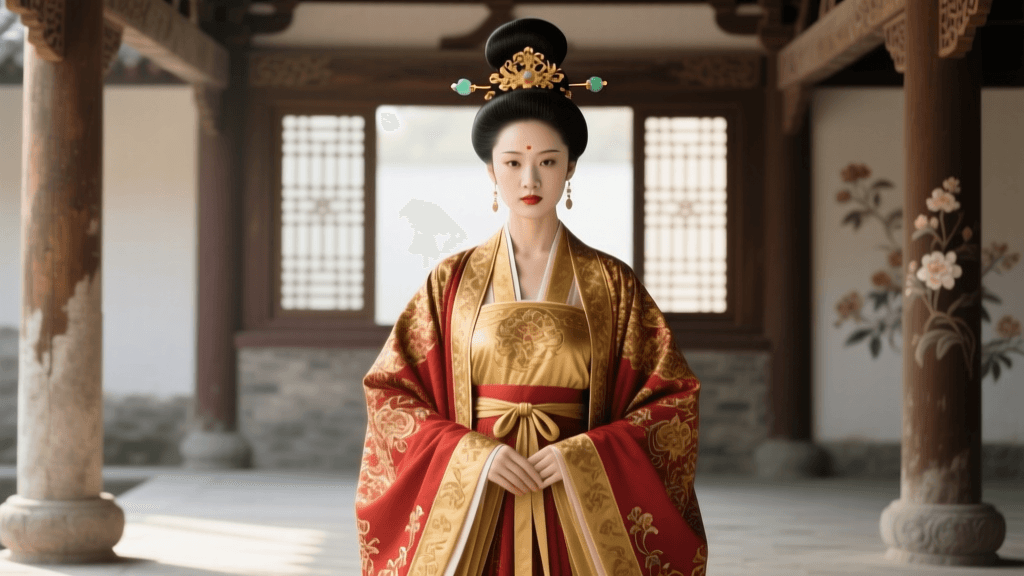
Ceremonial hanbok, such as the Hwalot (bridal robe) or the Wonsam (court attire), represents the zenith of Korean textile artistry. In 2026, authentic ceremonial hanbok are still constructed using heavy, unyielding silks, intricate gold-leaf stamping (geumbak), and elaborate embroidery featuring peonies, cranes, and dragons. The silhouette is deliberately voluminous and rigid, designed to project dignity and status rather than mobility. The jeogori (jacket) remains historically accurate, often cut with sweeping, elongated sleeves that require assistance to manage. Because these garments are worn perhaps once in a lifetime—typically for weddings or major ancestral rites—they prioritize visual impact over comfort. As noted in Britannica's comprehensive guide to the Hanbok, the vibrant color blocking of ceremonial wear strictly adheres to the Obangsaek (traditional Korean five-color spectrum) theory, symbolizing cosmic harmony.
Everyday Hanbok: The Saenghwal Revolution
Conversely, the everyday hanbok—known as Saenghwal Hanbok (living hanbok)—has been radically re-engineered for the 2026 urban commuter. Designers have shortened the jeogori to sit comfortably at the natural waist, preventing the fabric from bunching under modern coats or seatbelts. The traditional goreum (chest ribbon) is often replaced or supplemented with hidden magnetic clasps or discreet hook-and-eye closures for quick dressing. Skirts (chima) now frequently feature hidden side pockets, elasticized waistbands, and are spun from breathable, machine-washable linen-cotton blends or sustainable hemp textiles. Priced between $80 and $250 USD in 2026, everyday hanbok are designed to be thrown into a washing machine and worn to a café or office without the fear of ruining a $5,000 silk investment.
Kimono: The Art of Kitsuke vs. Modern Ease
Ceremonial Kimono: Brocade and Strict Rules
The Japanese kimono operates on a highly codified system of formality. Ceremonial garments, such as the Uchikake (wedding over-robe) or the Furisode (worn by unmarried women for coming-of-age ceremonies), are masterpieces of Nishijin weaving and Yuzen dyeing. A ceremonial furisode features floor-sweeping sleeves and heavy silk brocade that can weigh upwards of 15 pounds when fully layered. Dressing in a ceremonial kimono requires a licensed professional to execute complex kitsuke techniques, utilizing numerous padding, ties, and stiff collars to create a perfectly cylindrical silhouette. The obi (sash) is tied in elaborate, sculptural knots like the fukura-suzume, which restricts the wearer's range of motion entirely. Britannica's historical overview of the Kimono highlights that these garments are treated as heirloom art pieces, often passed down through generations and stored in specialized cedar chests to prevent moisture damage.
Everyday Kimono: Washable Silks and Two-Piece Innovations
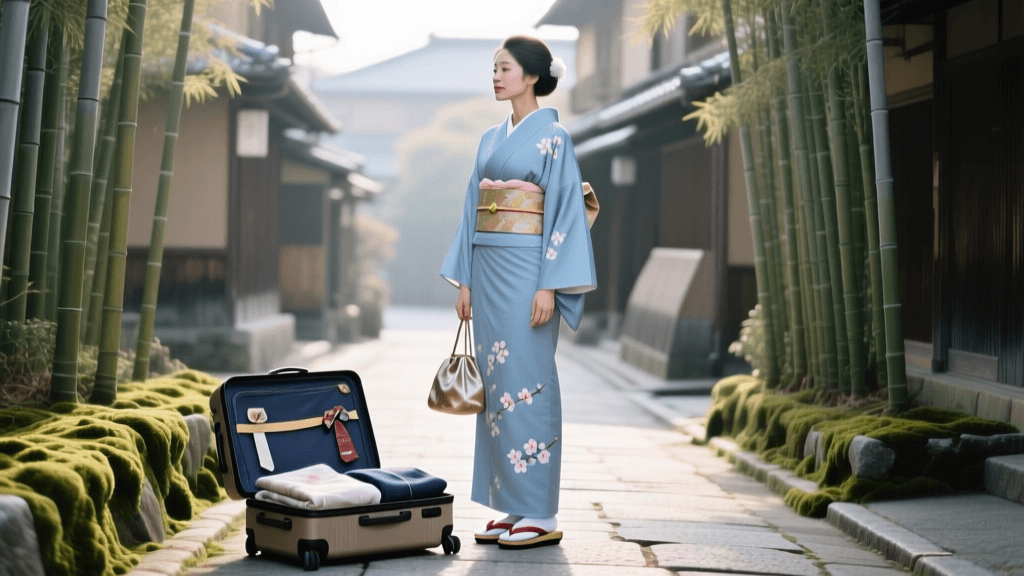
For daily wear, the 2026 kimono market heavily favors the Komon (everyday patterned kimono), Yukata (summer cotton), and the rapidly growing category of 'two-piece' or 'separated' kimonos. Modern everyday kimonos are frequently crafted from high-tech, stain-resistant polyester blends that mimic the drape and sheen of silk but can be laundered at home. The sleeves are shortened to the tomesode or standard length to avoid catching on doors or escalators. Perhaps the biggest innovation for everyday wear in 2026 is the tsuke-obi (pre-tied obi), which slips on like a belt and secures with a simple clasp, eliminating the 20-minute tying process. Footwear has also adapted; while traditional zori sandals are mandatory for ceremonies, everyday wearers frequently pair their cotton kimonos with modern leather boots or minimalist sneakers, a styling choice fully embraced by Tokyo's street fashion districts.
Ceremonial vs. Everyday: A 2026 Comparison Matrix
To clearly delineate the functional and aesthetic boundaries between these garment types, refer to the comparison table below, reflecting market standards and styling norms as of 2026.
| Feature | Ceremonial Hanbok | Everyday Hanbok | Ceremonial Kimono | Everyday Kimono |
|---|---|---|---|---|
| Primary Fabric | Heavy raw silk, satin | Linen, cotton, hemp blends | Silk brocade, heavy crepe | Washable poly-blend, cotton |
| Sleeve Length | Elongated, sweeping | Standard, wrist-length | Floor-length (Furisode) | Standard, wrist-length |
| Fastening | Long silk Goreum (ties) | Magnetic clasps, short ties | Complex Obi knots, ties | Pre-tied Obi, velcro/clasps |
| Footwear | Hwa (silk boots), Ggotsin | Modern flats, loafers | Zori with Tabi socks | Geta, boots, or sneakers |
| 2026 Avg. Cost (USD) | $1,500 - $8,000+ | $80 - $300 | $3,000 - $15,000+ | $100 - $450 |
| Care & Maintenance | Specialized dry clean only | Machine wash cold, air dry | Professional spot-clean/air | Home machine washable |
Footwear and Accessories: Completing the Look
The divide between ceremonial and everyday wear extends far beyond the primary garments; it heavily dictates footwear and accessory choices. In traditional Korean ceremonial dress, footwear is highly specific. Brides and grooms wear Hwa (silk boots with intricate embroidery) or Ggotsin (flower shoes) made of leather and silk. These shoes are entirely impractical for rain or uneven pavement. In 2026, everyday hanbok wearers bypass this entirely, opting instead for comfortable leather loafers, Mary Janes, or even clean white sneakers, prioritizing arch support for navigating modern cityscapes.
Similarly, Japanese ceremonial kimono demands the wearing of Tabi (split-toe socks) paired with high-grade Zori sandals featuring brocade straps. The posture required to walk in zori forces a specific, gliding gait that is intrinsic to the ceremonial aesthetic. Everyday kimono styling in 2026, however, has embraced the Geta (wooden clogs) for casual summer yukata, or completely subverted tradition by pairing ankle-length kimonos with Western-style ankle boots during the autumn months, creating a fusion silhouette that dominates contemporary Asian fashion editorials.
Sourcing and Building a 2026 Wardrobe
For those looking to invest in these garments in 2026, the sourcing strategy depends entirely on your intended use. If you are acquiring a ceremonial piece, it is highly recommended to consult specialized ateliers in Seoul's Insadong district or Kyoto's Nishijin weaving center. These garments are often made-to-measure, requiring multiple fittings over several months. The investment is substantial, but the garment is treated as a generational asset.
For everyday wear, the 2026 market is highly accessible online and in boutique retail spaces. Brands focusing on 'Daily Hanbok' offer seasonal collections that align with global fashion weeks, utilizing color palettes that integrate seamlessly with modern outerwear. When purchasing an everyday kimono or hanbok, always verify the textile composition. Look for terms like 'washable silk alternatives' or 'pre-shrunk linen blends' to ensure the garment can withstand the rigors of daily life. Ultimately, whether you are draping yourself in the heavy, embroidered silks of a ceremonial Hwalot or slipping into a breezy, pocket-lined daily chima, understanding these distinctions allows you to honor the profound heritage of Asian traditional garments while living fully in the modern world.