Kimono Dressing Mindfulness: Slow Fashion Wellness Rituals 2026
The Intersection of Kitsuke and Mental Health in 2026
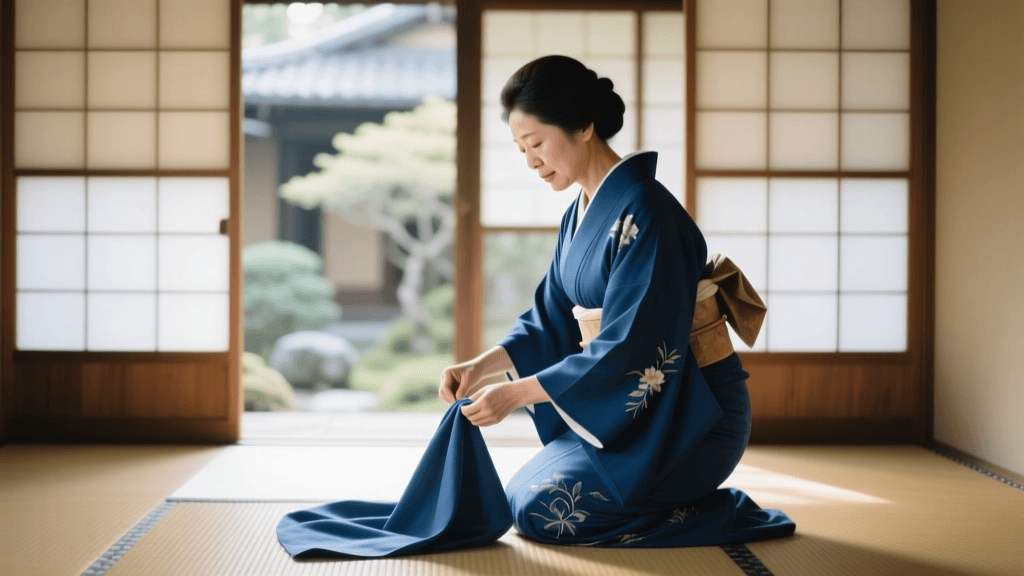
In an era defined by digital saturation and rapid consumption, the global wellness movement of 2026 has increasingly turned toward ancient, tactile practices to restore mental equilibrium. Among the most profound of these is kitsuke, the traditional Japanese art of kimono dressing. Far from being a mere exercise in historical costume, kitsuke is now widely recognized by occupational therapists and mindfulness coaches as a potent somatic practice. The deliberate, multi-step process of wrapping, folding, and tying silk garments demands a level of present-moment awareness that mirrors moving meditation.
At The Garment Atlas, we explore how the intersection of traditional Asian garments and modern wellbeing creates a sanctuary for the mind. By embracing the slow fashion ethos inherent in kimono culture, practitioners are not only reducing their environmental footprint but also engaging in a daily ritual that lowers cortisol levels, improves proprioception, and fosters a deep sense of cultural and personal grounding.
The Psychology of Ritual: Why Dressing Slowly Heals
The psychological benefits of engaging in structured, repetitive rituals are well-documented in contemporary behavioral science. When you engage in kitsuke, you are required to focus on the precise alignment of the okumi (the front panels) and the exact tension of the koshihimo (the tying cords). This intense focus crowds out the intrusive, anxious thoughts that often plague the modern mind.
According to research published by the Greater Good Science Center at UC Berkeley, engaging in pre-performance or daily rituals can significantly reduce anxiety by providing a sense of control and order. The physical weight of the silk, the structured binding of the datejime (under-sash), and the final tying of the obi provide deep pressure stimulation, akin to the effects of a weighted blanket. This tactile feedback signals the parasympathetic nervous system to shift from a state of fight-or-flight into rest-and-digest, making the morning act of dressing a powerful therapeutic intervention.
Slow Fashion as Eco-Therapy: The Sustainable Silk Movement
The wellness benefits of kimono extend beyond the psychological impact of dressing; they encompass the ethical and environmental peace of mind that comes with slow fashion. In 2026, eco-anxiety is a recognized psychological stressor. The fast fashion industry's relentless cycle of waste contributes heavily to this collective dread. Kimono culture offers a radical, centuries-old antidote: the circular lifecycle of the garment.
Traditional kimono are constructed from a single bolt of fabric (tanmono) using straight-line cutting. This means the garment can be entirely unpicked, washed, stretched, and re-dyed—a meticulous process known as arai-hari. When a kimono reaches the end of its wearable life, it is upcycled into haori jackets, cushions, or patchwork textiles. The Ellen MacArthur Foundation has long championed this exact model of circularity, noting that designing garments for disassembly and regeneration is the cornerstone of a sustainable fashion economy. By choosing to wear vintage or upcycled kimono, practitioners align their personal wardrobes with their ecological values, alleviating eco-anxiety and fostering a holistic sense of wellbeing.
A 20-Minute Morning Kitsuke Mindfulness Routine
Transforming your morning dressing routine into a mindfulness practice requires intention and a structured approach. Below is a 2026-adapted, 20-minute morning kitsuke routine designed specifically for grounding and centering before a busy day.
Minutes 1-5: Tactile Grounding and Preparation
- Breath and Touch: Before picking up the garment, spend two minutes practicing box breathing (inhale for 4 seconds, hold for 4, exhale for 4, hold for 4). Run your hands over the silk or cotton of your kimono, noting the temperature and texture.
- The Juban: Put on your nagajuban (undergarment). Focus on the sensation of the fabric against your skin. Align the eri (collar) so that exactly one finger-width of space rests at the nape of your neck, promoting an upright, dignified posture.
Minutes 6-12: The Wrapping and Alignment
- Panel Alignment: Drape the kimono over your shoulders. Bring the right panel across your body first, then the left. This specific order is a non-negotiable cultural rule, and adhering to it reinforces cognitive discipline.
- Hip Tying: Take your first koshihimo cord. As you tie it at the hip bone, apply firm, even pressure. Visualize this cord anchoring you to the earth, securing your physical and mental boundaries for the day ahead.
Minutes 13-20: The Obi and Final Posture
- The Datejime: Wrap the elastic or silk datejime over the chest area to secure the collar. This gentle compression across the diaphragm encourages deeper, more controlled breathing.
- Tying the Obi: For daily mindfulness, a simple bunko (butterfly) or taiko (drum) knot is recommended. Focus entirely on the geometry of the folds. When the final obijime (decorative cord) is pulled taut, take one final, deep breath, acknowledging the completion of the ritual.
Building a Wellness-Focused Kimono Wardrobe
Not all kimono offer the same sensory experience. When curating a wardrobe specifically for mental health and slow fashion wellness, it is essential to consider fabric weight, breathability, and the tactile feedback of the textile. Below is a guide to selecting the right garment for your somatic needs in 2026.
| Garment Type | Primary Fabric | Mindfulness & Somatic Benefit | Best Season |
|---|---|---|---|
| Yukata | Lightweight Cotton | Highly breathable; the crisp texture provides sharp tactile feedback, excellent for morning alertness. | Summer |
| Komon (Everyday) | Chirimen (Crepe Silk) | The pebbled texture of chirimen stimulates nerve endings in the fingertips, enhancing present-moment awareness. | Spring / Autumn |
| Tsumugi | Pongee Silk (Slubbed) | Earthy, matte finish with a structured drape; provides a comforting, heavy weight that aids in anxiety reduction. | Autumn / Winter |
| Ro / Sha | Woven Silk Gauze | Ultra-lightweight and sheer; the cooling sensation against the skin helps regulate nervous system overheating. | Peak Summer |
Sashiko and Boro: The Meditative Art of Repair
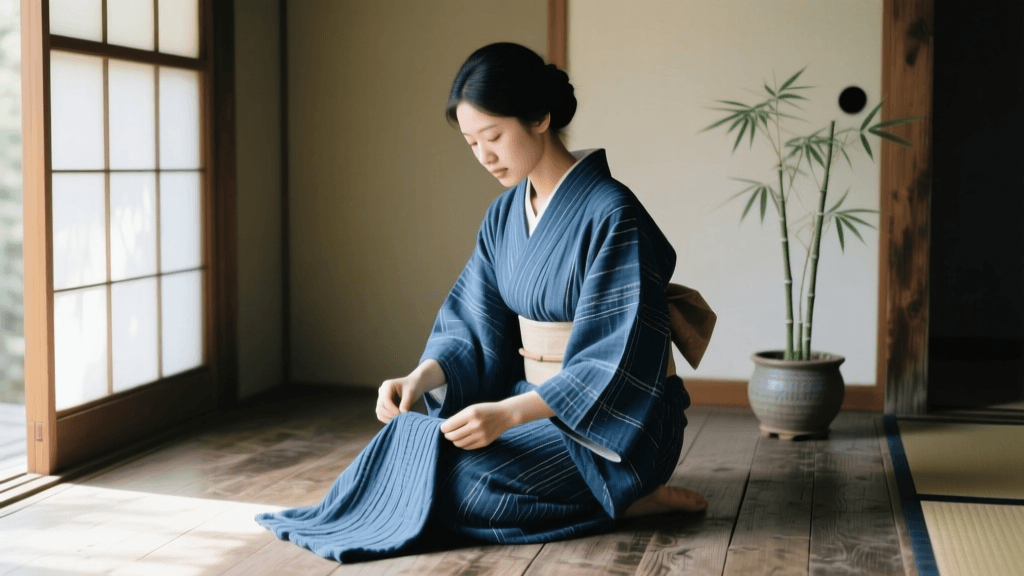
The wellness journey within Asian textile traditions does not end with wearing the garment; it extends to its maintenance. The Japanese practices of sashiko (decorative reinforcement stitching) and boro (mending with scrap fabrics) have seen a massive resurgence in 2026 as recognized forms of art therapy. The repetitive, rhythmic motion of pulling a needle and thread through layers of indigo-dyed cotton induces a flow state, lowering heart rate and blood pressure.
Mending a beloved, vintage kimono or haori is an act of radical self-care and environmental stewardship. It shifts the consumer mindset from disposable to deeply relational. According to the American Art Therapy Association, engaging in creative, tactile arts facilitates emotional resilience and provides a non-verbal outlet for processing complex feelings. Sashiko offers a structured, accessible entry point into this therapeutic space. By spending an evening repairing a frayed hem or reinforcing a worn shoulder patch, practitioners engage in a quiet rebellion against planned obsolescence, finding profound peace in the philosophy of wabi-sabi—the beauty of imperfection and impermanence.
Conclusion: Embracing the Slow Drape
As we navigate the complexities of 2026, the ancient art of kitsuke offers a sanctuary of slowness in a world obsessed with speed. By treating the act of dressing not as a chore, but as a daily mindfulness ritual, we reclaim our time, our mental space, and our connection to the physical world. The kimono, with its rich history, circular lifecycle, and demanding physical geometry, is far more than a beautiful garment. It is a tool for wellness, a shield against eco-anxiety, and a wearable meditation that wraps the body in intention and grace.