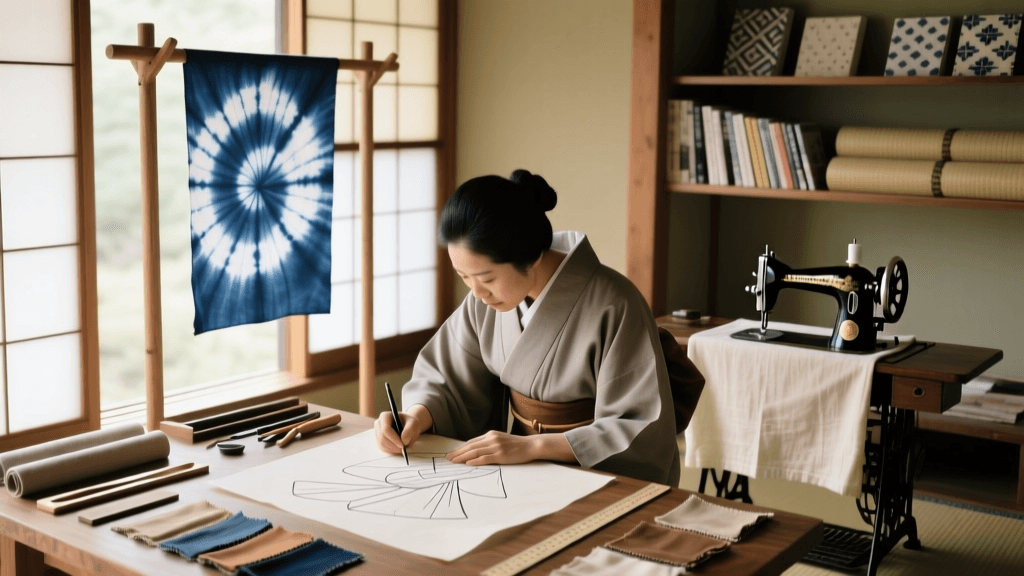
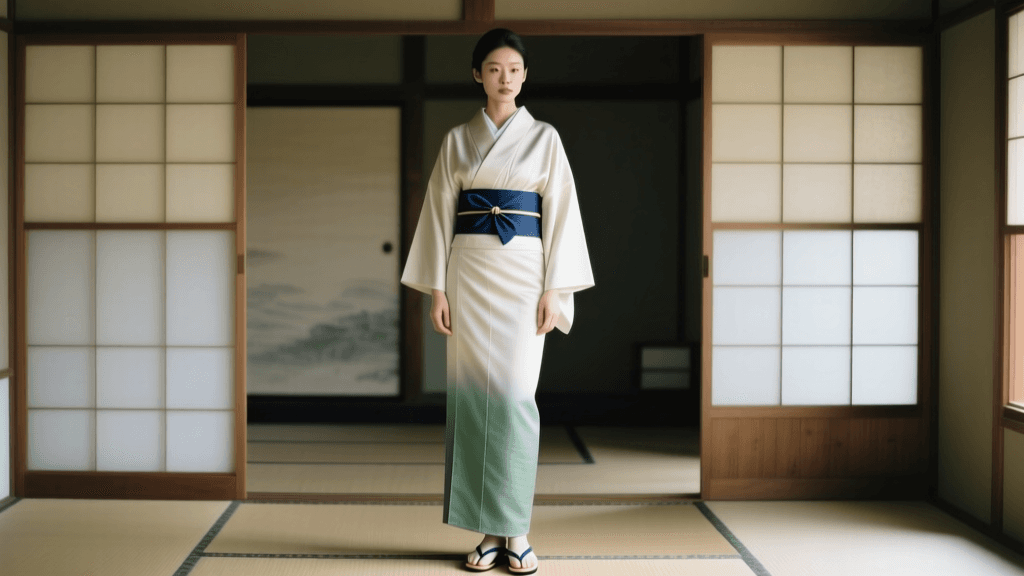
Kimono Kitsuke Mindfulness: Slow Fashion Wellbeing in 2026
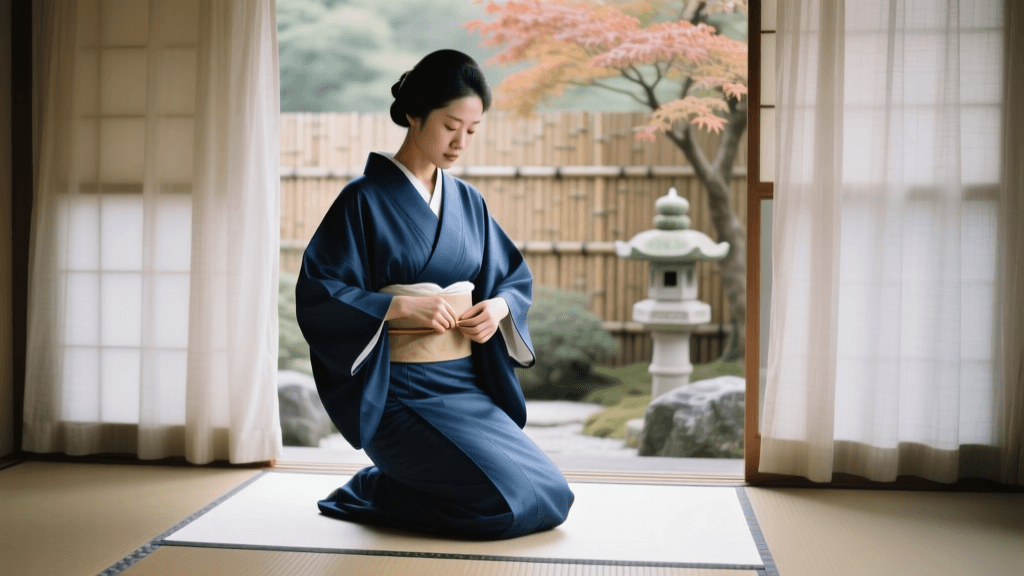
In the hyper-connected, fast-paced landscape of 2026, the global wellness industry has increasingly recognized the profound mental health benefits of somatic and tactile rituals. Among the most transformative of these practices is kitsuke—the traditional Japanese art of dressing in a kimono. Far from being a mere sartorial choice, kitsuke has emerged as a powerful mindfulness exercise and a cornerstone of the modern slow fashion movement. By engaging deeply with the layers, textures, and precise measurements of traditional Japanese garments, practitioners are finding a sanctuary of calm, intentionality, and ecological consciousness.
The Philosophy of Kitsuke as Moving Meditation
The act of wearing a kimono requires a sequence of deliberate, unhurried movements that naturally align with the principles of mindfulness. Unlike modern Western clothing, which is often designed for rapid donning and doffing, the kimono demands presence. You must align the se-nui (center back seam) perfectly with your spine, adjust the yuki (sleeve length) to match your arm span, and tie the datejime (under-sash) with a specific tension that supports your posture without restricting your breath.
This meticulous process forces the mind to anchor in the present moment. According to Mayo Clinic's research on mindfulness exercises, engaging in focused, repetitive physical tasks can significantly lower cortisol levels and reduce anxiety. When you smooth the silk of a nagajuban (under-kimono) and feel the cool, natural fibers against your skin, you are practicing sensory grounding. The kimono becomes a wearable meditation space, wrapping the practitioner in a cocoon of intentional awareness.
Slow Fashion and the 2026 Kimono Revival
The year 2026 marks a critical turning point in the global fashion industry's reckoning with environmental degradation. As consumers pivot away from ultra-fast, AI-generated micro-trends, the kimono stands as the ultimate emblem of slow fashion. A high-quality, hand-dyed silk or woven hemp kimono is designed to be worn, deconstructed, re-dyed, and passed down through multiple generations. This inherent circularity perfectly aligns with the Ellen MacArthur Foundation's guidelines on circular fashion, which advocate for garments that are made to be made again, keeping materials in use for as long as possible.
Furthermore, the traditional textiles used in kimono—such as Oshima Tsumugi (mud-dyed silk) and Echigo Jofu (ramie linen)—are produced using zero-waste, low-impact methods that have been refined over centuries. By choosing to invest in vintage or sustainably crafted traditional garments, modern consumers are actively reducing their carbon footprint while preserving endangered artisanal techniques. In 2026, wearing a kimono is not just a nod to history; it is a radical act of environmental stewardship.
A Step-by-Step Mindful Kitsuke Routine for Wellbeing
To harness the wellness benefits of kitsuke, it is essential to approach the dressing process not as a chore, but as a dedicated self-care ritual. Set aside 30 to 45 minutes in a quiet, uncluttered space. Here is a practical, actionable routine to integrate into your weekly wellness regimen.
Step 1: Grounding and Preparation (5 Minutes)
Begin by laying out your garments on a clean surface or tatami mat. Take three deep, diaphragmatic breaths. Measure your yuki (the distance from the center of your neck, over your shoulder, to your wrist bone). For most adults in 2026, a standard vintage kimono with a 64cm to 68cm yuki will fit well. Aligning your physical measurements with the garment's geometry fosters a deep sense of bodily awareness and self-acceptance.
Step 2: The Base Layers and Centering (10 Minutes)
Put on the hadajuban (skin layer) and nagajuban (under-kimono). As you pull the collar across your chest, focus entirely on the se-nui (center back seam). Use your fingertips to trace the seam down your spine. This physical alignment serves as a metaphor for mental and emotional centering. Ensure the collar sits smoothly at the base of your neck, leaving a graceful, fist-sized gap at the nape—known as the eri-nuki—which encourages an upright, dignified posture.
Step 3: Tying the Datejime with Breathwork (5 Minutes)
The datejime is the thin sash used to secure the under-layers. Wrap it around your waist and tie it at the front. As you pull the fabric taut, exhale slowly. The tension should be firm enough to hold the fabric in place but loose enough to allow for deep, unrestricted belly breathing. This step physically reinforces the connection between your respiratory system and your core, a technique widely endorsed by the American Psychological Association's overview of meditation benefits for stress reduction.
Step 4: Wrapping the Kimono and the Obi Knot (15 Minutes)
Drape the main kimono over your shoulders. Adjust the hem so it grazes your ankles, and fold the excess fabric at the waist to create the ohashori (the decorative fold). This folding requires intense spatial awareness and fine motor control, effectively crowding out intrusive, anxious thoughts. Finally, wrap the obi (the wide outer sash, typically 30cm wide for women). Tying a simple otaiko (drum knot) or a sleek kai-no-kuchi (clamshell knot) requires focus, patience, and a steady hand, culminating the ritual with a profound sense of accomplishment and physical containment.
Wellness Benefits of Traditional Garment Care
The mindfulness of kitsuke extends beyond the act of dressing; it encompasses the ongoing care of the garments. The traditional practice of mushiboshi (airing out kimonos) is a seasonal ritual typically performed in 2026 during the dry, crisp days of late autumn or early spring. Unfolding a silk kimono, brushing it gently with a specialized bamboo whisk, and allowing it to breathe in the shade is a deeply grounding activity. It teaches patience, respect for material possessions, and an attunement to the changing of the seasons, combating the modern disconnect from natural cycles.
Comparison: Fast Fashion Dressing vs. Mindful Kitsuke
To understand the profound shift in mental and environmental wellbeing, consider the following comparison between typical modern dressing habits and the practice of mindful kitsuke.
| Metric | Fast Fashion Dressing (2026 Norm) | Mindful Kitsuke Routine |
|---|---|---|
| Time Investment | 3 to 5 minutes | 30 to 45 minutes |
| Mental State | Rushed, distracted, task-oriented | Grounded, focused, meditative |
| Posture & Breath | Unconscious, often slouched | Upright, supported, breath-aware |
| Garment Lifespan | 1 to 3 years (synthetic blends) | 50 to 100+ years (silk, hemp, ramie) |
| Environmental Impact | High (microplastics, landfill waste) | Negligible (biodegradable, circular) |
| Connection to Culture | Minimal, trend-driven | Deep, intergenerational, historical |
Sourcing Mindful Kimono Pieces in 2026
Embarking on a kitsuke mindfulness journey requires acquiring garments that resonate with your personal aesthetic and ethical standards. In 2026, the most sustainable and cost-effective way to build a kimono wardrobe is through the thriving vintage market. Authentic, pre-loved Meisen silk kimonos from the Taisho and early Showa eras are highly sought after for their bold, geometric patterns and durable weave. Current 2026 pricing for a high-quality, well-maintained vintage Meisen kimono ranges from $150 to $450 USD, while a complete vintage silk obi can be sourced for $80 to $250 USD.
For those seeking newly woven textiles, look for artisans participating in the 2026 Kyoto Sustainable Textile Initiative, which certifies weavers who use natural dyes (like indigo, madder, and persimmon tannin) and zero-waste loom setups. Investing in a single, beautifully crafted Tsumugi (pongee silk) kimono provides a versatile, breathable garment suitable for year-round wear, acting as a lifelong companion in your wellness practice.
Conclusion: Wrapping Yourself in Intention
As we navigate the complexities of 2026, the ancient art of kimono kitsuke offers a profound antidote to the anxiety and disposability of modern life. By transforming the act of getting dressed into a daily or weekly meditation, we reclaim our time, our mental space, and our relationship with the physical world. The kimono is not merely a garment; it is a tactile boundary that protects your peace, a canvas of slow fashion that honors the earth, and a timeless practice that wraps you in the comforting embrace of mindfulness. Embrace the layers, tie the knot with intention, and step into the world grounded, centered, and beautifully adorned.