Geta & Zori Craft: Traditional Japanese Footwear Trends 2026
The Renaissance of Japanese Footwear in 2026
Walking through the historic districts of Kyoto or the fashionable avenues of Tokyo in 2026, the rhythmic karan-koron clack of wooden geta remains one of Japan's most evocative sensory experiences. Far from being relegated to museum displays or seasonal festival novelties, traditional Japanese footwear—specifically geta (wooden clogs) and zori (flat sandals)—has experienced a profound renaissance. Today's artisans are blending centuries-old woodworking techniques with modern ergonomic science, creating footwear that supports contemporary urban lifestyles while honoring deep cultural heritage.
As global interest in sustainable, handcrafted fashion accelerates in 2026, Japanese footwear makers are seeing unprecedented demand from both domestic and international buyers. According to the Japan Traditional Crafts Center, the appreciation for hand-carved wooden footwear bases has surged, driven by younger demographics seeking sustainable, biodegradable fashion alternatives that do not compromise on style or comfort.
The Anatomy of Geta: Kiri Wood and Structural Mastery
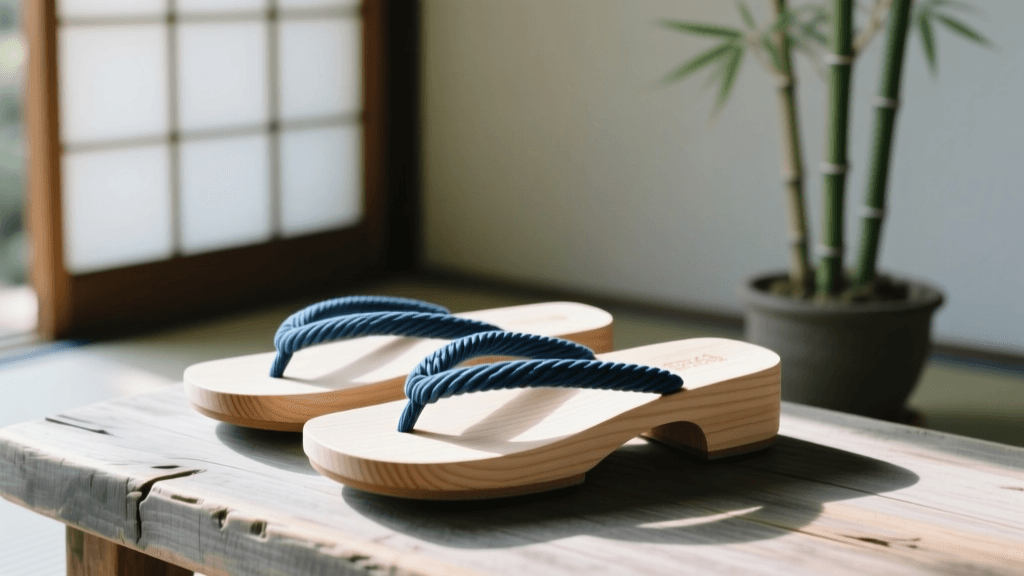
The soul of the geta lies in its dai (wooden base). While various timbers have been used historically, premium geta in 2026 are overwhelmingly crafted from kiri (Paulownia wood). Kiri is a botanical marvel: it is exceptionally lightweight, highly resistant to moisture and warping, and possesses natural antibacterial properties that prevent odor buildup.
Artisans in regions like Aizu-wakamatsu and Hida-Takayama carefully select sustainably harvested kiri logs, allowing them to dry naturally for up to three years before carving. The crafting process involves precision planing to achieve the correct angle for the ha (teeth) of the geta. In 2026, master carvers utilize a combination of traditional hand planes (kanna) and laser-guided leveling to ensure perfect balance, which is crucial for the wearer's posture and joint health.
Comparison of Traditional Geta Styles
Choosing the right geta depends heavily on the intended use, the formality of the accompanying garment, and the walking surface. Below is a breakdown of the primary styles available from bespoke makers in 2026.
| Style Name | Teeth (Ha) Configuration | Best Use Case | 2026 Average Price (JPY) |
|---|---|---|---|
| Ukon | Two teeth, slanted inward | Daily wear, casual yukata, urban walking | ¥15,000 - ¥25,000 |
| Tengu | One single center tooth | Festivals, traditional dance, acrobatics | ¥20,000 - ¥35,000 |
| Rikyu | Two low, square teeth | Formal kimono, tea ceremonies, indoor events | ¥30,000 - ¥50,000 |
| Ashi-da | Two high, thin teeth | Rainy weather, historical reenactments | ¥25,000 - ¥45,000 |
Zori Craftsmanship: Weaving the Foundation
While geta are defined by their wooden bases, zori are characterized by their flat, woven soles. Historically made from rice straw (wara), modern zori craftsmanship has evolved significantly. In 2026, the most sought-after casual zori feature tatami omote—a woven rush grass (igusa) surface that mimics the scent and texture of traditional Japanese tatami flooring.
For formal occasions, such as weddings or coming-of-age ceremonies, artisans craft zori using tightly woven silk brocade, lacquered cork, or even sustainable vegan leathers derived from apple and cactus fibers, a major trend in 2026's eco-conscious Japanese fashion sector. The tsuji-kagari stitching technique, where the sole and the upper fabric are bound together with heavy waxed thread, ensures that formal zori can withstand years of use without delaminating.
Hanao: The Ergonomic Heart of the Sandal
The hanao (thong) is the fabric strap that secures the foot to the geta or zori. Far from being a simple string, the hanao is a complex, multi-layered construction designed to distribute pressure evenly across the instep and the webbing of the toes. In 2026, ergonomic hanao designs incorporate memory foam cores wrapped in traditional velvet, silk, or breathable cotton-linen blends.
The attachment of the hanao to the wooden base is a specialized skill known as hanao-suge. The artisan threads the hanao through three holes in the dai: the maetsubo (front hole) and the two yoko-ana (side holes). The tension must be perfectly calibrated; too tight, and it will cause blisters and restrict circulation; too loose, and the wearer will over-grip with their toes, leading to calf fatigue. Many bespoke shops in Tokyo now offer 3D foot-scanning to customize the hanao length and padding to the exact millimeter of the customer's foot.
The Golden Rule of Fitting: Kakato wo Dasu
Western footwear sizing relies on enclosing the heel, but traditional Japanese footwear operates on an entirely different philosophy. The golden rule of wearing geta and zori is kakato wo dasu—allowing the heel to hang off the back edge of the wooden base.
When properly fitted, your heel should extend 1 to 2 centimeters beyond the rear of the geta. This intentional 'undersizing' serves two critical functions:
- Garment Protection: It prevents the hem of your yukata or kimono from being caught under your heel and dragged through the dirt, which can ruin expensive silk or cotton garments.
- Biomechanical Alignment: Hanging the heel slightly shifts your center of gravity forward, encouraging a natural, gliding walking gait (suri-ashi) that engages the core and calf muscles while reducing impact on the knees.
When purchasing geta in 2026, always measure the length of your foot from the tip of your longest toe to the center of your heel, and select a dai that is slightly shorter than that measurement.
Preserving the Craft and Sustainability
The environmental impact of fast fashion has pushed consumers toward heritage craftsmanship, and Japanese footwear is inherently sustainable. Kiri wood is a rapidly renewable resource; a Paulownia tree can be harvested for timber and will regrow from its existing root system within a decade without the need for replanting. Furthermore, when a pair of geta wears down, the wooden base can be sanded and refinished, and the hanao can be entirely replaced—a service known as suge-kae.
The Agency for Cultural Affairs, Government of Japan continues to recognize and support the master artisans who preserve these intangible cultural techniques, ensuring that the knowledge of traditional joinery and weaving is passed down to the next generation. Meanwhile, the Japan National Tourism Organization frequently highlights traditional footwear workshops in Kyoto and Tokyo as essential cultural immersion experiences for international visitors eager to understand the intersection of Japanese aesthetics and functionality.
Caring for Your Traditional Footwear
To ensure your geta and zori last for decades, proper maintenance is essential. For kiri wood geta, avoid leaving them in direct, harsh sunlight for prolonged periods, as this can cause the wood to crack. If the wood becomes dull or stained, gently sand the surface with fine-grit sandpaper (400-grit or higher) and apply a thin coat of natural kiri-nuki oil or beeswax to restore its luster and water resistance.
For zori with rush grass or fabric soles, use a soft, dry brush to remove dust and dirt. If the hanao becomes frayed or loses its elasticity, take them to a specialist cobbler for a hanao replacement rather than discarding the entire sandal. By embracing the philosophy of repair and renewal, you participate in a living tradition that values longevity, respect for natural materials, and the quiet beauty of objects aged through mindful use.