Handcrafted Geta and Zori: 2026 Sizing and Care Guide
The Renaissance of Japanese Footwear in 2026
In 2026, the global appreciation for traditional Japanese garments has evolved beyond the kimono to encompass the very foundation of the ensemble: traditional footwear. Once viewed strictly as ceremonial necessities, handcrafted geta (wooden clogs) and zori (flat sandals) have experienced a massive resurgence, blending heritage craftsmanship with contemporary street fashion and mindful living. Artisans in historic districts like Tokyo’s Asakusa and Kyoto’s Gion are reporting record waitlists for bespoke commissions, driven by a new generation of wearers who value the sensory experience, sustainability, and Zen-like mindfulness that comes with wearing traditional Japanese footwear.
Whether you are pairing a lacquered setta with a formal silk kimono for a tea ceremony, or rocking an unlaquered Kiri wood geta with modern linen trousers for a summer festival, understanding the anatomy, sizing, and care of these garments is essential. This comprehensive 2026 guide will walk you through the meticulous craft of Japanese footwear, ensuring your investment lasts for decades.
Geta vs. Zori: Understanding the Craft and Anatomy
While often grouped together by the uninitiated, geta and zori serve distinct purposes and are constructed using entirely different methodologies. According to the Metropolitan Museum of Art's Heilbrunn Timeline, the evolution of Japanese footwear is deeply tied to the country's architectural history, specifically the need to keep delicate silk hems above damp earthen floors and tatami mats.
Geta: The Wooden Clog
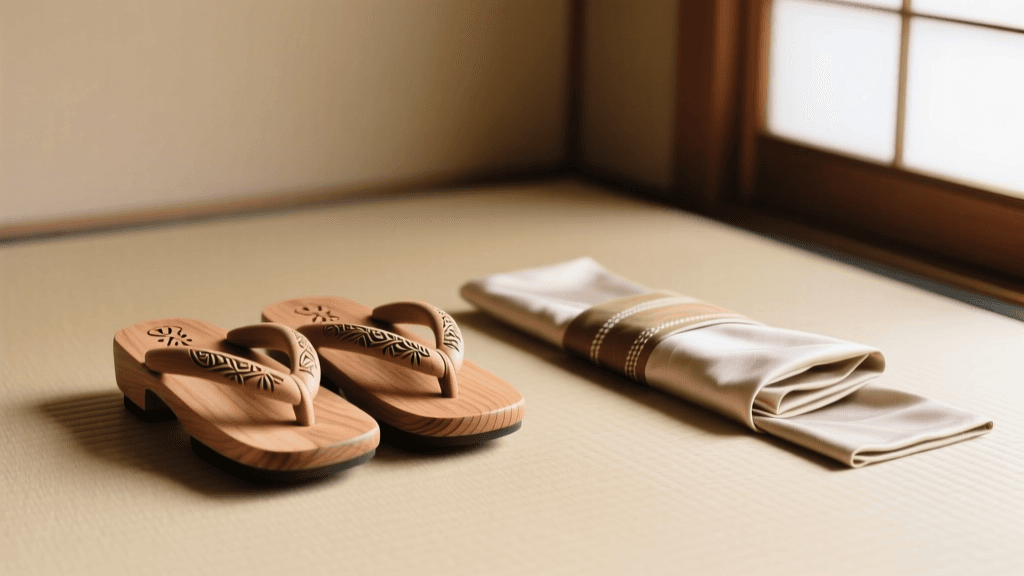
Geta are characterized by their wooden base (dai) and elevated wooden teeth (ha). The most common variety is the ryoba (two-tooth) geta, which produces the iconic, rhythmic 'karan-koron' sound when walking. In 2026, master artisans predominantly use Kiri (Paulownia) wood for the base. Kiri is prized for its lightweight properties, natural resistance to moisture, and beautiful, pale grain. For high-end bespoke pairs, craftsmen apply multiple layers of Urushi (traditional Japanese lacquer) or leave the wood raw to develop a rich patina over time. The single-tooth Tengu geta remains a niche favorite for performers and advanced wearers who require a greater range of motion.
Zori: The Flat Sandal
Zori feature a flat, oval-shaped sole without elevated teeth. Historically woven from straw or igusa grass, modern 2026 zori are crafted from a diverse array of materials, including brocade silk, vegan leather, and advanced EVA composites designed for rain resistance. Formal zori, worn with kurotomesode or furisode, typically feature thick, multi-layered soles covered in metallic or intricately woven textiles. The Setta, a specific type of zori with a leather sole and an iron heel plate, offers a distinct clicking sound and is highly favored by men for both formal and semi-formal occasions.
The 2026 Sizing Matrix: Getting the Perfect Fit
The most common mistake international buyers make when purchasing Japanese footwear is applying Western shoe-sizing logic. Unlike closed-toe shoes, geta and zori are designed to be slightly smaller than the wearer's actual foot length. The traditional aesthetic and functional rule is kakato no dashi—the heel should overhang the back of the wooden base or sole by approximately 1 to 2 centimeters. This overhang prevents the heel from catching on the hem of a kimono and ensures the wearer's weight is properly distributed over the center of the footwear, protecting the wooden teeth from snapping.
Below is the standard 2026 sizing matrix used by top-tier artisans in Japan. Note that Japanese sizes are measured strictly in centimeters.
| US Women's Size | US Men's Size | Foot Length (cm) | JP Size (cm) | Recommended Geta Base Length |
|---|---|---|---|---|
| 6.5 | - | 23.5 | 23.5 | 22.0 - 22.5 cm |
| 7.5 | - | 24.0 | 24.0 | 22.5 - 23.0 cm |
| 8.5 | 7.0 | 24.5 | 24.5 | 23.0 - 23.5 cm |
| 9.5 | 8.0 | 25.0 | 25.0 | 23.5 - 24.0 cm |
| 10.5 | 9.0 | 25.5 | 25.5 | 24.0 - 24.5 cm |
| - | 10.0 | 26.0 | 26.0 | 24.5 - 25.0 cm |
| - | 11.0 | 26.5 | 26.5 | 25.0 - 25.5 cm |
| - | 12.0 | 27.0 | 27.0 | 25.5 - 26.0 cm |
Note: If your foot measurement falls between sizes, always round down to the nearest half-centimeter to maintain the proper heel overhang.
Hanao Selection and the 2026 Customization Trend
The hanao (the V-shaped thong that secures the foot) is the soul of the geta and zori. In 2026, the trend has shifted heavily toward modular, snap-in hanao systems. This innovation allows wearers to swap out textiles to match different kimono patterns or seasonal motifs without needing to visit a cobbler. Artisans are utilizing upcycled vintage silk obi fabrics, sustainable hemp blends, and weather-resistant technical nylons for the hanao.
When selecting a hanao, color coordination is paramount. For formal women's zori, the hanao should match the primary color of the kimono or the obi. For casual men's geta, subdued tones like navy, charcoal, or deep burgundy are preferred. The padding inside the hanao has also seen upgrades; modern bespoke pairs often feature memory foam or compressed cotton cores to reduce friction between the toes during long summer festivals.
Step-by-Step Hanao Replacement Guide
Even with the best care, hanao will eventually fray or stretch. Replacing them is a vital skill for any traditional garment enthusiast. Here is how to replace a traditional tied hanao on a Kiri wood geta:
- Preparation: Purchase a replacement hanao kit, which includes the main V-thong, the two side straps, and a specialized metal wire or heavy-duty needle.
- Threading the Toe Hole (Mae-ana): Feed the main thong down through the front center hole. Use the wire to pull it through until a small knot or stopper bead rests flush against the top of the wood.
- Securing the Sides (Yoko-ana): Thread the two side straps through the left and right rear holes. Pull them taut so the V-shape forms naturally.
- Tying the Knots: Flip the geta over. Using pliers, pull the straps tightly from the bottom. Tie a secure, flat square knot on the underside of the wooden base. Ensure the knot sits within the recessed groove of the wood so it does not grind away when walking.
- Trimming and Sealing: Trim the excess fabric, leaving about 1 cm of tail. Apply a tiny drop of clear fabric glue or carefully singe the edge with a lighter to prevent fraying.
Preservation: Caring for Kiri Wood and Urushi Lacquer
The Smithsonian's National Museum of Asian Art frequently highlights the vulnerability of organic materials in traditional Asian artifacts. Kiri wood, while naturally resilient, requires specific environmental conditions to prevent warping or cracking, especially when shipped internationally across varying climate zones.
Daily Maintenance
- Moisture Control: Never leave Kiri wood geta in direct sunlight or near a radiator. If they get wet in the rain, wipe them down immediately with a dry, lint-free cotton cloth and let them air dry in a well-ventilated, shaded area.
- Cleaning the Base: For unlaquered wood, use a soft-bristled brush (like a traditional tawashi palm brush) to remove dirt from the grain. For Urushi-lacquered geta, a slightly damp microfiber cloth is sufficient. Never use chemical solvents or alcohol-based cleaners on lacquer.
- Teeth Protection: Over time, the wooden teeth (ha) will wear down unevenly. In 2026, many artisans offer removable rubber or polyurethane caps that can be glued to the bottom of the teeth to silence the clacking sound and protect the wood when walking on modern asphalt or concrete.
Long-Term Storage
When storing your footwear for the off-season, wrap each piece individually in acid-free tissue paper or unbleached cotton cloth (tato-shi). Store them in a wooden box (kiri-bako) with a small packet of silica gel to regulate humidity. Avoid plastic bins, which can trap moisture and lead to mold growth on the natural fibers of the hanao.
Investing in Bespoke Footwear: 2026 Pricing and Sourcing
As of early 2026, the cost of authentic, handcrafted Japanese footwear reflects the intense labor and scarcity of high-grade materials. A standard, machine-milled pair of geta from a tourist shop may cost around ¥3,000 to ¥5,000, but these lack the structural integrity and ergonomic shaping of artisan work. For a bespoke pair of unlaquered Kiri wood geta crafted by a master artisan in Tokyo, expect to pay between ¥18,500 and ¥35,000, depending on the complexity of the hanao and the grade of the wood. Formal, silk-brocade zori with multi-layered soles typically range from ¥25,000 to ¥60,000.
Many heritage shops in Kyoto and Tokyo now offer international virtual consultations, utilizing 3D foot-scanning apps to ensure the perfect custom fit for overseas clients. When ordering, always specify your intended use—whether for prolonged festival walking, formal tea ceremonies, or casual streetwear—so the artisan can adjust the height of the teeth and the stiffness of the hanao padding accordingly.
Conclusion
Traditional Japanese footwear is far more than a mere accessory; it is an intersection of architecture, textile art, and somatic discipline. By understanding the precise sizing requirements, embracing the modular hanao trends of 2026, and committing to the proper preservation of Kiri wood and Urushi lacquer, you ensure that your geta and zori remain functional, beautiful, and culturally resonant for years to come. Step mindfully, and let the rhythm of the wood connect you to centuries of enduring craftsmanship.