Artisan Kiri Geta Craft and Hanao Knotting Guide 2026
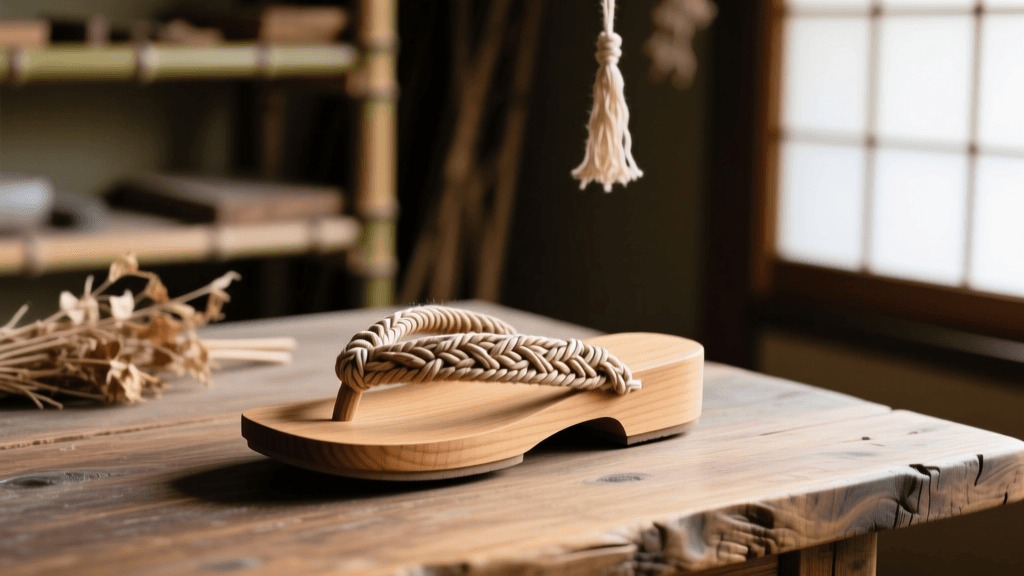
The Resurgence of Traditional Japanese Footwear in 2026
The rhythmic, hollow clack of wooden footwear against stone streets is one of the most evocative sensory experiences in Japanese culture. As the global slow fashion movement reaches new heights in 2026, traditional Japanese footwear—specifically the geta (wooden clogs) and zori (flat sandals)—has experienced a massive renaissance. Modern consumers and heritage artisans alike are turning back to the meticulous craftsmanship of Kiri (paulownia) wood carving and the intricate art of hanao (thong) knotting. This comprehensive guide explores the anatomy, sustainable craftsmanship, and practical maintenance of these iconic garments in the current year.
Anatomy of the Geta and Zori
Before delving into the craft, it is essential to understand the structural components that define Japanese footwear. While both geta and zori utilize the same three-point strap system, their bases differ significantly.
The Geta (Wooden Clog)
- Dai (Base): The main wooden board that rests against the sole of the foot.
- Ha (Teeth): The wooden supports underneath the dai. Traditional geta usually feature two teeth, though styles like the Tengu geta feature a single central tooth.
- Meji (Holes): Three strategically drilled holes in the dai through which the hanao straps are threaded.
The Zori (Flat Sandal)
Unlike the elevated geta, the zori has a flat base. Historically made from woven rice straw, 2026 iterations frequently utilize compressed cork, EVA foam, or leather-wrapped wood. Zori are generally considered more formal than geta and are the standard footwear paired with high-end kimono ensembles.
The Supremacy of Kiri (Paulownia) Wood
The gold standard for high-quality geta and premium wooden zori bases is Kiri, or Paulownia wood. Native to Asia and widely cultivated across Japan, paulownia possesses unique physical properties that make it unparalleled for footwear.
According to extensive botanical and woodworking data, paulownia is exceptionally lightweight, rot-resistant, and has a high thermal insulating capacity. As noted by The Wood Database, the wood's low density and high stability mean it rarely warps or cracks, even when exposed to the fluctuating humidity of Japanese summers. Furthermore, its natural tannins repel insects and moisture, ensuring the dai remains hygienic and durable over decades of use.
2026 Sustainable Harvesting and Carving Techniques
In 2026, the demand for sustainably sourced Kiri wood has led to a revival of managed forestry in the Tohoku and Yoshino regions. Artisans are now utilizing a hybrid approach to shaping the dai. While CNC routers are occasionally used for the rough-cutting phase to reduce material waste, the final shaping and smoothing are exclusively done by hand using a kanna (Japanese hand plane). The kanna slices the wood at a microscopic level, sealing the grain and creating a glass-like finish that requires no chemical varnishes, aligning perfectly with the 2026 zero-waste fashion ethos.
Hanao Knotting: The Soul of the Footwear
If the wooden base is the body of the geta, the hanao is its soul. The hanao is the Y-shaped thong that secures the foot to the base. Crafting a hanao that is both structurally sound and ergonomically comfortable requires immense skill. A poorly tied hanao will cause blisters and premature wear, while a master-crafted hanao molds to the wearer's foot over time.
The Three-Point Anchor System
The hanao consists of three main sections:
- Mae-tsubo (Front Knot): The central thong that passes between the big toe and the second toe, secured underneath the dai by a specialized knot or modern crimping bead.
- Yoko-o (Side Straps): The two straps that extend from the mae-tsubo, passing through the rear left and right meji holes.
- Musubi (Rear Knots): The securing knots under the heel of the dai that allow for tension adjustment.
Material Innovations in 2026
Historically, hanao were made from twisted cotton, hemp, or velvet. Today, the 2026 market has seen a surge in innovative, sustainable materials. Artisans in Kyoto's Gion district are now weaving hanao from upcycled vintage kimono silk, while contemporary brands in Tokyo are introducing vegan leather and recycled PET yarns that offer the softness of velvet with the weather resistance of synthetic polymers. The core of the mae-tsubo, traditionally a piece of bamboo or stiff cotton, is now frequently crafted from medical-grade flexible silicone, providing unprecedented arch support and toe comfort.
Step-by-Step: Traditional Hanao Replacement
One of the most practical aspects of traditional Japanese footwear is its modularity. When the hanao wears out, the wooden base is rarely discarded. Instead, the hanao is replaced. Here is how contemporary artisans perform a hanao replacement, a skill you can learn to extend the life of your own footwear.
Tools Required
- Replacement hanao set (pre-wrapped or raw fabric and core)
- Hanao-toshi (a specialized long, flexible wire or thick needle)
- Scissors
- Adjustable tension beads (optional, for modern setups)
The Threading Process
- Remove the Old Straps: Cut the old knots beneath the dai and pull the fabric up through the meji holes. Clean the holes with a dry brush to remove wood dust and debris.
- Prepare the Mae-tsubo: If using raw materials, wrap your chosen core tightly with your fabric strip, ensuring the seam faces inward toward the big toe to prevent friction blisters.
- Thread the Front Hole: Use the hanao-toshi wire to guide the front thong down through the primary front meji. Pull it through until the desired toe gap is achieved.
- Secure the Front: Traditionally, a large, flat knot is tied underneath. In 2026, many artisans use a specialized copper or wooden crimping bead that locks the fabric in place without creating a bulky knot that could press into the arch of the foot.
- Thread the Side Straps: Guide the left and right straps through their respective rear meji holes using the wire tool.
- Adjust and Tie: Have the wearer step into the geta. Pull the side straps to achieve the correct heel overhang (the heel should slightly extend past the back of the dai). Secure the side straps with a traditional slip-knot or lock them with tension beads.
2026 Market Guide: Pricing and Styles
The market for Japanese footwear has diversified significantly. Below is a comparison chart detailing the most prominent styles available in 2026, their materials, and current average pricing.
| Footwear Type | Base Material | Hanao Material | Average 2026 Price (USD) | Best Use Case |
|---|---|---|---|---|
| Hon-ba Kiri Geta | Solid Paulownia | Velvet / Silk | $180 - $250 | Formal Kimono / Tea Ceremony |
| Urazoko Zori | Cork / Leather | Braided Cotton | $120 - $160 | Semi-Formal / Daily Wear |
| Modern Eco-Geta | Reclaimed Kiri | Recycled PET | $85 - $110 | Casual / Yukata / Streetwear |
| Tengu Geta | Cedar / Pine | Thick Hemp | $150 - $200 | Festivals / Traditional Dance |
For those looking to invest in authenticated heritage pieces, the Japanese government continues to rigorously protect and promote these crafts. As outlined by the Ministry of Economy, Trade and Industry (METI), the designation of Traditional Craft Products ensures that artisans using time-honored techniques and specific regional materials receive the support and recognition necessary to sustain their livelihoods in a modern economy.
Styling and Cultural Context
Wearing geta and zori in 2026 transcends mere historical reenactment; it is a bold fashion statement. Contemporary stylists frequently pair low-profile, lacquered Kiri geta with wide-leg linen trousers or modern minimalist dresses, creating a striking juxtaposition of traditional craftsmanship and avant-garde silhouettes. Museums worldwide continue to study and preserve these items as masterpieces of functional art. The Victoria and Albert Museum's Japanese collections highlight how the evolution of footwear in Japan reflects broader shifts in societal structure, trade, and aesthetic philosophy, from the Edo period's strict sumptuary laws to today's borderless fashion landscape.
Care and Maintenance for Longevity
To ensure your Kiri geta or Zori last for decades, proper maintenance is crucial:
- Moisture Control: Never leave Kiri wood in direct, harsh sunlight for extended periods, as this can cause micro-fissures. If the wood gets wet, let it air dry in a shaded, well-ventilated area.
- Hanao Hygiene: Spot clean fabric hanao with a mild, pH-neutral detergent. For velvet straps, use a soft-bristled brush to lift dust and restore the nap.
- Teeth (Ha) Preservation: If the wooden teeth of your geta become unevenly worn from walking on asphalt, a local cobbler or woodworking artisan can easily sand and re-level them, or attach thin rubber caps for urban grip.
Conclusion
The craft of Kiri geta and hanao knotting is a testament to the Japanese philosophy of mottainai (avoiding waste) and the pursuit of functional beauty. As we navigate the fashion landscape of 2026, investing in handcrafted, modular, and sustainable footwear is not just a nod to Asian traditions—it is a vital step toward a more mindful and enduring global wardrobe.