Top Hanfu Garments For Tai Chi And Qigong In 2026
The Intersection of Hanfu and Traditional Wellness in 2026
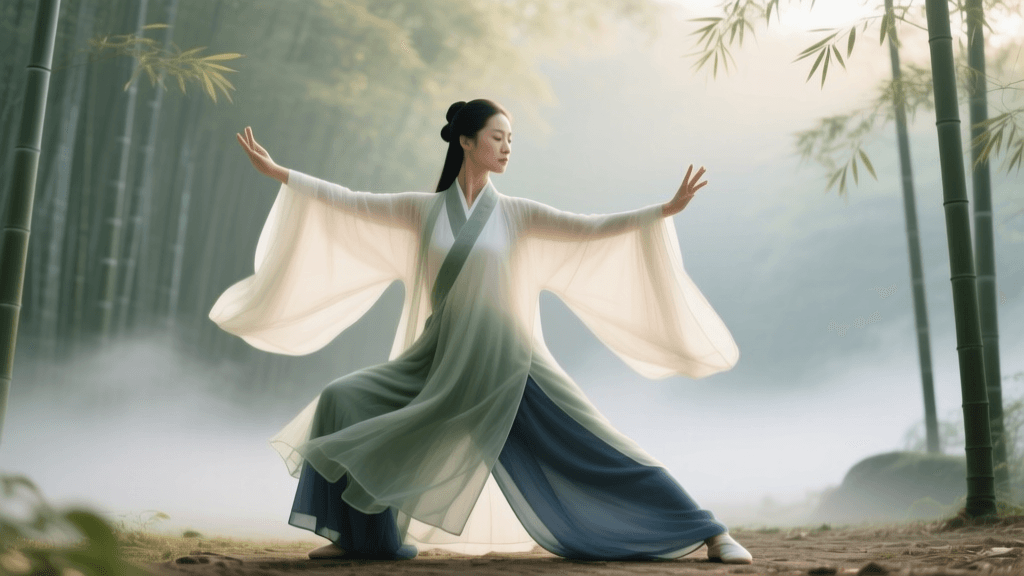
The year 2026 has witnessed an unprecedented convergence of traditional Chinese wellness practices and the global Hanfu revival movement. As practitioners seek deeper authenticity in their Tai Chi and Qigong routines, the garments they wear have become an essential extension of the practice itself. No longer confined to festivals or photography, traditional Chinese clothing is being adapted for daily movement, breathwork, and meditation. The modern Xin Zhongshi (new Chinese style) movement has played a pivotal role in this evolution, blending historical silhouettes with contemporary textile technology to create garments that honor the past while supporting the physical demands of the present.
Tai Chi and Qigong are not merely physical exercises; they are moving meditations that require a harmonious flow of Qi (vital energy) through the body's meridians. According to Harvard Health Publishing, Tai Chi significantly improves balance, reduces stress, and enhances cardiovascular health, making it a cornerstone of holistic wellness in 2026. However, to fully experience these benefits, practitioners must wear clothing that does not restrict the diaphragm, bind the joints, or trap excess body heat. This guide explores the optimal Hanfu fabrics, cuts, and styling choices for the modern wellness practitioner.
The Philosophy of Dressing for Qi Flow
In traditional Chinese medicine and martial arts, clothing is viewed as the body's immediate environment. Tight waistbands, restrictive collars, and heavy synthetic fabrics can impede the deep, diaphragmatic breathing required for advanced Qigong. The concept of Song (active relaxation or releasing tension) is fundamental to Tai Chi. If your garment pulls at the shoulders or restricts the hips during a deep Ma Bu (Horse Stance), your mind will remain tethered to physical discomfort, breaking the meditative state.
The Mayo Clinic highlights the low-impact, joint-friendly nature of Tai Chi, emphasizing the importance of a relaxed physical state. Translating this to wardrobe choices means prioritizing natural fibers, relaxed tailoring, and structural designs that move fluidly with the body's kinetic chains. The historical Hanfu system, with its emphasis on flat-cutting and minimal darts, naturally accommodates this philosophy, provided the correct styles are selected.
Top Hanfu Fabrics for Tai Chi and Qigong in 2026
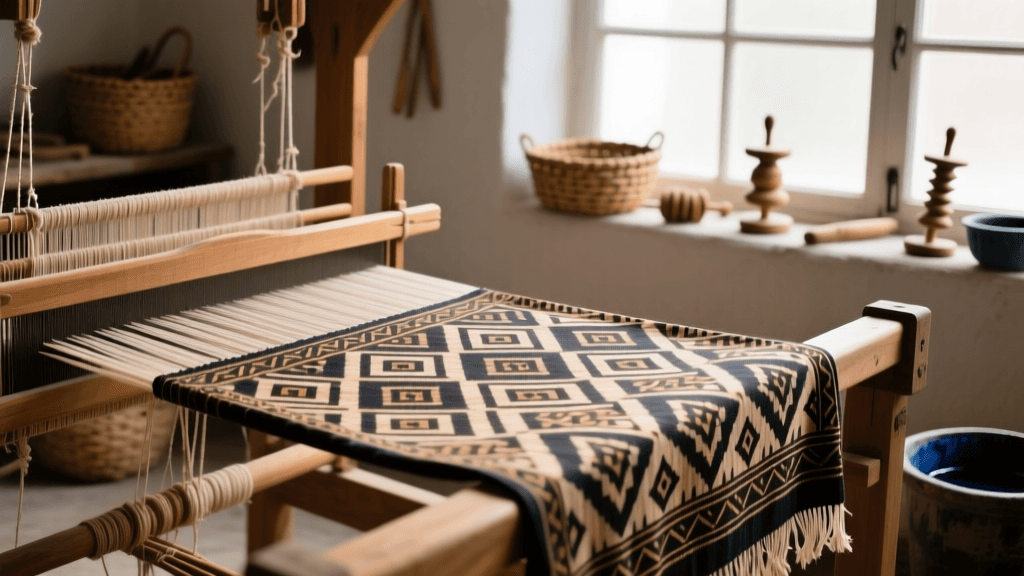
The textile market in 2026 has seen a massive resurgence in sustainable, natural fibers that mimic the breathability of ancient weaves while offering modern durability. When selecting a practice Hanfu, the fabric must possess excellent moisture-wicking properties, a soft drape that follows the body's movements without tangling, and enough weight to ground the practitioner.
| Fabric Type | Breathability | Drape & Weight | Best Practice Style |
|---|---|---|---|
| Traditional Ramie (Xia Bu) | Exceptional | Crisp, lightweight, slightly textured | Summer outdoor Qigong, Ba Duan Jin |
| Mulberry Silk (Habotai) | High | Fluid, ultra-light, smooth against skin | Indoor meditation, gentle Tai Chi forms |
| Bamboo-Linen Blends | Very High | Soft, medium weight, excellent stretch | Daily Xin Zhongshi practice, all seasons |
| Performance Tech-Cotton | Moderate-High | Structured, durable, moisture-wicking | Chen-style Tai Chi, martial applications |
Ramie (Xia Bu): Historically prized for summer wear, ramie is highly breathable and possesses natural antibacterial properties. In 2026, enzyme-washed ramie has eliminated the traditional stiffness, making it incredibly soft while retaining its structural integrity. It is ideal for outdoor Qigong in humid climates.
Bamboo-Linen Blends: The darling of the 2026 Xin Zhongshi market, bamboo-linen blends offer the cooling properties of linen with the soft, stretchy drape of bamboo viscose. This fabric moves seamlessly with wide arm sweeps and deep stances, making it the top recommendation for daily practitioners.
Mulberry Silk: While silk is historically associated with luxury, lightweight silk Habotai or silk-cotton blends are excellent for indoor practice. The Metropolitan Museum of Art notes the historical significance and mastery of Chinese silk weaving, a tradition that continues today with more accessible, washable silk-blends designed specifically for active wear.
Optimal Hanfu Silhouettes for Unrestricted Movement
Not all Hanfu styles are created equal when it comes to physical exertion. While the grand, sweeping sleeves of a formal Ming Dynasty Aoqun are visually stunning, they can catch the wind and disrupt the flow of movement during a Tai Chi sword form. For wellness practices, practitioners should look to historical working-class garments, martial arts attire, and modified daily wear.
Narrow-Sleeved Aoqun and Ruqun for Women
For female practitioners, the Ruqun (blouse and skirt) or Aoqun (lined jacket and skirt) remains a popular choice, but with specific modifications. The key is the sleeve. Opt for Zhai Xiu (narrow sleeves) or sleeves with bound cuffs. This prevents the fabric from sliding down the forearm and obscuring the hands, which is crucial for maintaining proper wrist alignment and energy projection in forms like the 24-step Yang style. Furthermore, ensure the skirt (Mamian Qun or pleated skirt) has a high slit or is cut with enough circumference to allow for deep lunges without the fabric pulling taut across the knees.
The Practicality of the Yesa and Duanda
For men and those preferring unisex martial silhouettes, the Yesa (曳撒) and Duanda (短打) are unparalleled. The Yesa, a robe with a pleated lower hem and side slits, originated as riding and martial wear. The side slits provide absolute freedom for the hips and legs, allowing for flawless transitions between stances. The Duanda, essentially a traditional short tunic and trousers set, is the historical equivalent of modern athletic wear. In 2026, Xin Zhongshi designers have elevated the Duanda with hidden elastic waistbands and reinforced seams, making it the ultimate choice for rigorous Chen-style Tai Chi or dynamic Qigong routines.
True wellness is achieved when the breath, the mind, and the garment move as one unbroken thread. The clothing should never dictate the movement; it should amplify it.
Grounding: Traditional Footwear for the Modern Practitioner
Footwear is arguably the most critical component of Tai Chi and Qigong, as the feet are the root of all movement and the primary connection to the earth's energy. Modern running shoes, with their thick, cushioned heels and elevated toes, disrupt the body's natural alignment and obscure the sensory feedback from the ground.
In 2026, traditional Bu Xie (cloth shoes) with thousand-layer cotton soles remain the gold standard for indoor and dry outdoor practice. These shoes offer zero drop (a completely flat sole), allowing the weight to distribute evenly across the heel, ball, and toes. For outdoor practice on uneven terrain or damp grass, modern minimalist Tai Chi shoes featuring thin, flexible rubber soles with a wide toe box are highly recommended. They provide the necessary grip while maintaining the ground-feel essential for rooting exercises like Zhan Zhuang (standing like a tree).
Maintenance and Care for Practice Garments
Because practice Hanfu is subjected to sweat, friction, and frequent washing, proper maintenance is vital to preserve the fabric's drape and natural dyes. The 2026 market offers many eco-friendly detergents specifically formulated for natural fibers like ramie and bamboo.
- Washing: Always hand-wash or use the delicate cycle with cold water. Avoid harsh alkaline detergents, which can break down bamboo viscose and strip natural dyes from cotton.
- Drying: Never use a mechanical tumble dryer. The high heat will shrink linen blends and destroy the elasticity of bamboo fibers. Instead, gently squeeze out excess water and lay the garment flat on a drying rack in the shade. Direct sunlight can fade traditional indigo and tea-dyed fabrics.
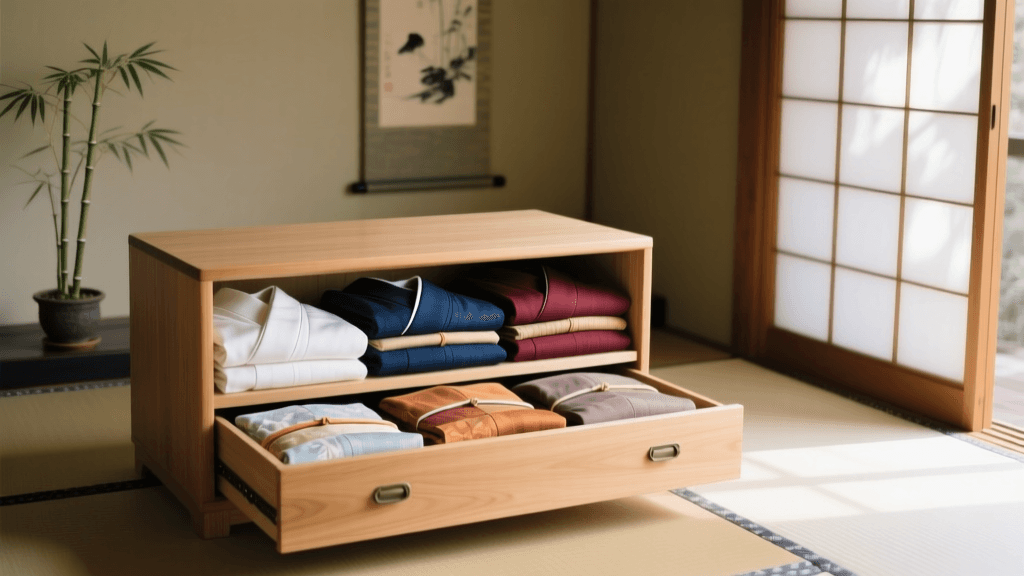
- Storage: Store your practice Hanfu folded rather than hung, especially heavy ramie or linen garments, to prevent the shoulders from stretching out of shape. Use cedar wood blocks in your drawers to naturally repel moisture and insects without the use of chemical mothballs, which can taint the fabric with odors that disrupt deep breathing exercises.
Conclusion
As we move through 2026, the integration of Hanfu into daily wellness routines represents a beautiful synthesis of cultural heritage and holistic health. By carefully selecting breathable, natural fabrics like ramie and bamboo-linen, and choosing historically grounded silhouettes like the Yesa or narrow-sleeved Ruqun, practitioners can create a physical environment that nurtures the flow of Qi. Whether you are practicing the slow, deliberate movements of Tai Chi in a misty park or engaging in deep Qigong breathwork in your living room, the right traditional garment will elevate your practice, connecting you to centuries of wisdom while supporting your modern wellness journey.