Kimono Fabric Sound & Texture: The Sensory Experience 2026
The Multi-Sensory Art of the Kimono
When discussing traditional Japanese garments, the conversation is overwhelmingly dominated by visual aesthetics. We marvel at the intricate yuzen dyeing, the shimmering gold leaf embroidery, and the carefully curated color palettes that reflect the changing seasons. However, to truly understand the kimono in 2026, one must look beyond the visual and embrace the profound sensory experience of the garment. The traditional kimono is a multi-sensory masterpiece, designed to be felt against the skin and heard as the wearer moves through space.
At The Garment Atlas, we believe that understanding Asian traditions requires a holistic approach. In 2026, a renewed global interest in mindful dressing and slow fashion has brought the tactile and acoustic properties of traditional textiles to the forefront. The way a garment feels and sounds is not a mere byproduct of its construction; it is an intentional, deeply cultural element of the wearing experience. Nowhere is this more evident than in the legendary rustle of silk.
The Acoustic Signature of Silk: Understanding Kinu-Zure
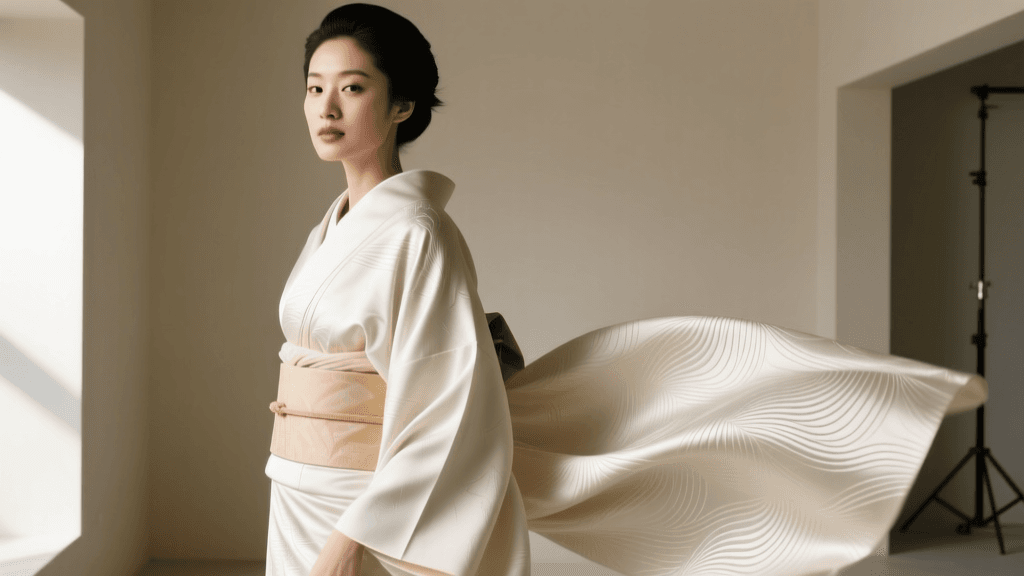
The Japanese language possesses a highly specific, poetic term for the sound of silk garments rubbing together: kinu-zure (衣擦れ). This onomatopoeic and descriptive phrase translates roughly to 'the friction of clothes,' but it specifically denotes the crisp, whispering rustle unique to high-quality silk. Historically, kinu-zure was considered an essential component of a woman's elegance. In the quiet, wooden corridors of a traditional machiya or a serene temple garden, the gentle swish of a silk kimono announced a person's arrival and departure with an understated, auditory grace.
This acoustic signature is deeply tied to the physical properties of the silk thread. Unlike cotton or synthetic fibers, natural silk filaments are shaped like microscopic triangular prisms. When these fibers are tightly woven and layered, the friction between the smooth, protein-based surfaces creates a high-frequency, crisp sound. As noted by the Victoria and Albert Museum's comprehensive guide to kimono, the garment is not merely a piece of clothing but a complex assembly of layers, and it is the interaction between these specific silk layers that generates the iconic sound.
Tactile Landscapes: Comparing Traditional Kimono Textiles
Beyond sound, the tactile sensation of the kimono against the skin is a vital part of the sensory experience. In 2026, contemporary wearers and textile conservators place immense value on the 'hand' (the feel and drape) of traditional fabrics. Different weaving techniques yield vastly different sensory profiles, dictating not only when the garment is worn but how it interacts with the human body.
| Fabric Type | Weave Technique | Tactile Sensation | Acoustic Profile | Best Season |
|---|---|---|---|---|
| Habutae | Plain, tight weave | Exceptionally smooth, cool, fluid drape | Sharp, crisp, continuous rustle | Spring / Autumn |
| Chirimen | Crepe (twisted weft threads) | Textured, slightly bumpy, resilient, warm | Soft, muffled, subtle swish | Autumn / Winter |
| Tsumugi | Pongee (slubbed silk threads) | Rustic, dry, cotton-like, breathable | Very quiet, dull friction sound | Year-round (Casual) |
| Ro / Sha | Leno / Gauze weave | Lightweight, airy, slightly stiff, cooling | Papery, crisp, light brushing sound | Summer |
According to the Metropolitan Museum of Art's historical analysis of Japanese dress, the evolution of silk weaving techniques like chirimen (crepe) was driven by a desire for both visual depth and tactile comfort. The twisting of the weft threads in chirimen creates microscopic pebbles on the fabric's surface. This not only prevents the silk from clinging to the skin during humid Japanese summers but also alters the acoustic profile, dampening the sharp kinu-zure into a softer, more muted whisper.
Preserving the Sensory Experience in 2026
As we navigate 2026, the preservation of these sensory traditions has taken on new, technologically advanced forms. The Japan Kogei Association continues to champion these multi-sensory crafting techniques, ensuring that the knowledge of how to spin, twist, and weave silk to achieve specific acoustic and tactile results is passed down to the next generation of artisans.
This year, several immersive cultural exhibitions in Kyoto and Tokyo have moved beyond visual displays to incorporate spatial audio and haptic feedback. Visitors to these 2026 exhibitions can don specialized headphones that amplify the kinu-zure of a passing maiko, while simultaneously touching replica fabric swatches engineered to mimic the exact thermal and textural properties of Edo-period habutae. This multi-sensory archiving is crucial; as synthetic alternatives and modern, simplified weaving methods become more prevalent, the authentic acoustic signature of hand-loomed Nishijin silk risks being lost to history.
Cultivating the Sensory Experience: A Guide for the Wearer
For those wearing a kimono today, whether for a formal tea ceremony, a summer festival, or a modern fashion editorial, actively cultivating the sensory experience elevates the practice from mere costuming to a profound cultural embodiment. Here is how you can maximize the texture and sound of your kimono in 2026.
1. Master the Art of Layering
The kinu-zure sound cannot be achieved with a single layer of fabric. It requires the friction of multiple silk layers moving independently. Always wear a high-quality silk or silk-blend nagajuban (under-kimono). The friction between the nagajuban, the main kimono, and the silk lining of the awase (lined kimono) creates the complex, multi-tonal rustle that is highly prized. Ensure your undergarments are smooth; any cotton or textured synthetic base layers will muffle the sound and disrupt the fluid drape of the outer silk.
2. The Suriashi Glide
The sound of the kimono is inextricably linked to the movement of the wearer. Traditional Japanese walking technique, known as suriashi, involves sliding the feet forward while keeping the toes slightly pointed inward and the upper body remarkably still. This gliding motion prevents the hem of the kimono from flapping chaotically. Instead, it allows the lower half of the garment to sway rhythmically, producing a steady, soothing swish-swish cadence. Practicing suriashi not only improves your posture but transforms your movement into an auditory performance.
3. Strategic Obi Selection
The obi (sash) acts as the acoustic anchor of the ensemble. A stiff, heavily brocaded maru obi or fukuro obi will create a sharp, distinct friction sound against the softer silk of the kimono body. In 2026, many contemporary kimono stylists recommend pairing a soft, fluid chirimen kimono with a tightly woven, metallic-threaded brocade obi to maximize the contrast in both tactile sensation and acoustic resonance. The stiffness of the obi forces the softer kimono silk to fold and compress around it, generating a richer, more pronounced rustle with every step.
4. Embrace Seasonal Textures
Do not ignore the tactile dictates of the seasons. In the peak of summer, wearing a ro or sha gauze kimono provides a vital cooling sensation against the skin, and the stiff, papery sound of the gauze is the auditory hallmark of the season. Conversely, in winter, the dense, pebbled texture of an omon (heavy crepe) kimono lined with thick, soft silk provides a comforting, enveloping warmth. Aligning your tactile experience with the natural environment is a core tenet of Japanese aesthetic philosophy.
Conclusion
The traditional Japanese kimono is far more than a visual feast; it is a symphony of texture, temperature, and sound. The phenomenon of kinu-zure reminds us that clothing is an intimate, interactive medium that shapes how we move and how we are perceived in the space around us. As we continue to explore and preserve Asian traditions in 2026, paying attention to the sensory nuances of garments like the kimono allows us to connect with the past on a deeply physical level. By understanding the physics of silk, respecting the weaving techniques of master artisans, and adopting the mindful movements of traditional wearers, we can ensure that the beautiful, whispering rustle of the kimono continues to echo through the corridors of time.