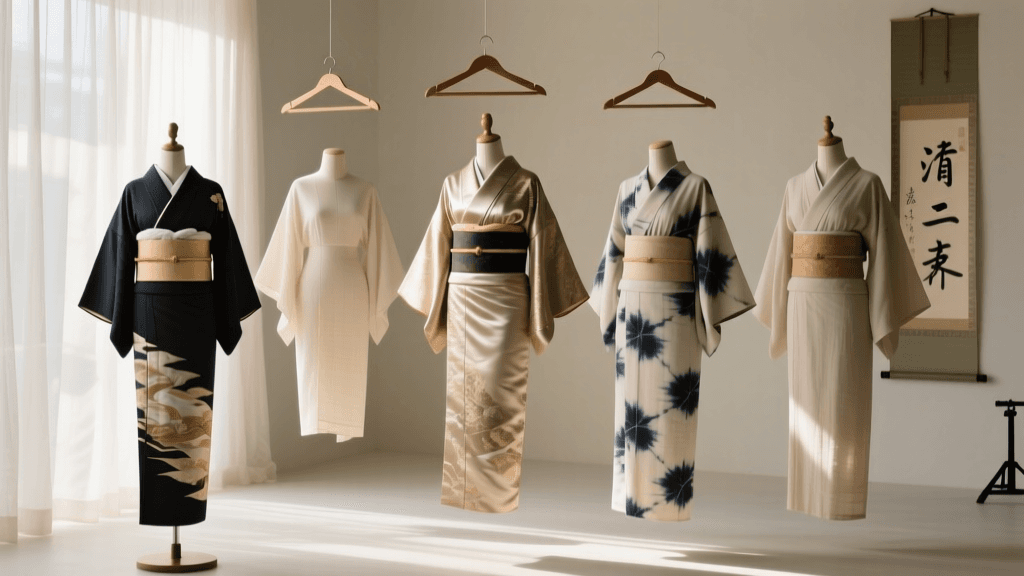
Kinu-Zure: Kimono Fabric Sound & Sensory Guide 2026
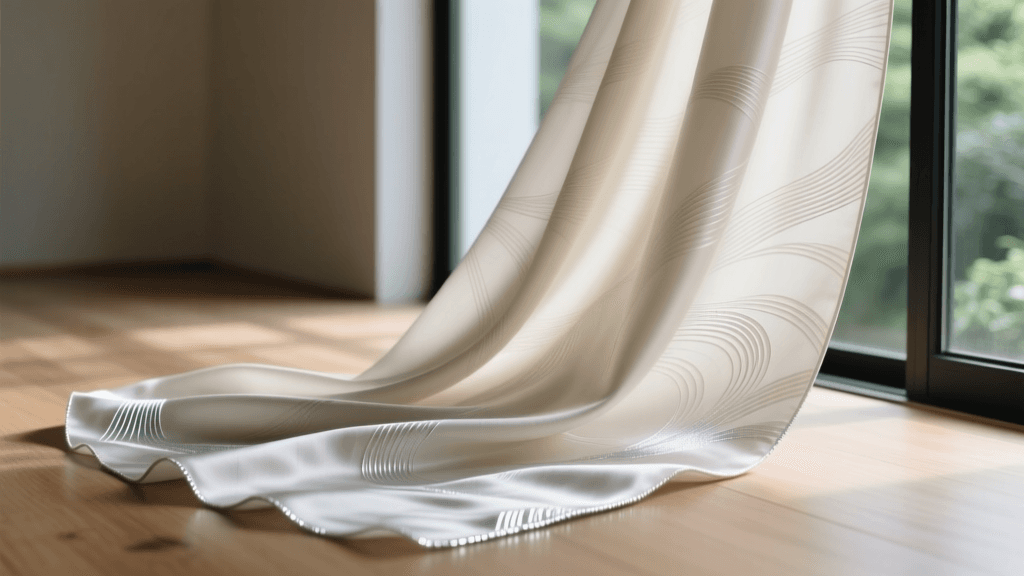
The Hidden Language of Silk: Understanding Kinu-Zure in 2026
When we discuss traditional Japanese garments, the conversation often revolves around visual aesthetics: the vibrant dyes of Yuzen silk, the intricate patterns of Nishijin brocade, or the elegant drape of the obi. However, in 2026, the global slow-fashion and mindful-living movements have placed a renewed emphasis on the multi-sensory experience of clothing. At the forefront of this sensory renaissance is kinu-zure (衣擦れ), the evocative Japanese term for the rustling sound of silk. This acoustic phenomenon, combined with the distinct tactile feedback of traditional weaves, transforms the act of wearing a kimono from a mere visual display into a fully immersive, meditative experience.
The concept of kinu-zure is deeply rooted in Japanese aesthetic philosophy, where the unseen and the subtle are prized alongside the obvious. In historical contexts, the sound of a woman's kimono rustling in a quiet wooden corridor announced her presence before she was even seen, creating an aura of mystery and elegance. Today, as modern wearers and textile artisans seek deeper connections to their garments, understanding the acoustic and tactile profiles of different kimono fabrics has become an essential aspect of the art of kitsuke (kimono dressing). This guide explores the sensory landscape of traditional Japanese textiles, offering actionable insights for collectors, wearers, and enthusiasts navigating the kimono revival of 2026.
The Acoustic Profile of Traditional Silk Weaves
Not all silks speak with the same voice. The sound a kimono produces is dictated by its weave structure, the twist of the yarn, and the presence of sericin (the natural gum that coats silk fibers). In 2026, acoustic textile analysis has become a niche but fascinating field within Japanese heritage preservation, with institutions using sensitive audio equipment to catalog the 'voices' of endangered regional weaves. According to preservation initiatives supported by the Ministry of Economy, Trade and Industry, documenting these sensory attributes is just as critical as preserving the visual patterns of designated traditional crafts.
The sharpest and most recognizable kinu-zure comes from tightly woven, flat silk fabrics. When the warp and weft threads are tightly packed and relatively untwisted, the friction between the layers of the garment creates a crisp, high-pitched rustle. Conversely, fabrics that utilize highly twisted yarns or looser weave structures absorb sound, resulting in a softer, more muted acoustic profile. The rhythm of the wearer's walk also plays a crucial role; a slow, deliberate glide (the traditional suriashi walking style) produces a continuous, soothing whisper, while a brisk, modern stride creates a staccato swishing effect.
Comparative Guide to Kimono Fabric Acoustics and Textures
| Fabric Type | Japanese Term | Weave Structure | Tactile Feel | Acoustic Profile (Kinu-zure) |
|---|---|---|---|---|
| Silk Taffeta | Hei | Plain, tight, flat | Crisp, smooth, cool to the touch | High-pitched, sharp, prominent rustle |
| Silk Crepe | Chirimen | Twisted weft, plain | Pebbled, soft, warm, pliable | Muffled, soft brushing sound, low resonance |
| Silk Gauze | Ro / Sha | Leno / Open plain | Sheer, lightweight, airy, slightly textured | Whisper-quiet, subtle, breathy swish |
| Silk Pongee | Tsumugi | Plain, slubbed yarn | Nubby, textured, earthy, stiff initially | Low resonance, dull thud, minimal rustle |
| Satin Brocade | Shusu / Nishiki | Satin weave, heavy | Heavy, slick, warm, substantial drape | Deep, rhythmic swoosh, heavy friction |
Tactile Sensations: Weight, Drape, and Temperature
Beyond sound, the tactile experience of a kimono is defined by its interaction with the body and the environment. In 2026, the integration of modern climate-controlled undergarments (juban) has allowed wearers to comfortably experience the pure, unadulterated textures of outer silk layers without the discomfort of seasonal temperature extremes. The Japanese concept of shari refers to the crispness or 'bite' of a fabric, while fuku describes a soft, yielding drape. Mastering the sensory experience of kimono wearing requires matching these tactile properties to the season and the occasion.
For the height of summer, ro and sha (sheer gauze weaves) offer a tactile sensation of coolness. The open weave allows air to circulate against the skin, while the slight stiffness of the leno weave prevents the fabric from clinging to the body. The sensation is one of wearing a cool, structured breeze. In contrast, winter calls for chirimen (crepe) or heavy brocades. The highly twisted weft threads in chirimen create a microscopic pebbled surface that traps air, providing natural insulation. The tactile feedback of chirimen is incredibly soothing; it yields to the body's movements, wrapping the wearer in a soft, warm embrace that feels distinctly organic.
Tsumugi (pongee) silk offers a completely different tactile journey. Woven from silk noil or slubbed threads, tsumugi lacks the slick, slippery feel of glossy silk. Instead, it feels almost like cotton or linen, with a satisfying, earthy texture. In 2026, artisanal tsumugi from regions like Yuki and Oshima are highly prized not just for their visual kasuri (ikat) patterns, but for their 'hand'—the way they soften and mold to the wearer's body over decades of use, becoming a deeply personal, tactile record of the owner's life.
The Art of Listening: Mindful Kimono Wearing in 2026
The sensory experience of a kimono is not passive; it requires active participation from the wearer. The resurgence of mindfulness practices in 2026 has intersected beautifully with traditional Japanese arts, leading to the rise of 'sensory kitsuke' workshops in Kyoto, Kanazawa, and Tokyo. These sessions focus less on the rigid rules of folding and tying, and more on the physical and auditory feedback of the garment.
Instructors in these modern workshops emphasize the connection between posture, breath, and the sound of the silk. When a wearer slouches or moves erratically, the kimono bunches and the kinu-zure becomes chaotic and harsh. By adopting proper posture—keeping the spine straight, the shoulders relaxed, and the core engaged—the fabric hangs in clean, parallel lines. This alignment allows the silk layers to glide smoothly against one another, producing a harmonious, rhythmic sound that syncs with the wearer's breathing and footsteps.
Furthermore, the choice of accessories plays a vital role in the sensory loop. The smooth, cool touch of a polished tortoiseshell or high-grade resin obi-jime (the cord that ties the obi) against the fingertips provides a grounding tactile anchor. The subtle scent of traditional camphor or hinoki wood from the storage chests, which clings faintly to the silk, completes a multi-sensory experience that engages touch, hearing, and smell simultaneously.
Preserving the Voice: Care and Maintenance of Textile Acoustics
A common tragedy in textile preservation is the 'silencing' of a vintage kimono through improper care. The acoustic properties of silk are heavily dependent on the integrity of the fibroin protein and the presence of natural sericin. Harsh chemical dry cleaning, a standard practice in the late 20th century, often strips the silk of its natural oils and sericin, leaving the fabric brittle, flat, and acoustically dead. The rustle becomes a dry, papery crackle rather than a rich, fluid swoosh.
In 2026, the kimono care industry has largely shifted toward advanced, eco-friendly conservation methods that prioritize sensory preservation. The Agency for Cultural Affairs in Japan has endorsed new guidelines for the conservation of intangible cultural properties, which now explicitly include the preservation of the tactile and acoustic qualities of traditional textiles. Modern specialty cleaners utilize liquid carbon dioxide (CO2) cleaning technologies combined with silk-specific amino acid treatments. This process removes soil and odors without agitating the fibers or stripping their natural protective coatings, ensuring the fabric retains its original 'voice' and drape.
For the home collector, preserving the sensory qualities of a kimono requires mindful storage. Silk must be allowed to breathe. Storing garments in traditional tatou (Japanese paper) wrappers within a paulownia wood (kiri) chest remains the gold standard in 2026. The paulownia wood naturally regulates humidity, preventing the silk from becoming damp and heavy (which muffles the sound) or overly dry and brittle (which causes harsh crackling). Regularly airing out the garments during the dry, crisp days of late autumn—a practice known as mushiboshi—reinvigorates the fibers, restoring their natural crispness and acoustic resonance.
Conclusion: Embracing the Unseen Aesthetics
As we navigate the fashion landscape of 2026, the kimono stands as a profound reminder that clothing is meant to be experienced, not just observed. The phenomenon of kinu-zure and the rich tactile diversity of Japanese weaves invite us to slow down and engage our senses fully. Whether you are feeling the earthy slubs of a vintage tsumugi, listening to the sharp, elegant whisper of a taffeta haori, or simply practicing mindful movement in a soft chirimen hitoe, the sensory experience of the kimono offers a deeply grounding connection to centuries of artisanal mastery. By understanding and preserving these acoustic and tactile nuances, we ensure that the hidden language of silk continues to speak to future generations.