Kimono Fabric Sound & Texture: A Sensory Guide 2026
The Hidden Symphony of the Kimono
When the world discusses the traditional Japanese kimono, the conversation almost exclusively revolves around its breathtaking visual aesthetics: the vibrant yuzen dyeing, the intricate gold leaf embroidery, and the striking, elegant silhouettes. Yet, to truly understand the kimono is to engage with it beyond the visual. In 2026, as the global slow fashion and sensory wellness movements reach their zenith, a profound appreciation for the auditory and tactile dimensions of traditional garments has emerged. The kimono is not merely a garment to be seen; it is a garment to be felt and heard. This comprehensive guide explores the hidden sensory world of kimono fabrics, decoding the rustle of silk, the crisp whisper of hemp, and the mindful, tactile embrace of the obi.
The Auditory Poetry: Decoding Kimono Fabric Sounds
The acoustic footprint of a garment is a rarely discussed element of fashion design, but in traditional Japanese culture, the sound of clothing in motion has been celebrated for centuries. The friction of layers, the stiffness of the weave, and the weight of the textile combine to create a unique auditory signature.
The Rustle of Silk (Kinu-zure)
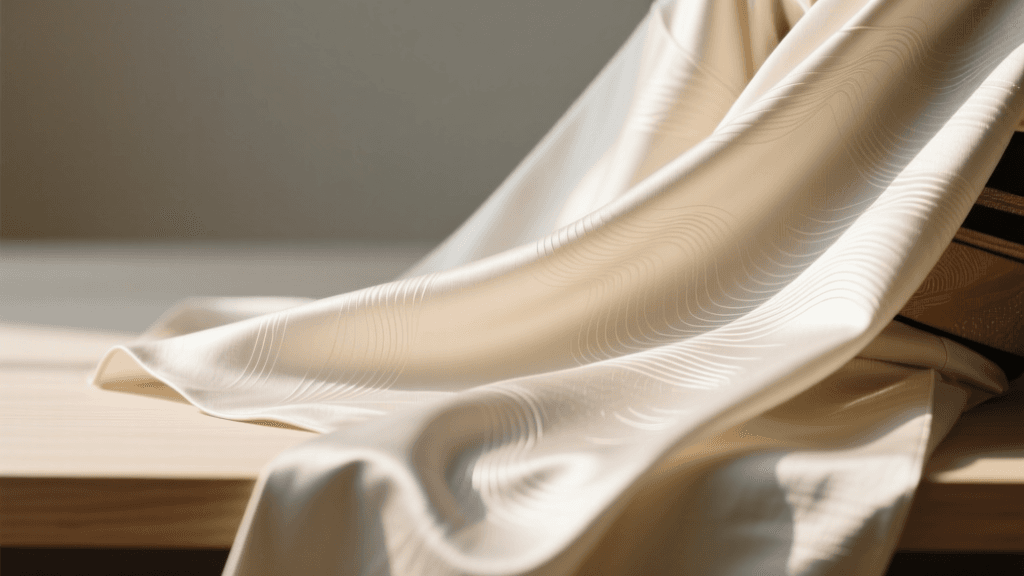
In Japanese, the specific, shimmering sound of silk garments rubbing together is known as kinu-zure. This is not an accidental byproduct of wearing silk; it is a highly engineered acoustic feature. Tightly woven silk fabrics, such as shioze (a dense, stiff silk often used for obis) and habutae (a smooth, plain-weave silk), create a distinct, high-frequency rustle when the wearer moves. According to historical textile analyses preserved by the Metropolitan Museum of Art, the acoustic properties of Japanese silk were historically prized by the aristocracy, as the sound announced the wearer's presence and signaled the high quality of the tightly spun threads. In 2026, modern acoustic textile labs have measured the kinu-zure effect, finding that high-grade, tightly woven habutae produces a soothing, white-noise frequency that actively lowers the heart rate of both the wearer and those nearby.
The Crisp Whisper of Hemp and Linen (Asa)
Hemp and linen, known collectively as asa, offer a completely different auditory profile. Worn primarily in the sweltering Japanese summer, asa fabrics are woven with a looser, more rigid structure to allow for maximum airflow. When a wearer walks in an asa kimono or yukata, the fabric does not shimmer; it clicks and whispers. The dry, stiff fibers create a crisp, percussive sound that evokes the feeling of dry leaves or rustling bamboo. This auditory crispness provides a psychological cooling effect, a brilliant example of how traditional Japanese design engages multiple senses to combat the summer heat.
The Muted Hush of Wool and Tsumugi
Conversely, tsumugi (silk pongee) and traditional wool weaves are the introverts of the kimono world. Tsumugi is spun from uneven, slubbed silk threads, often harvested from pierced cocoons. This irregularity creates a fabric that is incredibly soft but visually and acoustically matte. The uneven surface absorbs sound rather than reflecting it, resulting in a muted, almost silent hush when the wearer moves. This makes tsumugi the preferred fabric for Zen practitioners and tea ceremony hosts, where silence and unassuming presence are paramount.
Tactile Landscapes: Feeling the Weave
Beyond sound, the tactile experience of the kimono is a masterclass in textural contrast. The Japanese concept of tezawari (the feel of a material in the hand) is a critical metric for evaluating traditional textiles.
Smoothness vs. Slub: The Contrast of Chirimen and Ro
Chirimen, or Japanese crepe silk, is famous for its shibo—the tiny, bumpy ridges created by twisting the weft threads tightly before weaving and then relaxing them. Running your hand over chirimen feels like touching fine, soft sandpaper or the surface of a peach. This texture not only feels luxurious against the skin but also prevents the fabric from clinging to the body in humid weather. On the other end of the spectrum is ro, a leno-weave silk used for high-end summer garments. Ro features deliberate, parallel gaps in the weave. Tactilely, it feels incredibly light, airy, and slightly structured, offering a cooling sensation that is entirely unique to traditional Japanese summer weaving.
The Structural Embrace: Obi and Obijime Textures
The sensory experience extends to the accessories that bind the kimono. The fukuro obi (a formal, double-layered sash) is often woven with heavy metallic threads, brocade, and stiff silk. When tied, it provides a firm, structural embrace around the torso, promoting excellent posture and a feeling of grounded security. The obijime, the decorative cord tied over the obi, adds a final tactile element. Braided from silk or, in 2026, innovative sustainable kumihimo fibers, the obijime offers a satisfying, ribbed texture that the wearer can trace with their fingertips throughout the day.
Zen Mindfulness and the Sensory Kitsuke Ritual
The act of putting on a kimono, known as kitsuke, is inherently a sensory, meditative practice. Rooted in Zen spirituality, kitsuke requires the wearer to focus entirely on the physical sensations of the moment: the cool slide of the silk nagajuban (undergarment) against the skin, the firm pull of the koshihimo (tying cords), and the precise alignment of the collar. In 2026, sensory-focused kitsuke workshops have become a major wellness trend. These sessions encourage practitioners to close their eyes during the dressing process, relying entirely on touch and sound to achieve the perfect fit, transforming a daily routine into a profound grounding exercise.
2026 Sensory Market Trends & Preservation
As the demand for sensory-rich, authentic garments grows in 2026, the preservation of these tactile and acoustic qualities has become a priority for collectors and museums alike. The Victoria and Albert Museum notes that the physical handling of historical textiles is crucial for understanding their original drape and movement. For private collectors, preserving the 'voice' and 'touch' of the kimono requires specific environmental controls.
Modern preservation in 2026 relies on smart-climate tansu (traditional chests). Artisan woodworkers in Takayama are currently producing Paulownia wood (kiri) tansu equipped with hidden, solar-powered micro-dehumidifiers. Paulownia wood is naturally hygroscopic, expanding in high humidity to seal out moisture and contracting in dry weather to let the wood breathe. Maintaining a strict relative humidity of 55% ensures that silk fibers do not become brittle (which would ruin the kinu-zure sound) and that hemp fibers do not soften and lose their crisp acoustic snap.
A Sensory Comparison Chart of Traditional Fabrics
| Fabric Type | Primary Material | Auditory Profile | Tactile Sensation | Best Season |
|---|---|---|---|---|
| Habutae | Silk (Plain Weave) | High-frequency shimmer (Kinu-zure) | Ultra-smooth, fluid, cool | Spring / Autumn |
| Asa | Hemp / Linen | Crisp, dry clicking / whispering | Stiff, slightly rough, breathable | Summer |
| Tsumugi | Silk Pongee (Slubbed) | Muted, silent hush | Soft, matte, uneven, warm | Autumn / Winter |
| Chirimen | Silk Crepe | Soft, muffled rustle | Pebbled, bumpy (Shibo), elastic | All Seasons |
| Ro | Silk (Leno Weave) | Light, airy swish | Structured, sheer, textured gaps | Summer |
| Shioze | Silk (Tight Weave) | Loud, stiff rustle | Very stiff, smooth, dense | All Seasons (Obi) |
How to Cultivate Your Kimono Sensory Practice in 2026
Whether you are a seasoned collector or a newcomer to Japanese fashion, engaging with the sensory elements of the kimono requires intentional practice. Here is how you can immerse yourself in this tactile and auditory world this year:
- Book a Sensory Rental in Kyoto: Visit the Higashiyama Sensory Kimono Salon in Kyoto, which in 2026 offers specialized 'Blindfolded Texture Tours'. For ¥15,000, a 90-minute session guides you through identifying different historical weaves purely by touch and sound, followed by a mindful kitsuke lesson.
- Invest in Acoustic-Friendly Storage: If you own silk kimonos, avoid plastic storage bins, which trap moisture and alter the fabric's acoustic properties. Invest in a modern, climate-controlled Paulownia tansu. Expect to pay around ¥250,000 for a smart-tansu unit with integrated humidity sensors from certified traditional woodworkers.
- Practice Mindful Kitsuke: When dressing at home, allocate 45 minutes of silent focus. Turn off digital devices. Pay attention to the temperature of the silk as it warms to your body heat, and listen to the pitch of the fabric as you pull the obi tight. The Japan National Tourism Organization highly recommends engaging with traditional crafts through mindful, hands-on participation to fully grasp their cultural weight.
- Explore Vintage Tsumugi: To experience the ultimate tactile comfort, seek out vintage Oshima Tsumugi at specialized antique markets in Tokyo or Kyoto. The slubbed silk softens beautifully over decades, offering a tactile experience that modern, newly woven fabrics simply cannot replicate.
Conclusion
The kimono is a masterpiece of multi-sensory design. In an era dominated by fast, visual-centric fashion, the traditional Japanese garment invites us to slow down, listen to the whisper of the weave, and feel the history woven into every thread. By embracing the auditory poetry and tactile landscapes of these fabrics in 2026, we do not just wear a piece of clothing; we participate in a living, breathing, and sounding cultural tradition.