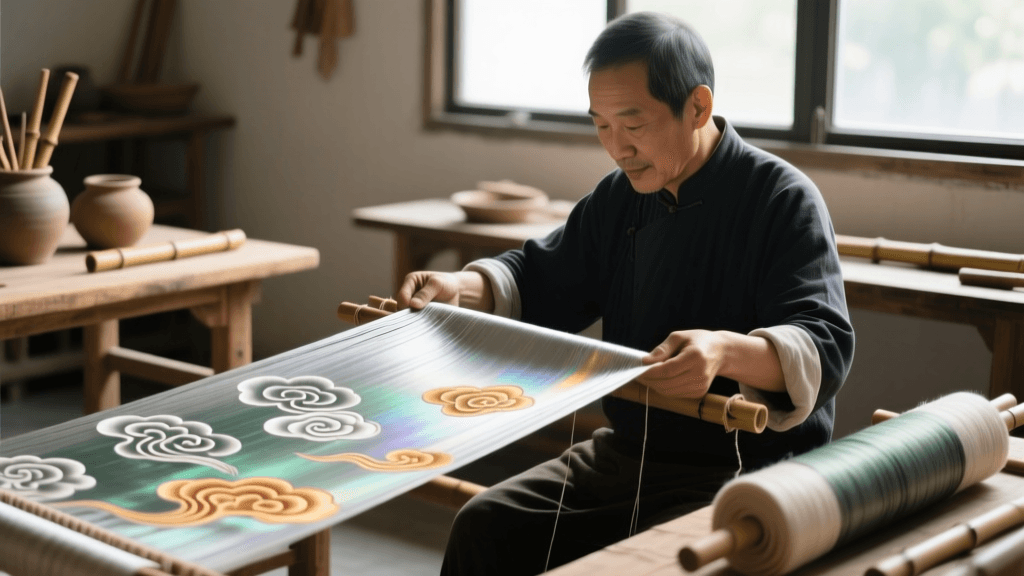
Sustainable Japanese Ai Indigo Dyeing Methods in 2026
The Renaissance of Aizome in Sustainable Fashion
As the global fashion industry faces stringent environmental regulations in 2026, traditional textile artisans and modern sustainable brands are increasingly turning to ancient botanical dyeing methods. Among these, Japanese Aizome (indigo dyeing) has emerged as a premier eco-friendly alternative to synthetic petrochemical dyes. Unlike synthetic indigo, which relies on aniline, formaldehyde, and heavy metal fixatives, traditional Japanese indigo utilizes Polygonum tinctorium (Japanese indigo plant) and natural fermentation processes that are entirely biodegradable and non-toxic.
This comprehensive guide explores the sustainable cultivation, eco-friendly vat building, and modern application of Japanese natural dye plants in 2026, providing actionable insights for textile artists, sustainable fashion designers, and cultural preservationists.
The Ecology of Polygonum Tinctorium (Japanese Ai)
While much of the world's natural indigo comes from Indigofera tinctoria (native to India and Africa), Japan's indigenous indigo plant is Polygonum tinctorium, a member of the buckwheat family. In 2026, regenerative agriculture practices have revolutionized how Polygonum tinctorium is cultivated, particularly in Tokushima Prefecture, the historical heartland of Japanese indigo.
Modern sustainable farms now employ crop rotation and companion planting to maintain soil health without synthetic fertilizers. The leaves are harvested in late summer, steamed, and dried. According to the Food and Agriculture Organization (FAO) guidelines on regenerative botanical cultivation, integrating deep-rooted cover crops alongside dye plants significantly reduces soil erosion and enhances the microbial biodiversity necessary for organic farming. This ensures that the agricultural footprint of Ai remains carbon-negative or neutral.
From Leaves to Sukumo: The Composting Process
The harvested leaves are not used immediately. They undergo a meticulous 90-day fermentation and composting process to become sukumo (dried, fermented indigo leaves). Artisans sprinkle the leaves with water and turn them every few days. This aerobic fermentation breaks down the plant cell walls and concentrates the indican (the precursor to indigo pigment). The resulting sukumo is a potent, shelf-stable dye material that can be stored for years, minimizing waste and maximizing resource efficiency.
Building an Eco-Friendly Sukumo Fermentation Vat
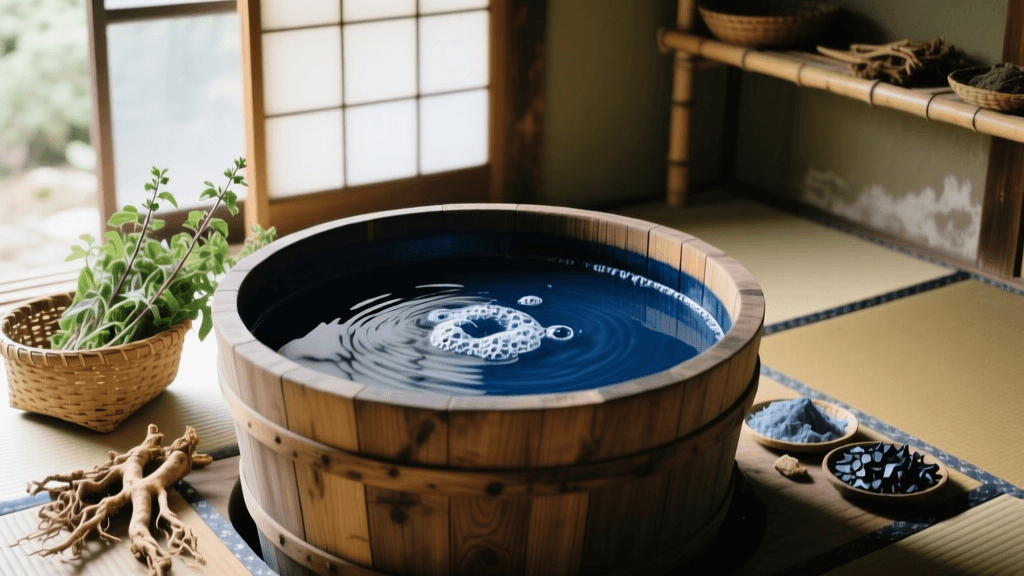
The traditional Japanese indigo vat, known as the aidate, is a living, breathing alkaline fermentation environment. Unlike chemical reduction vats that use sodium hydrosulfite (a toxic and environmentally damaging reducing agent), the natural sukumo vat uses organic matter to reduce the indigo, making it water-soluble so it can bind to natural fibers.
Here is a precise, actionable recipe for building a 20-liter sustainable fermentation vat in 2026:
- Base Material: 5 kg of high-quality sukumo (sourced from certified organic Tokushima farms).
- Alkaline Agent: 1.5 liters of wood ash lye (pH 12-13). Hardwood ash (such as oak or cherry) is boiled in water, filtered, and aged for two weeks.
- Nutrient/Food Source: 500 ml of unpasteurized sake or wheat bran mash. This feeds the indigo-reducing bacteria.
- Mineral Buffer: 250 g of crushed, baked eggshells or natural limestone powder to stabilize the pH.
Step-by-Step Vat Maintenance
Mix the sukumo, wood ash lye, and sake in a ceramic or food-grade plastic vat. Stir thoroughly and seal. The ideal ambient temperature for the bacteria to thrive is between 20°C and 25°C (68°F - 77°F). In modern studio environments, eco-friendly solar-powered heating mats are often wrapped around the vat base during winter months to maintain this temperature without relying on fossil fuels.
Check the pH daily using a digital meter; it should remain between 11.0 and 11.5. If the pH drops, add a small amount of wood ash lye. If the vat smells sour or acidic, it is "sick" and requires more sake and warmth. A healthy vat will feature a dark, metallic-looking foam on the surface, known as the ai no hana (indigo flower).
"The indigo vat is not a chemical bath; it is a living ecosystem. When you feed it well and respect its balance, it yields a blue that synthetic dyes simply cannot replicate in depth or lightfastness." — Master Dyer philosophy, widely taught in 2026 sustainable textile workshops.
Natural Mordants vs. Synthetic Fixatives
A critical component of sustainable natural dyeing is the mordant—the substance used to bind the dye to the fiber. Historically, some natural dyeing methods relied on heavy metals like chrome or tin, which are highly toxic to aquatic ecosystems. In 2026, eco-conscious artisans strictly use biodegradable, naturally occurring mordants. The Victoria and Albert Museum's comprehensive guide on natural indigo highlights that while true indigo is a vat dye and technically requires no mordant due to its oxidation process, other Japanese botanical dyes rely heavily on safe, natural fixatives.
| Mordant Type | Source / Composition | Environmental Impact (2026 Standards) | Best Used With |
|---|---|---|---|
| Potassium Aluminum Sulfate (Alum) | Naturally occurring mineral salts | Low impact; safe for greywater systems in small quantities | Kihada (Yellow), Benibana (Red) |
| Iron (Ferrous Sulfate) | Rusted iron scraps soaked in vinegar | Moderate; requires careful disposal, but upcycles waste metal | Walnut hulls, Persimmon tannin |
| Soy Milk (Protein Binder) | Organic, non-GMO soybeans | Zero impact; 100% biodegradable and compostable | Cellulose fibers (cotton, hemp, linen) |
| Tannic Acid (Gallnut) | Oak galls or pomegranate rinds | Zero impact; agricultural byproduct | Pre-mordanting for deep indigo over-dyes |
For protein fibers like silk and wool, alum is generally sufficient. For cellulose fibers like organic cotton or hemp, a soy milk binder followed by a tannin-rich gallnut bath provides excellent colorfastness without introducing heavy metals into the water table.
Other Sustainable Japanese Dye Plants for 2026
While indigo is the most famous, Japan's botanical dye repertoire includes several other highly sustainable plants that are gaining traction in the global eco-fashion market.
Kakishibu (Persimmon Tannin)
Derived from the fermented juice of unripe astringent persimmons, Kakishibu is a remarkable natural dye and finish. It requires no heat and no mordant. When applied to cotton or hemp and exposed to UV sunlight, it oxidizes to a deep, water-resistant brown. In 2026, Kakishibu is heavily utilized in sustainable outdoor gear and accessories due to its natural antimicrobial, water-repellent, and insect-repellent properties, replacing toxic PFAS (forever chemicals) in fabric finishes.
Kihada (Amur Cork Tree)
The inner bark of the Phellodendron amurense tree yields a brilliant, vibrant yellow due to its high berberine content. Sustainable harvesting in 2026 involves pruning the cork bark without felling the tree, allowing it to regenerate. Kihada has been historically used for dyeing Buddhist monk robes and important documents because berberine naturally repels silverfish and bookworms.
Benibana (Safflower)
Carthamus tinctorius produces both a water-soluble yellow pigment and a non-water-soluble red pigment (carthamin). Extracting the red requires a precise alkaline wash using straw ash. Though labor-intensive, the resulting cherry-pink and crimson hues are entirely plant-based and biodegradable, offering a sustainable alternative to toxic azo dyes commonly used for red textiles.
Sourcing and Cost Guide for Artisans
As demand for traceable, eco-friendly textiles has surged, the supply chain for authentic Japanese natural dyes has adapted. In 2026, artisans can source materials directly from cooperatives in Tokushima, Kyoto, and Iwate. Here is a breakdown of current market costs for small-batch studios:
- Organic Sukumo (Fermented Indigo): $55 - $75 USD per kilogram. (Yields approximately 15-20 liters of active vat, capable of dyeing 5-10 kg of yarn or fabric before requiring replenishment).
- Kakishibu (Persimmon Tannin Liquid): $30 - $40 USD per liter (concentrated).
- Kihada (Amur Cork Tree Bark Chips): $25 USD per 500 grams.
- Wood Ash Lye (Pre-made, food-grade): $20 USD per liter.
While the upfront cost of natural dyes is higher per kilogram than synthetic equivalents, the value proposition in 2026 lies in the premium pricing of sustainable, non-toxic, and culturally rich garments. Consumers are increasingly willing to pay a 30-40% premium for textiles certified as free from microplastics and petrochemical runoff.
Water Stewardship and Zero-Waste Dyeing
A major criticism of the broader textile dyeing industry is water pollution. Synthetic indigo dyeing often results in highly alkaline, heavy-metal-laden wastewater that devastates local river ecosystems. In contrast, the Japanese natural dye methodology of 2026 embraces closed-loop water systems.
Because the sukumo vat is organic and non-toxic, the spent vat liquid can be safely neutralized with a mild citric acid wash and used to irrigate agricultural crops. The residual plant matter from the vat is composted and returned to the soil to fertilize the next season's Polygonum tinctorium crop. This circular, zero-waste approach perfectly aligns with the stringent 2026 global environmental, social, and governance (ESG) mandates for textile manufacturers.
Conclusion
The integration of Japanese natural dye plants into modern textile production is not merely a nostalgic return to the past; it is a vital, forward-looking strategy for sustainable fashion. By mastering the Polygonum tinctorium fermentation vat, utilizing safe natural mordants, and embracing zero-waste water stewardship, artisans and brands in 2026 are proving that ecological responsibility and breathtaking aesthetic beauty can coexist. As the world moves away from the toxic legacy of synthetic dyes, the living, breathing blue of Aizome stands as a testament to the enduring power of nature and traditional craftsmanship.