2026 Kimono Travel Guide: What to Pack & Where to Wear
Introduction to the 2026 Kimono Travel Renaissance
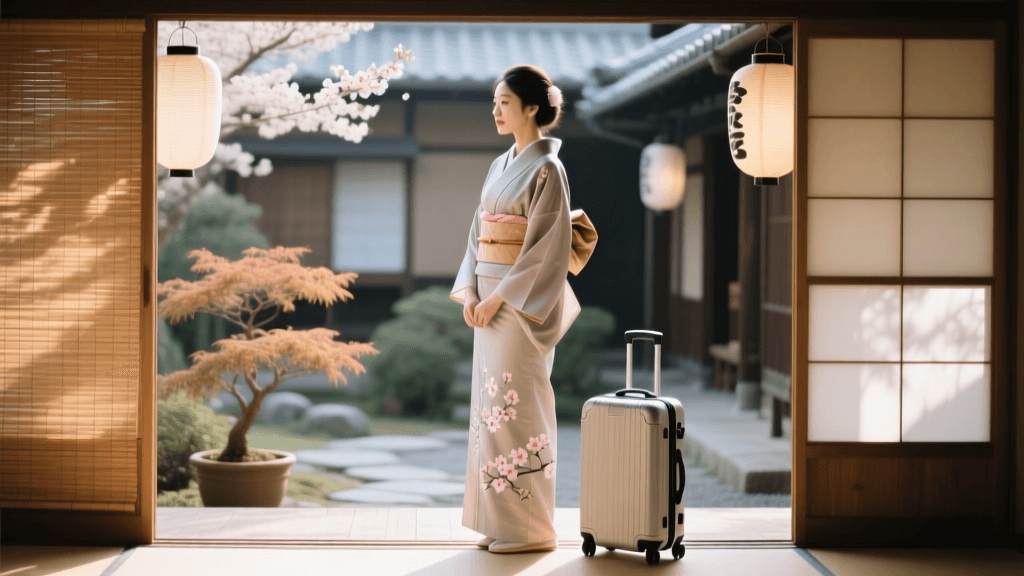
As global tourism in Japan continues to evolve in 2026, a significant shift has occurred in how international visitors engage with traditional Japanese clothing. Rather than relying solely on single-use rental shops in crowded tourist hubs, a growing movement of sustainable and slow-travel enthusiasts are choosing to pack their own kimono and yukata. This approach not only reduces the carbon footprint associated with daily commercial laundering but also allows for a deeply personal connection to the garments you wear.
However, traveling with traditional Japanese garments requires meticulous planning. The intricate layering, delicate fabrics, and specific accessories demand a specialized packing strategy. Whether you are preparing for a summer matsuri (festival) in Tokyo or an autumn tea ceremony in Kyoto, understanding what to pack, how to pack it, and where to wear your garments is essential for a seamless journey. According to Japan Guide's comprehensive overview of traditional garments, the distinction between formal kimono and casual yukata dictates not only your packing list but also your itinerary.
The Ultimate Kimono Packing Checklist
Packing a kimono is not as simple as folding a dress and placing it in a suitcase. A complete kitsuke (dressing) kit involves several specialized components. In 2026, modern travel innovations have introduced space-saving alternatives to traditional accessories, making transit much more manageable.
- Kimono or Yukata: The main garment. Pack at least two if your trip spans different seasons or formality levels.
- Nagajuban (Undergarment): Essential for protecting silk kimono from sweat and body oils. For travel, consider a modern han-juban (half-undergarment) paired with a susoyoke (slip skirt) to save luggage space.
- Obi (Sash): A formal maru or fukuro obi is bulky and stiff. For travel, pack a softer nagoya obi or a modern, pre-tied tsuke-obi that secures with a discreet clip.
- Koshi-himo (Tying Cords): Pack at least three to four. In 2026, elasticized silicone koshi-himo are highly recommended for travelers as they grip better and eliminate the need for tight, uncomfortable knotting.
- Date-jime (Wide Belt): Used to secure the nagajuban and kimono before the obi is tied. Velcro-fastening travel versions are a must-pack for hotel dressing.
- Obi-ita (Belt Board): Prevents the obi from wrinkling. Look for collapsible or flexible mesh obi-ita boards designed specifically for carry-on luggage.
- Tabi (Split-toe Socks): Pack white cotton tabi for formal wear and colored or patterned tabi for casual outings. Stretch-toe travel tabi are excellent for long days of walking.
- Zori or Geta (Footwear): Traditional wooden geta are heavy and noisy. Opt for lightweight, weather-resistant synthetic zori with replaceable hanao (thongs).
Choosing the Right Fabric for Transit
The fabric of your garment will dictate how it survives the journey in your suitcase. While silk is the pinnacle of traditional craftsmanship, it is a nightmare for travelers dealing with wrinkles, humidity, and unexpected rain. The Victoria and Albert Museum's kimono collection archives note that while historical silk garments require strict climate control, modern textile engineering has revolutionized travel wardrobes.
| Fabric Type | Wrinkle Resistance | Washability | Formality Level | Best Travel Use in 2026 |
|---|---|---|---|---|
| Silk (Honshin) | Low | Dry Clean Only | High (Formal) | Tea ceremonies, weddings, fine dining |
| Polyester Blend (Sensaishiki) | High | Machine Washable | Medium (Semi-formal) | Sightseeing, temple visits, photography |
| Cotton (Yukata) | Medium | Machine Washable | Low (Casual) | Summer festivals, ryokan stays, onsen towns |
| Linen Blend | Low | Hand Wash | Low (Casual) | Spring and autumn café hopping |
For the 2026 traveler, washable polyester (sensaishiki) is the undisputed champion. These garments mimic the drape and sheen of silk but can be rolled up in a suitcase, shaken out upon arrival, and spot-cleaned in a hotel sink. For summer travel, a high-quality cotton yukata is mandatory, as it is breathable and easily laundered.
How to Fold and Pack for the Journey
Never fold a kimono using Western garment-folding methods. You must use the traditional hon-datami folding technique, which aligns the seams to prevent permanent creasing. 1. Lay the kimono flat, back side up. 2. Fold the left side over to the right, aligning the front panels. 3. Fold the sleeves back so they lay flat within the garment's width. 4. Fold the bottom hem up to the collar in thirds. Once folded into a neat rectangle, wrap the garment in acid-free tissue paper to protect the dye from friction. Place it inside a dedicated garment compression cube—a popular 2026 travel hack that prevents the kimono from shifting inside your hard-shell luggage during transit.
Where to Wear Your Kimono in 2026
Knowing where to wear your garment is just as important as knowing how to pack it. Japan's cultural landscape has specific expectations regarding traditional dress.
Kyoto: Navigating the Historic Districts
Kyoto remains the spiritual home of the kimono. Strolling through Higashiyama or Arashiyama in a semi-formal polyester kimono is a quintessential experience. However, travelers must be aware of recent 2026 updates to local ordinances. Kyoto City's official tourism guidelines on cultural respect heavily emphasize mindful behavior in geisha districts like Gion. While wearing a kimono is celebrated, obstructing narrow streets for photography or entering private alleyways is strictly prohibited. Dress elegantly, but prioritize pedestrian flow and respect local privacy.
Tokyo: Modern Fusion and Urban Strolls
In Tokyo, traditional garments are often styled with a modern twist. In neighborhoods like Yanaka Ginza or Asakusa, wearing a yukata or a casual kimono paired with modern accessories (such as a leather handbag or Western-style boots in the winter) is widely accepted and celebrated as a fashion statement. Tokyo's sprawling transit system also makes wearing a kimono practical, provided you manage your hemline on escalators.
Ryokan Stays: The Art of the Yukata
When staying at a traditional ryokan, you will be provided with a yukata. Unlike outdoor wear, ryokan yukata are designed for ultimate relaxation. It is perfectly acceptable to wear your ryokan yukata to the onsen (bathhouse), to dinner in the communal dining room, and even on a short walk to the local convenience store. However, never wear the ryokan's provided yukata onto a Shinkansen (bullet train) or into a formal city restaurant; it is considered equivalent to wearing a hotel bathrobe in public.
Etiquette and Transit Survival Guide
Wearing a kimono alters your center of gravity and restricts your range of motion. Mastering a few basic etiquette rules will ensure you travel with grace.
- The Golden Rule of Wrapping: Always wrap the left side of the kimono over the right side. Wrapping right-over-left is strictly reserved for dressing the deceased for burial. Double-check this in the mirror before leaving your hotel.
- Shinkansen and Subway Travel: When sitting on a bullet train or subway, smooth your back panels down before sitting to avoid wrinkling the obi. Keep your knees tightly together and angle your legs slightly to the side to maintain a modest hemline.
- Footwear Etiquette: Never step on tatami mats while wearing your zori or geta. Always remove them at the genkan (entryway) and step up into the venue in your tabi socks only.
- Restroom Navigation: The long sleeves (furisode or standard) and wide obi can make public restrooms challenging. Bring a large bandana or a specialized kimono sleeve-tie (tasuki) to secure your sleeves out of the way when washing your hands.
Final Thoughts for the 2026 Traveler
Bringing your own kimono on a trip to Japan is a deeply rewarding endeavor that bridges the gap between being a passive tourist and an active participant in Asian traditions. By investing in travel-friendly fabrics, packing with intentionality, and adhering to local etiquette, you honor the centuries of craftsmanship woven into every thread. As you step out into the bustling streets of Tokyo or the serene bamboo groves of Kyoto, your carefully packed wardrobe will serve as your personal passport into the rich, living history of Japanese culture.