Kimono vs Yukata: The Complete 2026 Japanese Garment Guide
The Evolution of Japanese Traditional Garments in 2026
As we navigate through 2026, the landscape of Japanese traditional garments continues to beautifully balance centuries-old heritage with modern lifestyle demands. Whether you are planning a cultural immersion trip to Kyoto, attending a summer matsuri (festival), or simply looking to incorporate elegant Asian traditions into your wardrobe, understanding the nuances of Japanese dress is essential. The two most iconic and frequently confused garments are the kimono and the yukata. While both share a foundational T-shaped, straight-lined silhouette, their construction, formality, and styling rules differ vastly. According to the Japan National Tourism Organization, the revival of traditional dress among younger generations and international visitors has led to a booming rental and bespoke market, making 2026 one of the most exciting years to explore Japanese sartorial culture.
Understanding the Kimono: Formality and Structure
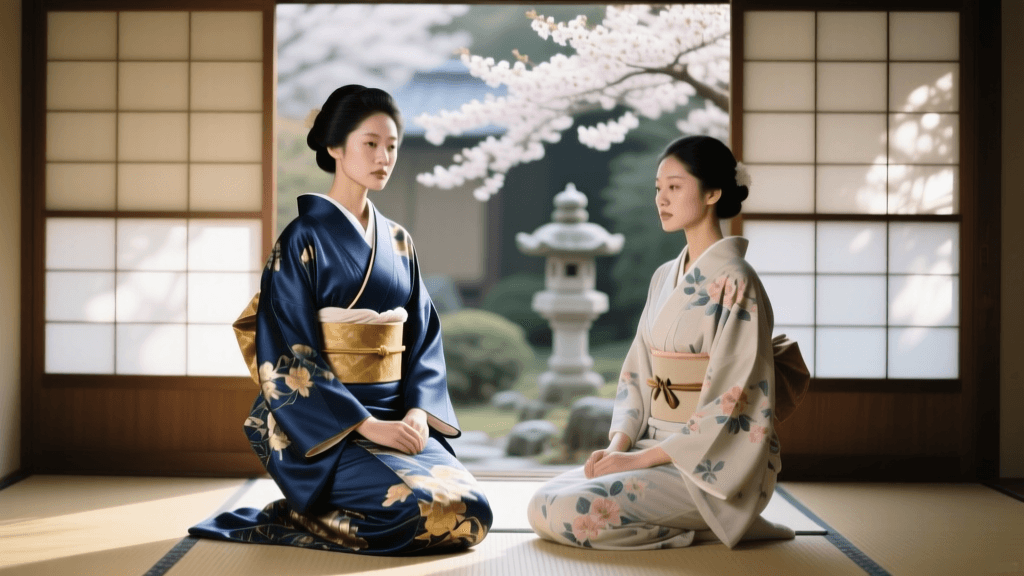
The word 'kimono' literally translates to 'thing to wear' (ki = wear, mono = thing). Historically, it referred to all clothing, but today it specifically denotes the formal, multi-layered traditional garment. A true kimono is typically crafted from high-quality silk, featuring intricate, hand-dyed, or woven patterns. Wearing a kimono is an art form that requires several undergarments, including the juban (an under-robe that protects the delicate silk from sweat and oils) and the nagajuban.
The formality of a kimono is dictated by its pattern, color, and the number of family crests (kamon) it bears. Here are the primary types you will encounter in 2026:
- Furisode: The most formal kimono for unmarried women. It is instantly recognizable by its exceptionally long, flowing sleeves (often reaching 100cm to 110cm in length). Furisode are heavily decorated with vibrant, all-over patterns and are the standard attire for Coming of Age Day (Seijin no Hi) and formal weddings.
- Tomesode: The most formal kimono for married women. Kurotomesode (black) features patterns only below the waist and bears five family crests, making it the equivalent of a Western evening gown, typically worn by the mothers of the bride and groom. Irotomesode (colored) is slightly less formal and can be worn by unmarried close relatives as well.
- Homongi: Meaning 'visiting wear,' this semi-formal kimono is suitable for both married and unmarried women. The defining feature is the 'eba' dyeing technique, where the pattern flows seamlessly across the seams of the shoulders, sleeves, and hem, creating a continuous picture when the garment is laid flat.
- Komon: The casual, everyday kimono. It features a repeating, small-scale pattern all over the fabric. While less common for daily wear in 2026 than in the early 20th century, komon remains popular for casual outings, tea ceremonies, and traditional arts practice.
The Yukata: Casual Elegance for the Modern Era
If the kimono is the evening gown, the yukata is the sundress. Originally worn as a bathrobe by the nobility during the Heian period, the yukata evolved into the standard casual summer wear for all classes by the Edo period. Today, it is the undisputed king of summer festivals, fireworks displays (hanabi), and onsen (hot spring) resorts.
Unlike the kimono, the yukata is made from unlined, breathable cotton or modern cotton-blend fabrics. Because it is designed for hot, humid Japanese summers, it is worn directly over standard undergarments, bypassing the need for the complex juban layers. The styling is inherently more relaxed; the collar can be worn slightly looser, and the obi (sash) is tied in simpler, more playful knots. In 2026, yukata designs have expanded far beyond the traditional indigo and white, featuring bold pop-art motifs, minimalist geometric prints, and even collaborative designs with contemporary streetwear brands.
Kimono vs. Yukata: A Comprehensive Comparison
To help you quickly distinguish between these two iconic garments, refer to the comparison table below.
| Feature | Kimono | Yukata |
|---|---|---|
| Primary Fabric | Silk, brocade, high-end synthetic blends | Cotton, linen, lightweight cotton-blends |
| Formality | Formal to Semi-Formal | Casual, Summer, Resort |
| Undergarments | Requires Juban and Nagajuban | Worn over basic modern undergarments |
| Footwear | Zori (sandals) with Tabi (split-toe socks) | Geta (wooden clogs), no Tabi required |
| Obi (Sash) | Fukuro or Nagoya obi (wide, stiff, ornate) | Hanhaba obi (narrow, soft, easy to tie) |
| Cost (2026 Avg) | ¥150,000 - ¥1,000,000+ (Purchase) | ¥5,000 - ¥30,000 (Purchase) |
The Obi and Accessories: Completing the Silhouette
No discussion of Japanese garments is complete without addressing the obi, the sash that secures the garment and serves as the focal point of the ensemble. The Metropolitan Museum of Art highlights that the obi evolved from a simple functional cord into a massive, heavily brocaded textile art piece during the Edo period. In 2026, the most common obi for formal kimono is the Fukuro obi, which can cost as much as the kimono itself due to the inclusion of gold and silver metallic threads. For yukata, the Hanhaba obi (half-width obi) is standard, allowing for creative, origami-like bows such as the bunko (library knot) or the chocho (butterfly knot).
Footwear is equally important. Kimono requires zori (flat sandals made of vinyl, lacquered wood, or brocade) paired with tabi (white split-toe socks). The split toe allows for better grip and balance when wearing traditional footwear. Yukata, conversely, is paired with geta—elevated wooden clogs that produce a distinct, nostalgic clicking sound when walking on paved streets, a sound deeply associated with Japanese summers.
2026 Textile Innovations and Sustainable Practices
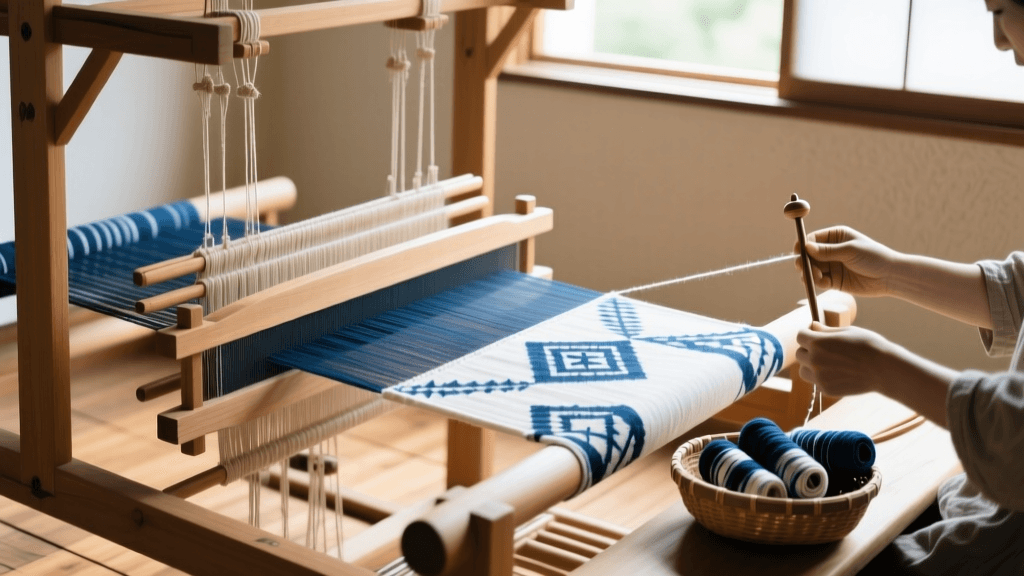
The traditional garment industry in 2026 is undergoing a significant sustainability revolution. With the environmental impact of traditional silk sericulture and chemical dyeing under scrutiny, artisans in Kyoto and Kanazawa are pioneering new eco-friendly textiles. Innovations include the use of lotus stem silk, which requires significantly less water than traditional mulberry silk, and the integration of recycled PET fibers woven to mimic the texture of tsumugi (pongee silk). Furthermore, AI-assisted loom technology in the Nishijin weaving district is now allowing for zero-waste pattern cutting and precise dye-mixing, reducing water pollution from excess runoff. These advancements ensure that the art of the kimono remains viable and environmentally responsible for future generations.
The Economics of Traditional Wear: Buying vs. Renting in 2026
For international visitors and locals alike, the decision to buy or rent depends heavily on the occasion. The rental market in 2026 is highly sophisticated. In popular tourist districts like Kyoto's Higashiyama or Tokyo's Asakusa, a premium yukata rental package (including hair styling, obi tying, and geta) averages between ¥5,000 and ¥8,000 for the day. For formal kimono rentals, prices range from ¥15,000 to ¥35,000, depending on the formality of the silk and the inclusion of professional dressing services (kitsuke).
If you are looking to purchase, the second-hand and vintage market (recycle shops) is thriving. A high-quality, vintage silk komon can be found for as little as ¥10,000 to ¥30,000, making it an accessible entry point for collectors. However, buyers must be cautious about the condition of the silk and the presence of any subtle stains or odors, which are common in garments that have not been professionally cleaned (arai-hari).
Modern Styling Rules and Cultural Respect
While 2026 fashion encourages personal expression, certain traditional rules remain strictly observed in Japan. The most critical rule is the eri (collar) alignment: the left side of the garment must always overlap the right side. Crossing right-over-left is strictly reserved for dressing the deceased for burial. Additionally, the back of the collar should be pulled down slightly to expose the nape of the neck, which is traditionally considered one of the most elegant and alluring parts of the body in Japanese aesthetics.
Whether you are slipping into a breezy cotton yukata for a summer evening by the Kamo River or being meticulously dressed in a silk homongi for a formal tea ceremony, understanding these garments enriches your connection to Asian traditions. The kimono and yukata are not merely costumes; they are living, breathing archives of Japanese history, art, and social evolution, continuing to adapt and thrive in the modern world.