Hanfu Family Ceremonies 2026: Birth, Wedding & Ancestral Rites
The year 2026 marks a profound milestone in the cultural renaissance of traditional Chinese attire. No longer confined to historical reenactments or social media trends, Hanfu has firmly established itself as the premier choice for significant family milestones. From the joyous celebrations of a child's first birthday to the solemnity of ancestral memorials, families across the globe are reclaiming their heritage through meticulously crafted garments. This comprehensive guide explores the essential Hanfu styles for family ceremonies in 2026, offering actionable advice on styling, fabric selection, and market pricing.
The Foundation of Ceremonial Hanfu
Before selecting attire for specific life events, it is crucial to understand the foundational principles that govern traditional Chinese dress. The most defining characteristic of Hanfu is the Jiaoling Youren—the right-over-left lapel crossing. This design element is deeply rooted in ancient philosophy, symbolizing the triumph of life and order over death and chaos. According to historical analyses documented by cultural institutions, the structural integrity of Hanfu relies on flat-cutting techniques, which preserve the natural drape of the silk and honor the integrity of the woven fabric. For a deeper historical context on the evolution of these garments, the extensive archives on traditional Hanfu structures provide an invaluable foundation for modern enthusiasts.
Birth and Coming-of-Age Ceremonies
Zhuazhou: The First Birthday
The Zhuazhou ceremony, celebrating a child's first birthday, is a vibrant affair filled with auspicious symbolism. In 2026, parents are increasingly opting for organic, plant-dyed cotton and silk blends to protect the sensitive skin of infants. The quintessential garment for this occasion is the embroidered Dudou (belly cover) paired with Hutouxie (tiger-head shoes). The tiger motif is believed to ward off evil spirits and ensure robust health. Modern 2026 iterations of these shoes feature ergonomic, non-slip soles while maintaining the traditional three-dimensional embroidery techniques.
Ji Li and Guan Li: The Coming of Age
As children transition into adulthood, the Ji Li (for women, traditionally at 15) and Guan Li (for men, traditionally at 20) ceremonies mark a profound shift in social responsibility.
- For Women (Ji Li): The ceremony centers around the changing of hairstyles and the insertion of hairpins (Zan). The garment of choice in 2026 is the Ming-style Aoqun, featuring a pleated mamianqun (horse-face skirt) and a tailored, cross-collared jacket. The layers represent the shedding of childhood frivolity for adult grace.
- For Men (Guan Li): Young men are presented with ceremonial caps (Guan) and a formal Shenyi (deep robe). The Shenyi, characterized by its seamless connection between the top and bottom, symbolizes the unity of heaven and humanity. For a detailed breakdown of the layering involved in these skirts and robes, the historical records of Ruqun and Shenyi remain an essential reference.
Traditional Hanfu Weddings (Hunli)
The traditional Chinese wedding, or Hunli, is arguably the most elaborate and visually stunning application of Hanfu. While the Zhou dynasty favored solemn black and crimson, and the Tang dynasty embraced vibrant, flowing silhouettes, the Ming dynasty aesthetic has completely dominated the 2026 bridal market.
The Bride: Fengguan Xiapei
The pinnacle of 2026 bridal Hanfu is the Fengguan Xiapei ensemble. The Fengguan (phoenix crown) is an intricate masterpiece of kingfisher feather art (now ethically replicated using dyed silk and enamel in 2026), pearls, and gold filigree. The Xiapei is a heavy, embroidered cape draped over the shoulders, weighted with jade or gold pendants to ensure it hangs perfectly still, projecting an aura of regal dignity. Brides in 2026 are investing heavily in custom-tailored Dashan (long, wide-sleeved robes) woven with real gold threads, with bespoke commissions often starting at $3,500 USD and taking up to six months to complete.
The Groom: Yuanlingpao
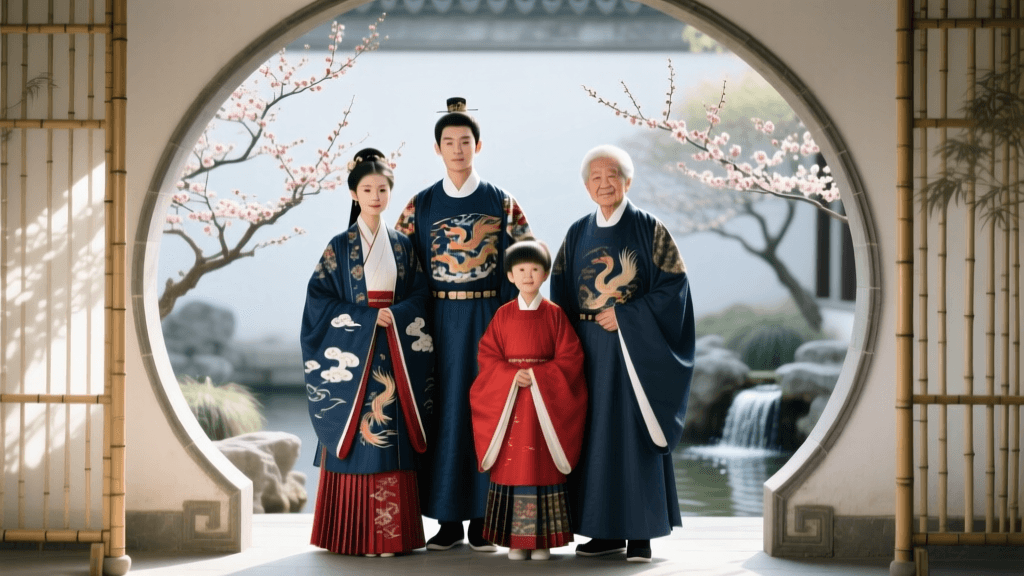
Grooms traditionally wear the Yuanlingpao, a round-collared robe, often in deep crimson or navy blue, adorned with rank badges or auspicious dragon motifs. In 2026, grooms are pairing these robes with the Wusha Mao (black gauze cap) or the more scholarly Futou. The emphasis for menswear this year is on heavyweight silk brocades that provide structural volume without the need for synthetic under-layers.
Ancestral Rites and Memorials (Ji Ri)
In stark contrast to the vibrancy of weddings, ancestral rites demand profound modesty, respect, and restraint. The Ji Ri (memorial days) and the Qingming Festival require attire that reflects mourning or solemn reverence.
Colors and Silhouettes
Flashy embroidery, bright reds, and excessive gold are strictly prohibited. The 2026 standard for ancestral veneration leans heavily into undyed, raw silk, and organic hemp in shades of ivory, muted grey, and deep indigo. The preferred garment is a plain, unadorned Shenyi or a simple Shuhe (cross-collared top and trousers) for more active gravesite sweeping. The focus here is on the purity of the fabric and the neatness of the wearer. Many families in 2026 are passing down specific, high-quality indigo-dyed Hanfu sets as heirloom mourning garments, treating the textiles themselves as a bridge between generations.
2026 Hanfu Ceremony Comparison Chart
To assist families in budgeting and planning for these vital life events, we have compiled the current 2026 market data for ceremonial Hanfu.
| Ceremony Type | Primary Garment | 2026 Fabric Trend | Est. Cost (USD) |
|---|---|---|---|
| Zhuazhou (1st Birthday) | Dudou & Hutouxie | Organic Plant-Dyed Cotton | $80 - $150 |
| Ji Li (Women's Coming of Age) | Aoqun (Ming Style) | Jacquard Silk Blends | $400 - $850 |
| Guan Li (Men's Coming of Age) | Shenyi (Deep Robe) | Heavyweight Raw Silk | $350 - $700 |
| Hunli (Wedding - Bride) | Fengguan Xiapei & Dashan | Gold-Woven Brocade | $3,500 - $8,000+ |
| Ji Ri (Ancestral Memorial) | Plain Shenyi / Shuhe | Undyed Hemp / Raw Silk | $150 - $300 |
Sourcing, Tailoring, and Eco-Friendly Dyes
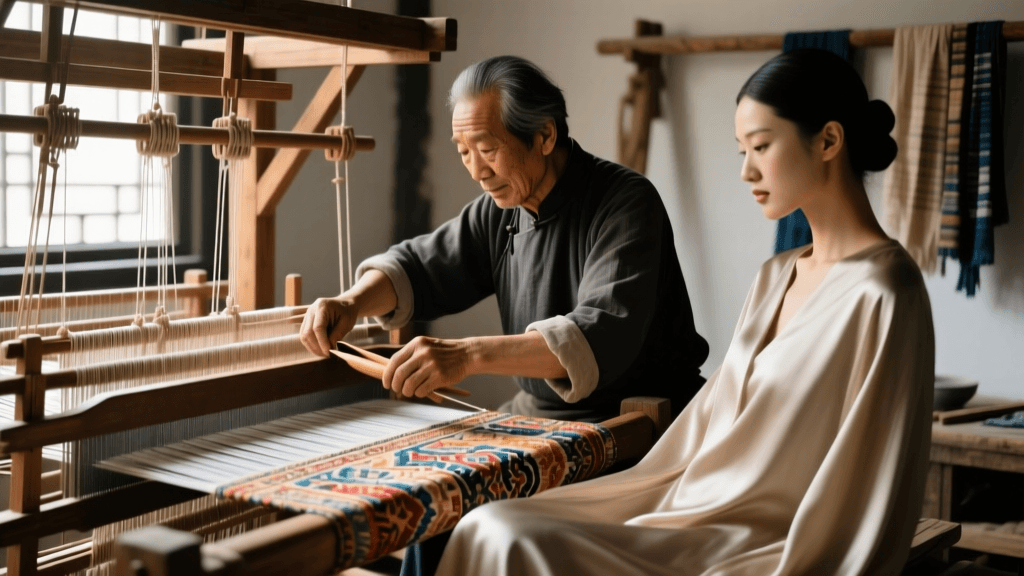
The 2026 Hanfu market is heavily influenced by the global push toward sustainable fashion. Discerning buyers are moving away from mass-produced polyester brocades and seeking out artisans who utilize traditional, eco-friendly dyeing methods. Natural indigo, madder root, and pomegranate rind are being used to achieve the rich, historically accurate colors required for wedding and coming-of-age garments.
When commissioning a bespoke piece for a wedding or Guan Li, it is imperative to provide precise measurements, including the span of your arms (to determine the correct sleeve length, which traditionally extends past the fingertips) and the exact placement of the natural waist. Unlike Western tailoring, which emphasizes the body's contours, Hanfu tailoring focuses on the drape and the geometric harmony of the fabric panels.
"The true beauty of Hanfu lies not in how tightly it hugs the body, but in how it moves with the wearer, creating a living, breathing architecture of silk and thread." — Master Tailor Lin, 2026 Suzhou Silk Symposium.
Conclusion
As we navigate through 2026, the integration of Hanfu into family ceremonies represents far more than a sartorial choice; it is a profound reconnection with ancestral rhythms and philosophical ideals. Whether you are swaddling a newborn in auspicious cotton, crowning a bride in golden phoenixes, or standing in quiet reverence in raw hemp, the garments you choose carry the weight and beauty of millennia. By understanding the specific requirements for birth, weddings, and ancestral rites, families can ensure their milestones are honored with historical integrity and breathtaking elegance. For those looking to explore the deep historical roots of these specific ceremonial crowns and robes, the archives on the Fengguan offer a fascinating glimpse into the craftsmanship that continues to inspire today's master artisans.