Kimono and Yukata in Pop Culture: A Cosplay Styling Guide
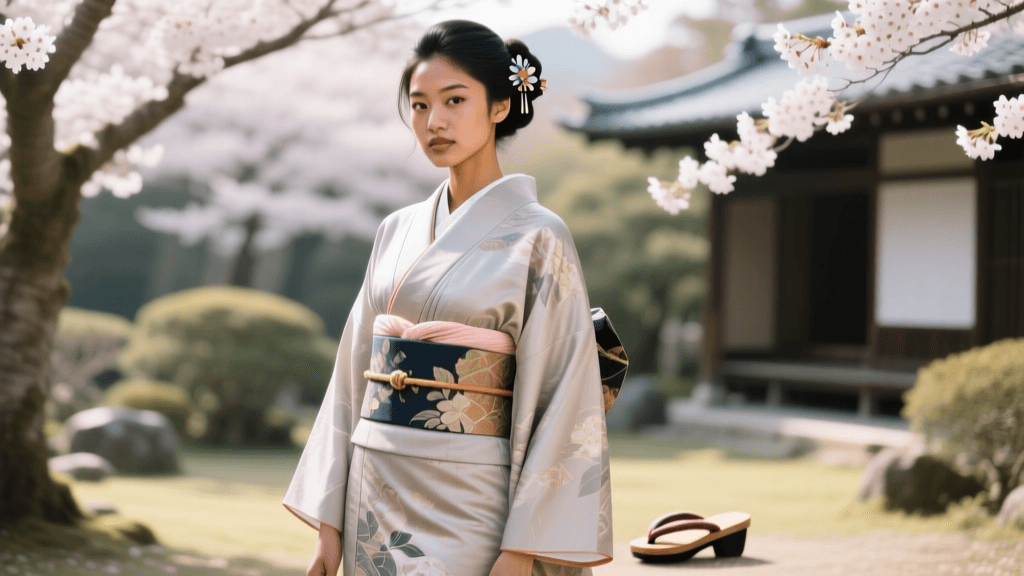
The Intersection of Traditional Japanese Garments and Global Pop Culture
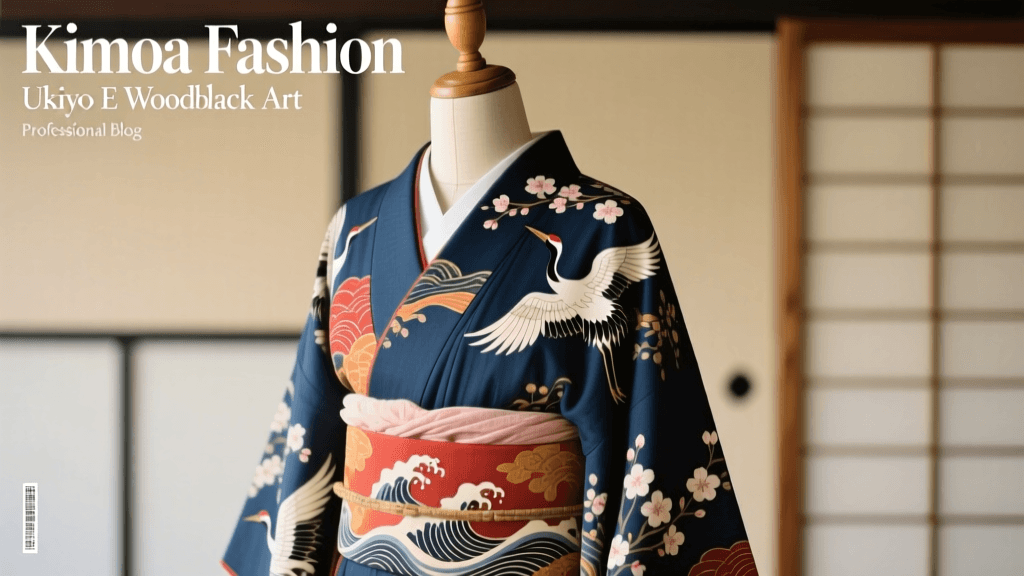
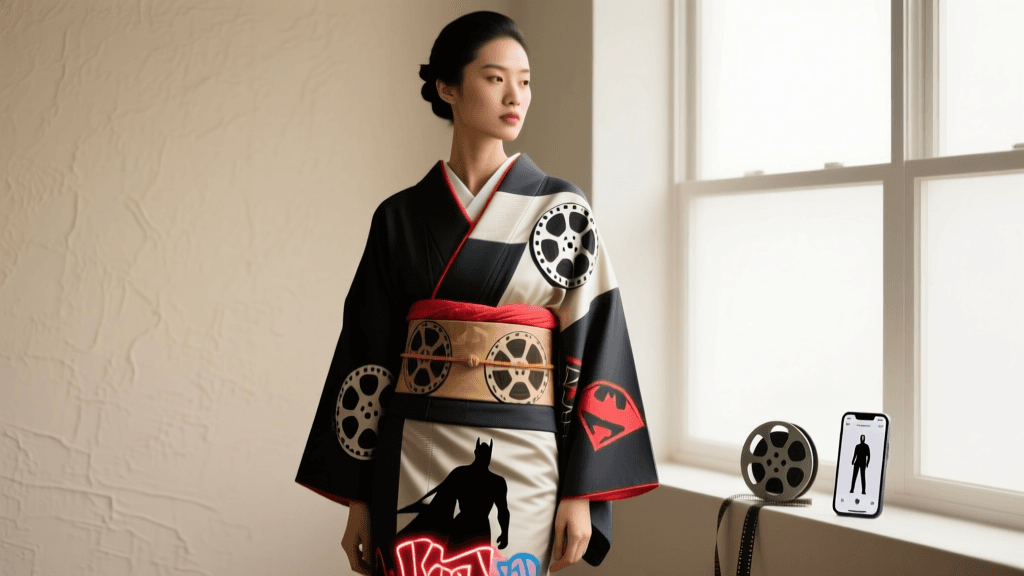
The global explosion of Japanese anime, manga, and video games has profoundly influenced international fashion, bringing traditional Japanese garments like the kimono and yukata into the mainstream pop culture consciousness. From the demon-slaying Taisho-era aesthetics of Kimetsu no Yaiba (Demon Slayer) to the Sengoku-period battle garments seen in Inuyasha and Sengoku Basara, character designers frequently utilize traditional silhouettes to convey elegance, historical grounding, or mystical power. For cosplayers, streetwear enthusiasts, and cultural appreciators attending global conventions, accurately recreating these looks requires more than just buying a mass-produced costume. It demands an understanding of traditional garment construction, proper sizing, and the nuanced art of kitsuke (the way of wearing).
According to The Metropolitan Museum of Art's Heilbrunn Timeline of Art History, the modern kimono evolved from the kosode (small-sleeved garment) of the Muromachi period, eventually becoming the primary outer garment for both men and women. Understanding this historical baseline is crucial for pop culture fans who want to elevate their cosplay from a simple costume to a respectful, accurate, and visually stunning homage.
Decoding Anime Kimono: Fantasy vs. Historical Accuracy
In global media, character designers often take creative liberties with traditional garments to enhance visual flair or accommodate action sequences. A common trope in fantasy anime is the "detached sleeve" or exaggerated, flowing furisode (long-swinging sleeves) that defy gravity. While visually striking on screen, translating these 2D fantasy elements into 3D reality requires practical adjustments.
For historical accuracy in cosplay—such as recreating Tanjiro Kamado’s iconic Taisho-era look—fans should focus on the haori (jacket) worn over a standard kimono, paired with hakama (pleated trousers). The Taisho era (1912–1926) was characterized by "Taisho Roman," a blending of traditional Japanese textiles with Western motifs, which the Japan National Tourism Organization (JNTO) notes as a pivotal moment in the evolution of Japanese fashion. Sourcing vintage Taisho-era haori from online Japanese recycle shops can provide authentic, period-accurate textiles that modern polyester costumes simply cannot replicate.
Practical Sizing and Measurements for Cosplay Kimono
Unlike Western clothing, which is tailored to the body's curves, traditional Japanese garments are constructed from straight bolts of fabric called tanmono. The fit is adjusted during the dressing process through folding and tying. For cosplayers accustomed to Western sizing charts, navigating kimono measurements can be daunting. Below is a practical guide to understanding how traditional measurements translate to pop culture styling.
| Measurement Term | Traditional Standard Fit | Pop Culture / Anime Adaptation |
|---|---|---|
| Mitake (Body Length) | Calculated to touch the ankle bone, with excess fabric folded at the hips (the ohashori). | Often worn slightly shorter to accommodate modern boots, combat sandals, or dynamic convention movement without tripping. |
| Yuki (Sleeve Length) | Extends past the wrist, covering the back of the hand when arms are relaxed. | Exaggerated in fantasy cosplay; sometimes pinned back with hidden clips to allow characters to wield prop weapons safely. |
| Hakama Length | Covers the ankles, resting just above the heel of the foot. | Frequently shortened to mid-calf in anime to showcase character footwear or leg armor; achieved by rolling the waistband inward. |
| Obi Width | Standard women's obi is roughly 30cm wide; men's is narrower (approx. 10cm). | Female anime characters often feature hyper-exaggerated, corset-like obi wraps that require modern boning and hidden zippers for structural support. |
Actionable Advice for the Ohashori Fold
The ohashori is the horizontal fold at the waist that adjusts the kimono's length. In a convention setting, bending, sitting, and walking can cause this fold to unravel. Pro Tip: Use modern kimono clips (available at Japanese specialty stores or online) or heavy-duty binder clips hidden beneath the obi to secure the ohashori in place. For high-energy cosplay, double-sided fashion tape applied to the inner fold ensures the hem remains perfectly level throughout a 10-hour convention day.
Essential Accessories for the Complete Pop Culture Look
A kimono or yukata is never worn alone; the accessories dictate the formality, era, and character archetype. When assembling your pop culture wardrobe, invest in these foundational pieces:
- The Obi and Obijime: The sash that secures the garment. While traditional taiko musubi (drum bows) are elegant, anime characters often sport elaborate, floral, or wire-supported bows. Use a pre-tied tsuke-obi (clip-on obi) modified with millinery wire to achieve gravity-defying anime silhouettes without the bulk of 4 meters of fabric.
- Kanzashi (Hair Ornaments): Essential for characters like Shinobu Kocho or traditional shrine maidens (miko). For convention safety, avoid sharp metal pins; opt for acrylic or resin kanzashi attached to sturdy U-pins or alligator clips to secure heavy cosplay wigs.
- Hakama and Koshiita: The rigid backboard (koshiita) of a hakama must sit precisely at the base of the spine. If your cosplay hakama lacks a koshiita, insert a piece of flexible craft foam into the back panel to maintain the crisp, authoritative silhouette seen in samurai media.
Sourcing and Budgeting: Authentic vs. Costume Grade
When building a traditional Japanese wardrobe for pop culture events, you generally have three sourcing routes, each with distinct costs and practical implications:
1. Vintage Silk (Recycle Shops & Online Exporters)
Cost: $30 – $120 per garment.
Pros: Unmatched textile quality, authentic patterns, heavy drape, and cultural respect. Sourcing vintage Haori from Japanese exporters on eBay or specialized sites like Ichiroya allows cosplayers to wear genuine history.
Cons: Silk is fragile, difficult to clean, and can be ruined by convention sweat or rain. Requires professional dry cleaning.
2. Modern Cotton Yukata
Cost: $80 – $250 (New).
Pros: Breathable, machine washable, and historically accurate for summer festivals. Perfect for casual anime characters or streetwear-inspired yukata styling. Brands like Yamato or Kimonoya Japan offer pop-culture collaborations and modern geometric prints.
Cons: Less formal; lacks the heavy drape of silk, requiring careful folding to maintain sharp lines.
3. Polyester Cosplay Costumes
Cost: $40 – $150.
Pros: Durable, stain-resistant, and often printed with exact anime character motifs (like the geometric patterns of Demon Slayer).
Cons: Poor breathability (a major hazard for summer outdoor conventions), inaccurate collar stiffness, and often lacks the proper width to achieve a genuine ohashori fold.
Footwear: Navigating Zori, Geta, and Tabi
Footwear can make or break a convention experience. Traditional tabi (split-toe socks) and zori or geta (wooden sandals) are sized in centimeters, not Western shoe sizes. To find your size, measure your foot from heel to longest toe in cm. If you measure 24.5 cm, purchase a 24.5 cm tabi. Note: Tabi should fit snugly; excess fabric at the toe will bunch up inside the sandal thong (hanao) and cause severe blisters.
For multi-day conventions, walking in wooden geta is a recipe for fatigue and joint pain. Actionable Hack: Purchase modern "soft-sole" geta or insert gel heel pads into the wooden base. Alternatively, many modern cosplayers opt for "ninja tabi" boots or split-toe sneakers (like those produced by Marugo or Jikatabi brands) which provide the traditional aesthetic while offering the arch support necessary for navigating massive convention centers.
Conclusion: Respect Through Accuracy
Participating in global pop culture through the lens of traditional Japanese garments is a beautiful way to celebrate the artistry of Asian textiles. By moving away from cheap, inaccurate costumes and embracing the genuine construction, measurements, and styling techniques of the kimono and yukata, cosplayers and fashion enthusiasts not only elevate their own craft but also pay deep respect to the centuries of cultural heritage that inspire their favorite media. Whether you are stepping onto the convention floor or styling a streetwear look, understanding the foundation of these garments ensures your tribute is as authentic as it is visually spectacular.