Cinematic Kimonos: Recreating Iconic Pop Culture Looks
The Silver Screen and the Silhouette: Kimonos in Global Media
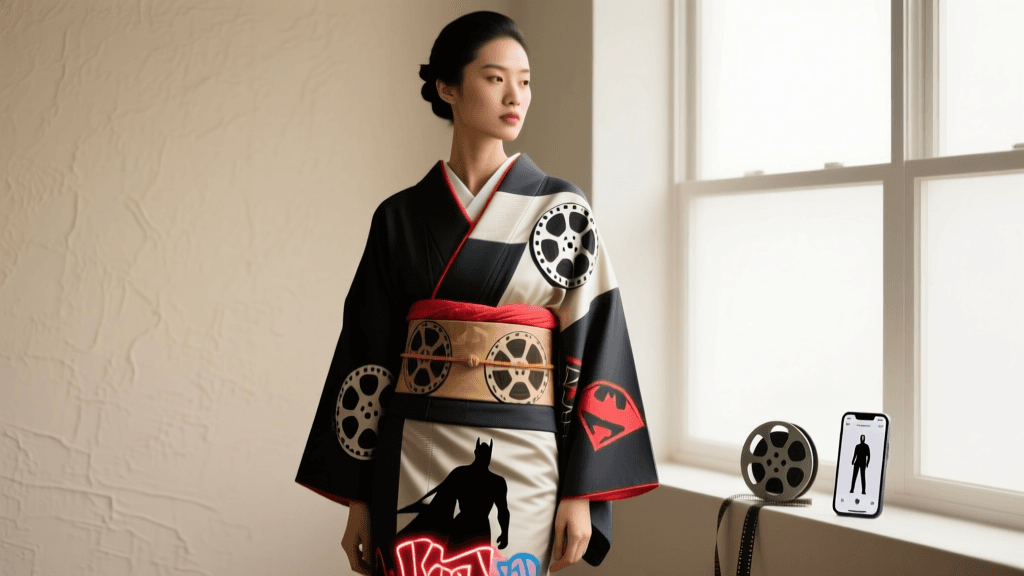
For over a century, the traditional Japanese kimono has captivated global audiences, serving as a profound source of inspiration for costume designers, filmmakers, and pop culture visionaries. From the flowing, earth-toned robes of the Jedi Order in Star Wars to the hyper-stylized, blood-spattered silk in Quentin Tarantino’s Kill Bill, Japanese fashion in global media is rarely just a background element. It is a visual shorthand for mysticism, martial prowess, and tragic elegance. However, translating these cinematic fantasies into real-world wearable garments requires a deep understanding of traditional Japanese tailoring, historical context, and precise measurements.
The kimono in Western cinema is rarely just a garment; it is a visual shorthand for mysticism, martial prowess, or tragic elegance. Recreating these looks requires bridging the gap between Hollywood fantasy and historical reality.
According to the Victoria and Albert Museum's landmark exhibition on the kimono, the garment has been a global muse for centuries, constantly reinterpreted through foreign lenses. For collectors, cosplayers, and fashion enthusiasts looking to recreate these iconic screen looks, understanding the difference between Hollywood stylization and authentic Japanese construction is the first step toward sartorial success.
Iconic Cinematic Kimonos: A Breakdown
Before sourcing fabrics or hunting for vintage pieces, it is crucial to analyze how costume designers adapt traditional garments for the screen. The table below breaks down three iconic pop culture adaptations and the real-world equivalents needed to recreate them.
| Film / Media | Character | Cinematic Garment | Real-World Equivalent | Hollywood Liberty Taken |
|---|---|---|---|---|
| Star Wars (Original Trilogy) | Obi-Wan Kenobi | Jedi Robes | Haori over Kimono layers | Simplified obi, hidden modern closures, heavy linen instead of silk. |
| Memoirs of a Geisha | Sayuri | Apprentice Geisha Wardrobe | Furisode & Hikizuri | Mixed historical eras, exaggerated collar pulls, modern corsetry underneath. |
| Kill Bill: Vol. 1 | O-Ren Ishii | Yakuza Boss Kimono | Uchikake (Outer Robe) | Exaggerated trailing hem, modern tailored bodice, worn without traditional under-layers. |
The Jedi Robe: Haori and Kimono Intersections
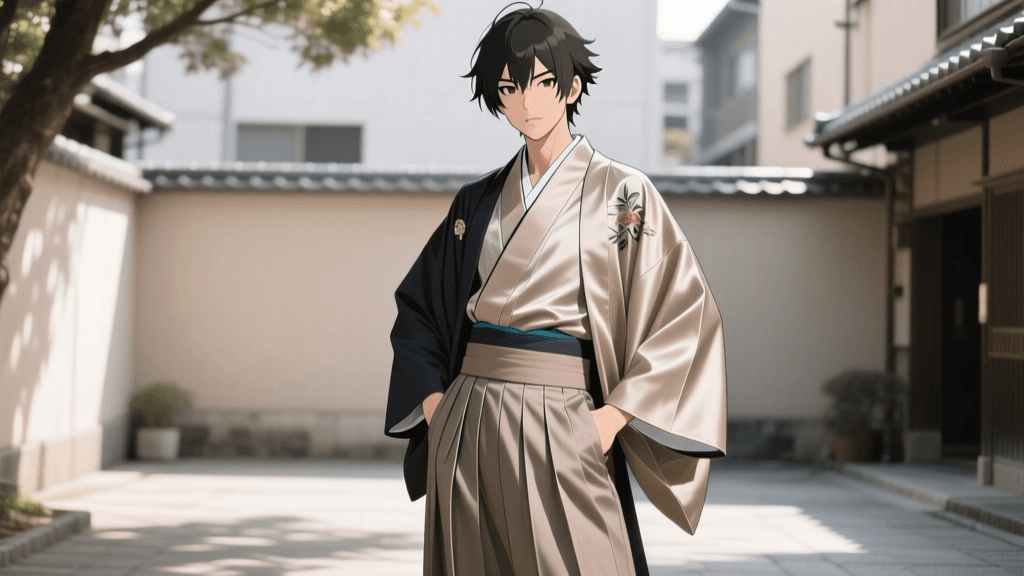
George Lucas famously drew heavy inspiration from Japanese cinema, particularly the works of Akira Kurosawa, when designing the Star Wars universe. The Jedi robe is essentially a layered kimono and haori (a traditional hip- or thigh-length jacket). To recreate this look authentically, avoid cheap polyester costume robes. Instead, source a heavy-weight, matte-finish vintage silk or high-quality linen haori in deep browns, ochres, or charcoal greys. The inner layers should consist of a lightweight cotton yukata or juban (under-kimono) to provide the correct collar layering without causing the wearer to overheat on a convention floor.
Kill Bill and Memoirs of a Geisha: The Drama of the Hemline
In Kill Bill, O-Ren Ishii’s striking white kimono with crane motifs is based on the uchikake, a highly formal, heavily padded outer robe traditionally worn by brides. In the film, it is worn as a standalone coat with a dramatically trailing hem. In reality, an uchikake is meant to be worn over a kakeshita (inner wedding kimono), and the hem is padded with fukiwata (cotton batting) to protect the silk and help it trail elegantly across tatami mats. As noted in a BBC Culture analysis on the kimono's global journey, Western media often strips away the complex under-layers of Japanese dress to prioritize visual impact and actor mobility. When recreating O-Ren’s look for a photoshoot, invest in a vintage white silk uchikake with gold-leaf embroidery, but be prepared to pin the hem up (a technique known as ohashori) if you plan to walk outdoors.
The Collector’s Guide to Sizing and Measurements
The most common mistake Western enthusiasts make when buying vintage kimono for cinematic cosplay is ignoring traditional Japanese sizing. Unlike Western clothing, kimono are not sized by Small, Medium, or Large. They are tailored to specific body metrics. To achieve an authentic, screen-accurate drape, you must understand three critical measurements:
- Mitake (Back Length): This is the length from the base of the back collar to the bottom hem. For a traditional look that includes the ohashori (the waist fold that allows the hem to hit exactly at the ankle), the Mitake should ideally be your total height minus 10 to 12 inches. If you are recreating a trailing cinematic look (like a Geisha's hikizuri), you will need a Mitake equal to or greater than your height.
- Yuki (Sleeve Length): Measured from the center back of the neck, across the shoulder, and down the arm to the wrist bone. For the dramatic, elongated sleeves seen in fantasy and sci-fi adaptations, look for a Yuki measurement that extends 1 to 2 inches past your actual wrist bone.
- Sode (Sleeve Drop): The vertical length of the sleeve opening. Formal garments like the furisode (worn by young, unmarried women) have sleeves that can drop 100cm or more, creating the breathtaking, sweeping silhouettes often utilized in slow-motion cinematic sequences.
Sourcing and Cost Breakdown for Cinematic Looks
Building a screen-accurate Japanese wardrobe requires strategic sourcing. While modern reproduction houses exist, vintage garments offer superior silk quality, authentic hand-painted yuzen dyes, and the gravitas of true historical pieces. Below is a practical cost and sourcing guide for assembling a cinematic kimono ensemble.
| Garment / Accessory | Function in Cinematic Look | Estimated Cost (Vintage) | Sourcing Tips |
|---|---|---|---|
| Vintage Silk Haori | Jedi outer robe / Samurai casual wear | $45 - $120 | Search Etsy or specialized exporters for 'Men's Haori' or 'Haori Jacket'. Look for family crests (kamon) for added authenticity. |
| Houmongi Kimono | Base layer for formal / villainous characters | $80 - $250 | Houmongi features continuous patterns across the seams. Ensure the Mitake matches your height minus 10 inches. |
| Maru or Fukuro Obi | The wide, dramatic belt seen in period dramas | $150 - $400 | Authentic brocade obi are heavy and expensive. For cosplay, a vintage Fukuro obi offers the visual width with slightly less weight. |
| Zori (Sandals) & Tabi | Footwear to complete the silhouette | $60 - $110 | Buy new. Vintage zori often have degraded straw or cracked vinyl soles. Invest in modern, comfortable synthetic tabi for long convention days. |
The Art of the Obi: Structuring the Silhouette
In Hollywood films, the obi (sash) is often pinned, glued, or replaced with a pre-tied velcoro belt for the actor's convenience. In reality, tying a traditional obi is an architectural endeavor. To achieve the crisp, structured looks seen in high-budget period dramas like Shōgun, you will need additional accessories that are rarely shown on screen but are absolutely vital for the garment's structural integrity:
- Obi-ita: A stiff board inserted into the front of the obi to prevent wrinkling and create a smooth, cinematic surface.
- Obi-makura: A small pillow used to support the knot (musubi) at the back, giving it the dramatic volume seen in geisha and court-lady adaptations.
- Obi-jime: A decorative braided cord tied around the center of the obi. In film, this cord is often used to hold hidden weapons or props; in reality, it is the final locking mechanism that keeps the heavy silk belt from unraveling during movement.
Cultural Appreciation in Fandom and Cosplay
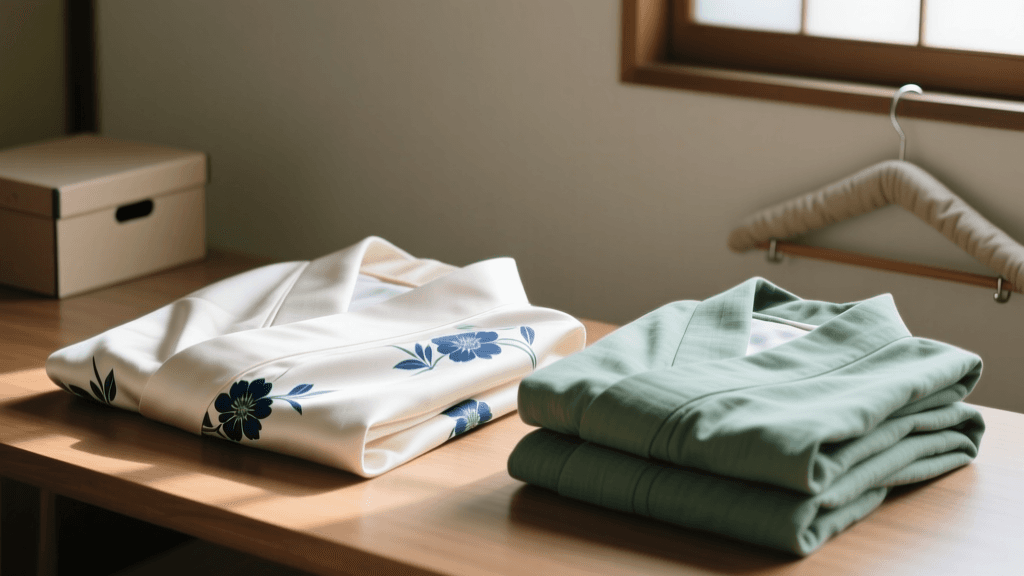
When recreating Japanese fashion for pop culture events, conventions, or photoshoots, the line between appreciation and caricature must be navigated with respect. The global popularity of anime, manga, and Japanese cinema has created a massive community of dedicated fans who study the intricacies of traditional dress. To honor the culture that birthed these iconic cinematic looks, enthusiasts should prioritize learning the correct terminology, treating vintage silk with proper archival care (storing in tatoushi paper, avoiding direct sunlight), and understanding the historical context of the garments they wear.
Ultimately, the kimono’s presence in global pop culture is a testament to its enduring design and structural brilliance. By moving beyond cheap costume replicas and investing in authentic vintage pieces, understanding precise measurements like the Yuki and Mitake, and mastering the architectural tying of the obi, fans and collectors can bridge the gap between Hollywood fantasy and the breathtaking reality of traditional Japanese fashion.