The Ultimate Kimono Buying Guide: Types, Costs & Occasions
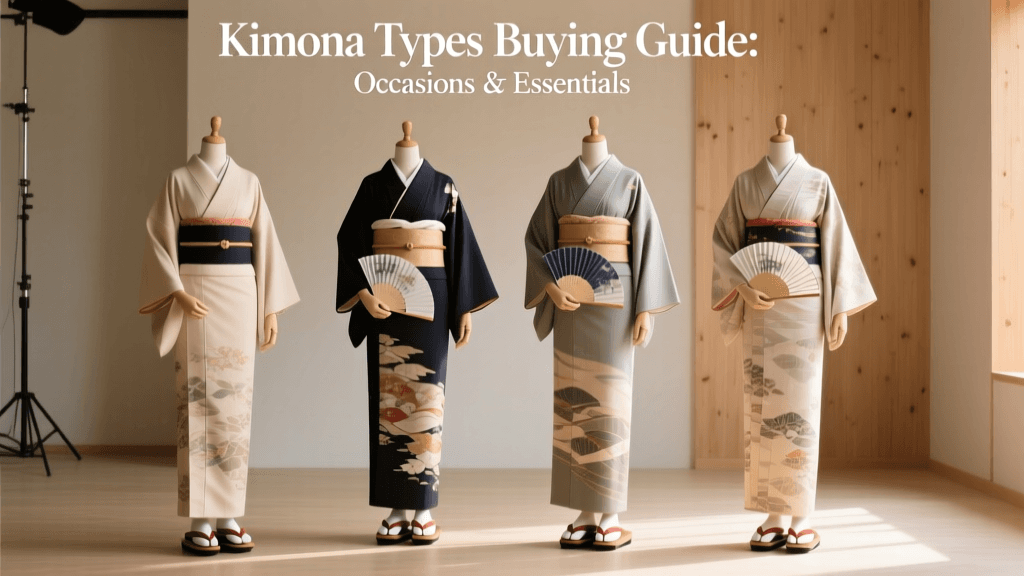
Buying a traditional Japanese kimono is an investment in art, history, and culture. Whether you are a collector, a practitioner of traditional arts, or a fashion enthusiast looking to incorporate authentic Japanese garments into your wardrobe, navigating the market requires a deep understanding of formality, fabric, and fit. The kimono is not merely a piece of clothing; it is a complex system of visual communication. As noted by the Metropolitan Museum of Art, the T-shaped structure of the kimono has remained largely unchanged for centuries, yet its surface design, material, and sleeve length convey precise information about the wearer's age, marital status, and the formality of the occasion. This comprehensive buying guide will demystify the core types of women's kimono, provide a detailed comparison chart, and offer actionable advice on sizing, fabrics, and where to source authentic pieces.
The Hierarchy of Formality in Kimono
Before making a purchase, it is crucial to understand that kimono are strictly categorized by formality. Wearing a highly formal garment to a casual event can be seen as overdressing and socially awkward, while wearing a casual kimono to a formal ceremony is considered disrespectful. The formality is dictated by three main factors: the presence and placement of family crests (kamon), the dyeing technique, and the pattern's continuity across seams. Understanding this hierarchy will save you from costly purchasing mistakes and ensure you are always dressed appropriately for the occasion.
Comparison Chart: Core Kimono Types
To help you make an informed purchasing decision, refer to the comparison table below. This chart outlines the primary types of women's kimono you will encounter on the vintage and retail markets, complete with estimated costs and styling rules.
| Kimono Type | Formality Level | Sleeve Length | Pattern Placement | Best Occasion | Avg. Vintage Price (USD) |
|---|---|---|---|---|---|
| Komon | Casual | Standard (approx. 50cm) | Repeating, small motifs | Everyday wear, casual outings, theater | $30 - $80 |
| Tsukesage | Semi-Formal | Standard (approx. 50cm) | Motifs below waist, on sleeves | Tea ceremonies, upscale parties | $80 - $150 |
| Houmongi | Semi-Formal / Formal | Standard (approx. 50cm) | Continuous 'picture' across seams | Weddings, formal gatherings, galas | $150 - $400 |
| Furisode | Formal (Unmarried) | Long (75cm - 105cm) | Elaborate, continuous motifs | Coming of Age, weddings, tea events | $200 - $800+ |
| Kurotomesode | Highest Formal (Married) | Standard (approx. 50cm) | Black base, motifs below waist | Immediate family weddings | $150 - $500 |
Deep Dive: Choosing the Right Kimono
Komon: The Everyday Canvas
The Komon (literally 'fine pattern') is the most versatile and accessible entry point for kimono buyers. Characterized by a repeating pattern that covers the entire garment, it does not feature continuous designs across the seams. When shopping for a Komon, look for high-quality silk crepe (chirimen) or woven patterns (kasuri). Because they are considered casual, Komon are excellent for beginners learning how to dress in kimono (kitsuke), as mistakes in tying the obi (sash) are more easily forgiven in casual settings. You can pair a Komon with a wide variety of obi, from casual nagoya obi to playful, vintage hanhaba (half-width) obi.
Houmongi: The Elegant Guest
If you are buying a kimono to attend a wedding, a formal tea ceremony, or a gallery opening, the Houmongi ('visiting wear') is your best investment. The defining feature of a Houmongi is the eba dyeing technique, where the pattern is painted as a single, continuous picture that flows seamlessly across the back seams, sleeves, and front panels. When purchasing a vintage Houmongi, inspect the seams closely to ensure the pattern aligns perfectly; misalignment indicates poor tailoring or that the garment has been altered or resized, which significantly impacts its value and aesthetic integrity. A Houmongi typically features one to three family crests, further elevating its formal status.
Furisode: The Celebration Statement
Translating to 'swinging sleeves,' the Furisode is the most formal kimono for unmarried women. The sleeves can range from 75cm to over 100cm in length, creating a dramatic, sweeping silhouette. According to cultural guides from the Japan National Tourism Organization, the Furisode is traditionally worn during the Coming of Age Day (Seijin no Hi) and by unmarried female relatives at weddings. Buying a new Furisode is a massive financial undertaking, often costing between $3,000 and $10,000 USD when factoring in the accompanying brocade obi and accessories. Therefore, the vintage and recycle market is highly recommended for international buyers, where stunning, lightly worn silk Furisode can be acquired for a fraction of the retail cost.
Fabrics: Silk, Polyester, and Cotton
The material of the kimono drastically affects its price, care requirements, and appropriate season. Choosing the right fabric is just as important as selecting the correct formality level.
- Silk: The gold standard for formal and semi-formal kimono. Silk chirimen (crepe) has a beautiful texture and drapes elegantly, while silk rinzu (satin damask) offers a subtle, luxurious sheen. However, silk requires professional dry cleaning and is highly susceptible to water stains, sweat damage, and prolonged sun exposure. Vintage silk must be inspected for 'shibo' (fabric shrinkage) and color fading.
- Polyester: Modern washable kimono are increasingly popular for casual wear, cosplay, and practice. While they lack the breathability and prestige of silk, polyester kimono are rain-resistant, machine-washable, and cost under $100 USD new. They are highly recommended for tourists or those attending outdoor festivals where weather is unpredictable.
- Cotton and Hemp: Reserved strictly for summer and casual wear. Yukata (unlined cotton kimono) are the most common, but high-end woven cotton like Oshima Tsumugi (often blended with silk) is highly prized by collectors for its intricate mud-dyeing techniques and incredible durability.
Sizing and Measurements Explained
Unlike Western clothing, kimono are sold based on body height and hip circumference, not standard S/M/L sizing. The beauty of the garment lies in its adjustability through the wrapping and folding process. The Victoria and Albert Museum highlights that the kimono's straight-line cutting method allows the garment to be disassembled, cleaned, and re-tailored to fit different generations of wearers, making it an inherently sustainable and size-inclusive garment.
When buying online, you must check two primary measurements provided by the seller:
- Length (Mitake): The ideal kimono length is roughly equal to your height, or up to 10cm taller than your height. Extra fabric is folded at the waist (ohashori) to adjust the hemline to the ankles. If a kimono is shorter than your height minus 20cm, it will be too short to wear traditionally and will look disproportionate.
- Hip/Width (Body Width): The body width should accommodate your hips plus at least 20-30cm of ease for the overlap. If you have a curvier figure, look for kimono labeled as 'wide' or measure the back center seam to the edge of the front panel to ensure adequate overlap. A lack of sufficient overlap will cause the skirt to pull open when walking.
Budgeting for Essential Accessories
A common mistake for first-time buyers is budgeting only for the kimono itself. To wear a kimono properly, you must acquire several essential accessories, which can add significantly to your total cost. You will need an obi (sash), which for formal wear should be a fukuro obi (often costing $100-$300 on the vintage market). Additionally, you will need an obijime (decorative cord), an obiage (silk sash bustle), tabi (split-toe socks), and zori (formal sandals). For beginners, purchasing a 'starter set' from specialized online dealers or Japanese recycle shops is a cost-effective way to ensure you have all the necessary undergarments, such as the hadajuban and nagajuban, which protect the delicate silk kimono from body oils and sweat.
Where to Buy: Vintage vs. Retail
For buyers outside of Japan, the secondary market offers the best value and the widest selection of authentic, handcrafted pieces. Japan has a massive, highly regulated 'recycle' (vintage) market that caters to both locals and international collectors.
Online Marketplaces and Dealers
Platforms like Etsy, eBay, and specialized dealers such as Ichiroya or Kimono Yamato offer vast selections. When buying online, always request high-resolution photos of the collar lining, the underarm area (where sweat stains and fabric degradation often hide), and the hem. Musty odors, small dark spots, and stiff fabric are signs of poor storage and should be avoided unless you are prepared to pay for professional restoration and washing (arai-hari).
In-Person Shopping in Japan
If you are visiting Japan, dedicate time to exploring 'Recycle Shops' in Tokyo's Shimokitazawa neighborhood or Kyoto's Higashiyama district. Stores like Chicago or Tansu-ya offer racks of unsorted, incredibly affordable Komon and Tsukesage, often priced between $20 and $50 USD. For high-end, certified vintage Houmongi and Furisode, visit established antique dealers in Kyoto who provide a certificate of authenticity, detailed condition reports, and professional cleaning before export.
Final Thoughts on Your Purchase
Buying a kimono is a rewarding journey into Japanese aesthetics, textile engineering, and cultural craftsmanship. By understanding the strict rules of formality, carefully evaluating the condition of vintage silks, and taking accurate body measurements, you can build a stunning, authentic collection. Whether you opt for a vibrant, everyday Komon for a weekend stroll or invest in a breathtaking, seamless Houmongi for a formal banquet, your purchase supports the preservation of a centuries-old sartorial tradition.