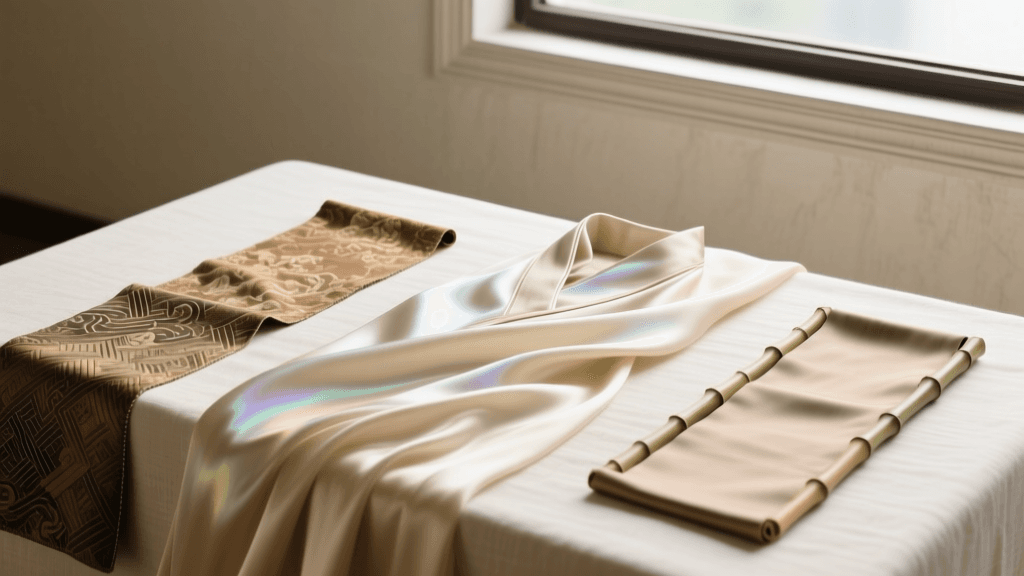
The Ultimate 2026 Guide To Kimono Packing & Travel Care
The Renaissance of Kimono Travel in 2026
As global tourism continues to evolve in 2026, a significant trend has emerged among cultural enthusiasts and fashion historians: traveling with personal kimono collections. Rather than relying on rental shops in Kyoto or Tokyo, travelers are increasingly bringing their own vintage, bespoke, or modern silk garments to wear at temples, tea ceremonies, and seasonal festivals. However, transporting these delicate, multi-layered textiles requires meticulous planning. Silk is highly susceptible to humidity, friction, and deep creasing, making standard suitcase packing entirely inadequate.
Whether you are navigating the bustling transit hubs of Tokyo or taking a scenic journey on the Tokaido Shinkansen, understanding the traditional and modern methods of kimono transport is essential. This comprehensive guide covers the precise folding techniques, specialized packing materials, and on-the-go care strategies required to keep your garments in pristine condition throughout your 2026 travels.
Essential Gear for Kimono Transport
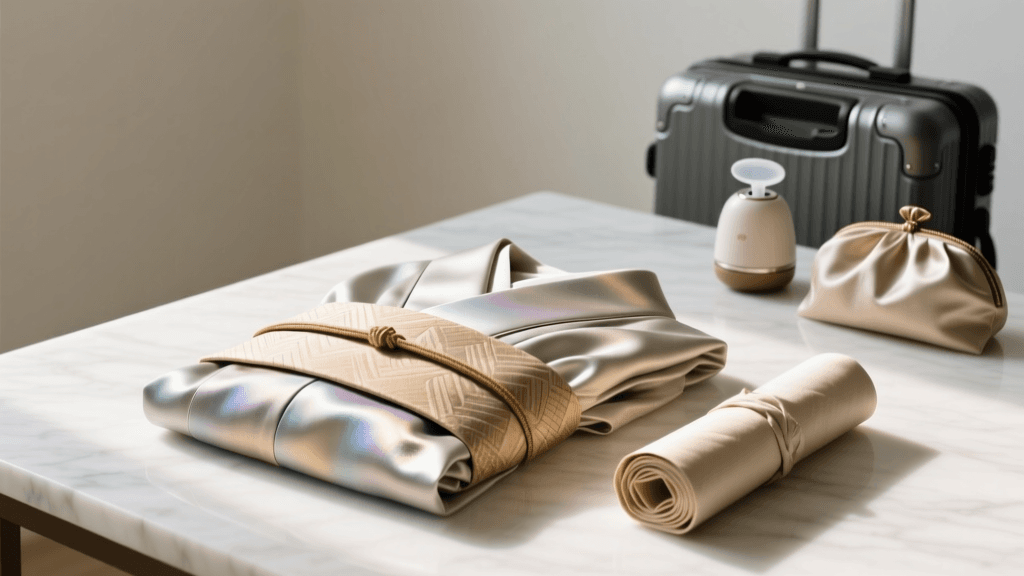
To protect your investment, you must assemble a specialized packing kit. The following table outlines the essential gear recommended by textile conservators and kimono kitsuke (dressing) experts for the modern traveler.
| Item | Purpose | 2026 Recommendation | Est. Cost (USD) |
|---|---|---|---|
| Tatoushi (Wrapping Paper) | Moisture & wrinkle barrier | Acid-free Washi paper with humidity indicators | $25 - $45 |
| Kimono Carriage Bag | Physical & UV protection | Waterproof nylon with rigid base & dual-zippers | $80 - $130 |
| Portable Garment Steamer | Wrinkle removal on-the-go | Dual-voltage (100-240V) compact travel steamer | $50 - $90 |
| Silica Gel Packs | Humidity control | Rechargeable indicating silica cassettes | $15 - $20 |
| Obi Core (Obi-jin) | Prevents obi creasing | Flexible mesh or cardboard rolling tubes | $10 - $15 |
Investing in the Right Carriage Bag
In 2026, the market for kimono carriage bags has expanded significantly. Look for bags constructed from high-denier waterproof nylon featuring a rigid, structured base. Soft-sided bags allow the garment to shift during transit, leading to friction and permanent silk damage. A high-quality carriage bag should measure approximately 90cm in length and 40cm in width, accommodating a standard folded kimono and obi without requiring them to be bent at sharp angles.
The Art of Folding: Hon-datami
The foundational skill of kimono preservation is the hon-datami (standard folding) method. Unlike Western garments that are folded in halves or thirds, a kimono is folded along its sewn seams to prevent stress on the silk fibers and to ensure that any creases fall exactly where they are meant to be hidden when worn.
Step-by-Step Hon-datami
- Preparation: Lay the kimono face down on a clean, dry tatami mat or a specialized folding board. Ensure your hands are clean and free of oils.
- Folding the Okumi (Front Panels): Fold the left okumi (the narrower front panel) inward along its sewn seam so it rests flat against the main body. Repeat with the right okumi.
- Aligning the Eri (Collar): Fold the collar back upon itself so that the two front edges meet perfectly in the center. This creates a neat, triangular fold at the neckline.
- Folding the Sleeves: Fold the left sleeve back over the body of the kimono, aligning the edge with the center seam. Repeat with the right sleeve, tucking it neatly underneath or overlapping it depending on the exact width of your garment.
- The Final Fold: Fold the bottom hem up to meet the collar. The kimono should now form a long, neat rectangle, with all raw edges and delicate embroidery safely tucked inside the fold.
Packing the Obi and Accessories
The obi (sash) requires a different approach. Never fold an obi in half, as this will create a permanent crease through the stiff core. Instead, use the jyabara (accordion) fold or roll it loosely around an obi-jin (core tube). Small accessories like obi-jime (cords) and obi-age (scarves) should be rolled and placed in a separate mesh pouch to prevent them from snagging the silk.
Wrapping in Tatoushi: The Ultimate Barrier
Once folded, the kimono must never be placed directly into a plastic or nylon bag. Plastic traps moisture, which can lead to mold growth—a devastating risk for vintage silk. Instead, the garment is wrapped in a tatoushi, a specialized envelope made of traditional Japanese washi paper.
Washi paper is highly breathable, naturally acid-free, and acts as a buffer against rapid changes in humidity. When wrapping your kimono, ensure the paper is large enough to fold over the garment completely. Secure the tatoushi with the attached paper ties or a simple cotton ribbon. Never use tape, as the adhesive can degrade and stain the paper over time. Place the wrapped kimono into your carriage bag, adding a rechargeable silica gel cassette to the side pocket to absorb any ambient moisture.
Navigating Transit: Shinkansen and Luggage Forwarding
Traveling through Japan with a kimono carriage bag requires an understanding of current transit regulations. As of 2026, the oversized baggage rules on the Tokaido, Sanyo, and Kyushu Shinkansen lines remain strictly enforced. According to the JR Central Oversized Baggage Guidelines, any luggage with total dimensions (length + width + height) exceeding 160cm requires a special seat reservation. A standard kimono bag (90x40x10cm) totals 140cm, meaning it can safely be stored in the overhead racks without a special reservation. However, if you are traveling with multiple garments or a larger wardrobe trunk, you must book an 'oversized baggage seat' at the rear of the train car.
The Takuhaibin Alternative
For travelers who prefer to move unencumbered, Japan's legendary luggage forwarding service, takuhaibin, is an invaluable resource. The Japan National Tourism Organization (JNTO) highly recommends utilizing services like Yamato Transport to send delicate garments directly from your home or hotel to your next destination. When using takuhaibin for a kimono, clearly label the carriage bag as 'Fragile / Garments / Do Not Bend' and inform the counter staff that the contents are high-value textiles. The climate-controlled vans used by major forwarding companies ensure your silk is not exposed to extreme heat or dampness during transit.
On-the-Go Care: Managing Wrinkles and Humidity
Even with perfect packing, minor creases may form during long journeys. Addressing these creases requires care, as direct heat from a standard hotel iron will scorch and melt silk fibers instantly.
Using a Portable Steamer
A dual-voltage portable garment steamer is the most critical on-the-go tool for the 2026 kimono traveler. When steaming silk, maintain a distance of at least 5 centimeters between the steamer nozzle and the fabric. Allow the steam to gently relax the fibers, and use your free hand to lightly tug the hem downward to encourage the crease to release. Never let the metal plate of the steamer touch the silk.
The Bathroom Steam Hack
If you do not have a portable steamer, you can utilize the traditional bathroom steam method. Hang the kimono on a wide, padded hanger (never a wire hanger, which will distort the shoulder seams) in the bathroom while you run a hot shower. Ensure the garment is far enough away from the water source to avoid direct splashes. After 20 minutes of indirect steam, move the kimono to a well-ventilated, dry area of the hotel room to allow the fibers to set as they cool.
Long-Term Storage During Travel
If you are staying in one location for an extended period, remove the kimono from the tatoushi and carriage bag. The Victoria and Albert Museum's textile conservation guidelines emphasize that prolonged compression can weaken historic fibers. Hang the garment in a dark, climate-controlled closet, draped loosely with a breathable cotton cover to protect it from dust and UV light degradation.
Conclusion
Traveling with a kimono in 2026 is a rewarding endeavor that bridges the gap between historical appreciation and modern mobility. By mastering the hon-datami fold, investing in breathable tatoushi wrapping, and utilizing smart transit strategies like takuhaibin and precise steaming techniques, you can ensure your garments remain as vibrant and immaculate as the day they were woven. With the right preparation, your kimono will not just survive the journey—it will elegantly grace every destination you explore.