Kimono Travel Essentials 2026: Packing List & Top Spots
The Shift to Personal Kimono Travel in 2026
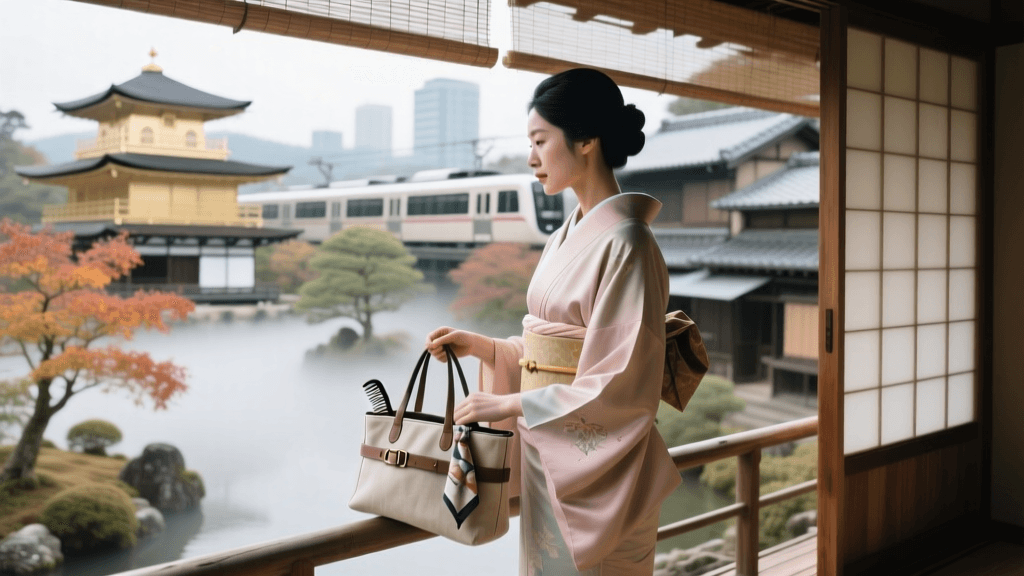
As international cultural tourism to Japan reaches unprecedented levels in 2026, a growing movement of enthusiasts is bypassing commercial rental shops in favor of traveling with their own traditional garments. While rental services offer convenience, they often limit travelers to synthetic, heavily branded, or ill-fitting garments. Bringing your own kimono, yukata, or hakama allows for authentic self-expression, proper seasonal alignment, and a deeply personal connection to Japanese textile arts. However, traveling with traditional Japanese clothing requires strategic packing, specialized accessories, and an understanding of garment care on the road. According to the Japan National Tourism Organization, cultural immersion remains the top priority for long-stay visitors in 2026, making self-dressing an increasingly popular pursuit.
The Ultimate 2026 Kimono Packing List
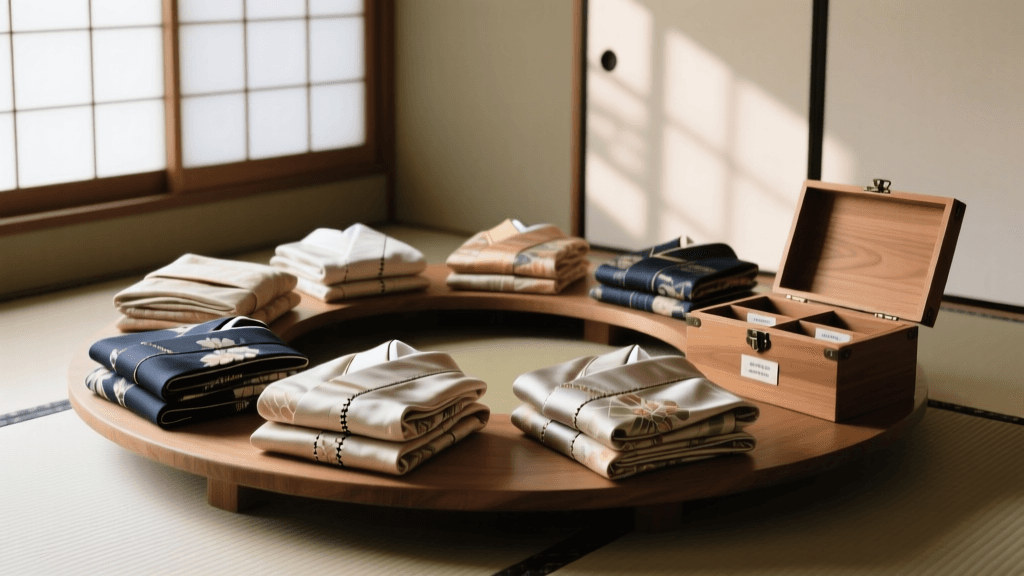
Packing a kimono for international travel is an exercise in spatial efficiency. The traditional flat-folding method, known as tato, is specifically designed to minimize creases and fit into standard rectangular storage boxes. In 2026, many travel-specific kimono bags are designed to mimic these dimensions while fitting perfectly into standard airline carry-on luggage. Below is the essential packing checklist for a multi-day kimono travel itinerary.
| Category | Item | 2026 Travel Recommendation |
|---|---|---|
| Main Garment | Kimono or Yukata | Washable polyester chirimen or lightweight cotton for easy maintenance. |
| Undergarments | Haneri & Juban | Synthetic washable nagajuban with a detachable, easy-to-clean collar. |
| Waist Ties | Koshihimo | Silicone or advanced elastane stretch ties (requires no tight knotting). |
| Obi (Sash) | Hanhaba or Tsuke-obi | Pre-tied tsuke-obi or lightweight woven hanhaba for self-dressing. |
| Footwear | Tabi & Zori | Stretch-toe tabi socks and adjustable, cushioned travel zori sandals. |
| Accessories | Datejime & Obijime | Magnetic datejime and elastic obijime with pre-attached decorative knots. |
| Collar Fixer | Eri-shin | Flexible plastic collar stays to maintain a crisp neckline all day. |
Modern Accessories That Save Luggage Space
The most significant challenge for kimono-wearing travelers is managing the multitude of small ties and boards traditionally required for dressing. Fortunately, the Japanese textile accessory market has introduced brilliant innovations for the modern traveler. In 2026, magnetic datejime (the decorative tie worn under the main obi) and velcro-fastened koshihimo (waist ties) have become industry standards for self-dressers. These eliminate the need for complex knotting and drastically reduce the time it takes to get dressed in a compact hotel room.
Furthermore, the tsuke-obi (pre-tied obi) has seen a massive design overhaul. Unlike the stiff, artificial-looking pre-tied sashes of the past, 2026 models feature genuine silk brocades and memory-wire internal structures that allow them to be flattened for packing and instantly spring back into a perfect otaiko (drum) or bunko (bow) knot when worn. Packing a single main garment with a pre-tied obi and stretch-ties reduces your kimono luggage footprint by nearly 40 percent.
Where to Wear: Top 3 Scenic Self-Dressing Destinations
Choosing where to wear your kimono is just as critical as how you pack it. Central Kyoto and Asakusa in Tokyo are undeniably beautiful, but navigating dense crowds in trailing sleeves can be stressful. For a more serene and photographic experience in 2026, consider these curated destinations that balance historical architecture with pedestrian comfort.
1. Kanazawa: The Higashi Chaya District
Kanazawa is widely considered the premier alternative to Kyoto for traditional aesthetics. The Higashi Chaya geisha district features preserved wooden machiya teahouses and cobblestone streets. Because Kanazawa's tourism infrastructure is highly distributed, the streets here feel significantly less congested than Kyoto's Gion district. The Japan Guide frequently highlights Kanazawa's seasonal beauty, particularly the gold-leaf ice cream shops and quiet tea houses that provide perfect, unhurried backdrops for kimono photography.
2. Kyoto Outskirts: Ohara and Sanzen-in
While central Kyoto's Higashiyama ward faces intense overtourism, the northern rural village of Ohara offers a breathtaking, tranquil alternative. Home to the Sanzen-in Temple, this area features lush moss gardens, rustic farmhouses, and mountain streams. According to the Kyoto City Tourism Association, promoting these peripheral zones is a major initiative for 2026 to preserve the city's heritage. Wearing a subdued, nature-inspired tsumugi (pongee silk) kimono here blends perfectly with the rustic, spiritual atmosphere.
3. Kawagoe: The Edo-Style Warehouse District
Located just 45 minutes from central Tokyo via the Tobu Tojo Line, Kawagoe is known as 'Little Edo.' Its iconic clay-walled warehouse buildings and the historic Toki no Kane (Time Bell Tower) create an immersive 19th-century streetscape. Kawagoe is highly accessible for a day trip, and the wide, flat sidewalks make walking in traditional zori sandals much easier than on the uneven stone paths of older temple towns.
Garment Care and Wrinkle Management on the Road
Even with perfect tato folding, travel inevitably introduces creases. Managing wrinkles without access to a traditional kimono steaming setup requires a modern approach. First, always pack a lightweight, dual-voltage travel garment steamer. The latest 2026 models weigh under 400 grams and heat up in seconds, allowing you to gently steam the hem and sleeves in your hotel room before dressing.
If a steamer is not an option, the 'bathroom steam method' remains highly effective. Hang the kimono on a specialized, wide-shouldered kimono hanger (which can be purchased as a collapsible travel model) in the bathroom while you take a hot shower. The ambient steam will release minor creases. For stubborn wrinkles on cotton yukata, a standard hotel iron can be used, but only on a low-heat setting and strictly with a cotton pressing cloth placed between the iron and the garment to prevent scorching or unwanted shine on the fabric.
Luggage Forwarding: The Takuhaibin Advantage
One of the greatest travel hacks in Japan is the Takuhaibin (luggage forwarding) service. In 2026, major carriers like Yamato Transport have streamlined their English-language digital interfaces, allowing travelers to ship specialized garment boxes directly from one hotel to the next. If you are traveling with multiple kimono sets, heavy winter obis, or formal wear that requires bulky boxes, simply pack your daily essentials in a carry-on and forward the main garment boxes to your destination ryokan. This allows you to navigate bullet trains and subway systems unencumbered, arriving at your accommodation to find your freshly pressed garments waiting for you.
Cultural Etiquette and Dressing Tips for Travelers
Wearing a kimono as a foreign visitor is generally met with warmth and appreciation in Japan, provided it is worn with respect for the garment's fundamental rules. The most critical rule is the collar alignment: the left panel must always overlap the right panel (a style known as migi-mae). Reversing this is strictly reserved for dressing the deceased. Additionally, ensure the hem of your kimono falls neatly at the ankle, completely covering your tabi socks, and keep the back seam perfectly centered along your spine.
When entering traditional spaces, such as tatami-mat tea rooms or ryokan interiors, always remove your zori sandals at the entryway (genkan). Never step on the edges of tatami mats or the thresholds of sliding doors, as this is considered disrespectful to the architecture. By combining meticulous packing with mindful etiquette, your 2026 kimono travel experience will be a seamless, deeply rewarding immersion into one of Asia's most exquisite sartorial traditions.