2026 Kimono Milestones: Shichi-Go-San to Seijin-no-Hi Guide
The Cultural Tapestry of Japanese Life Stages
In Japan, the kimono is far more than a beautiful garment; it is a wearable diary that chronicles the most profound transitions of a person’s life. From the innocent rites of childhood to the solemn commitments of marriage and the joyous celebration of longevity, traditional Japanese clothing marks our most sacred milestones. In Japanese culture, there is a distinct philosophical divide between hare (the extraordinary, sacred, or ceremonial) and ke (the ordinary, everyday). The kimono is the ultimate expression of hare. As we navigate the cultural landscape in 2026, the intersection of ancestral tradition and modern convenience has transformed how families approach these milestones, blending centuries-old aesthetics with contemporary sustainability and digital booking systems.
According to the Victoria and Albert Museum's comprehensive guide to the kimono, the evolution of these garments is deeply intertwined with Japan's social history, where specific motifs, colors, and sleeve lengths were strictly codified to communicate age, marital status, and the nature of the ceremony being attended. Today, while the strict Edo-period sumptuary laws have long vanished, the cultural vocabulary of the kimono remains vibrantly intact, especially during key life stage celebrations.
Shichi-Go-San (Ages 3, 5, and 7): Childhood Celebrations
Held annually on November 15th, Shichi-Go-San (literally 'Seven-Five-Three') is a rite of passage celebrating the growth and well-being of young children. Historically, infant mortality was high, and reaching these specific ages was considered a miraculous milestone worthy of a shrine visit to express gratitude to the ujigami (local tutelary deities).
Age 3: The Hifu Ceremony
At age three, both boys and girls traditionally wear a kimono, but the styling differs. For girls, the 2026 trend heavily favors the hifu, a padded, sleeveless silk vest worn over a brightly patterned kimono. The hifu eliminates the need for a tight, restrictive obi (sash), ensuring the toddler remains comfortable. In 2026, many Kyoto and Tokyo rental boutiques have introduced high-tech, washable synthetic silks for the three-year-old demographic. These modern fabrics mimic the luster of traditional tango chirimen (crepe silk) but offer the practical benefit of being stain-resistant and easily sanitized, a feature highly sought after by modern parents.
Age 5: The First Hakama
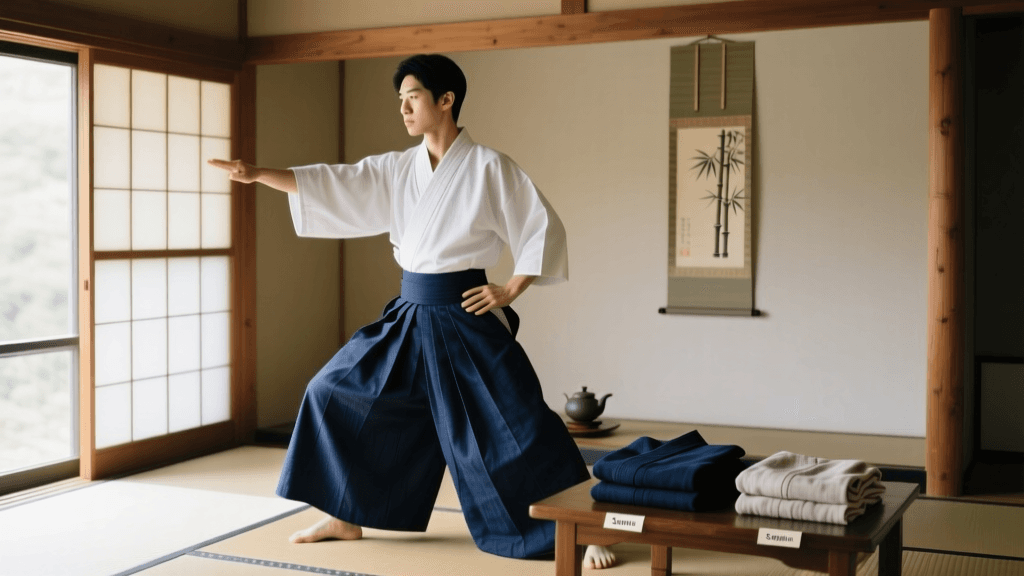
Five-year-old boys celebrate by wearing their first hakama (pleated trousers) and haori (jacket). The ensemble is typically adorned with auspicious motifs like eagles, samurai helmets (kabuto), or dragons, symbolizing courage and strength. The boy holds a traditional fan (sensu) and wears zori sandals with white tabi socks.
Age 7: The Transition to the Obi
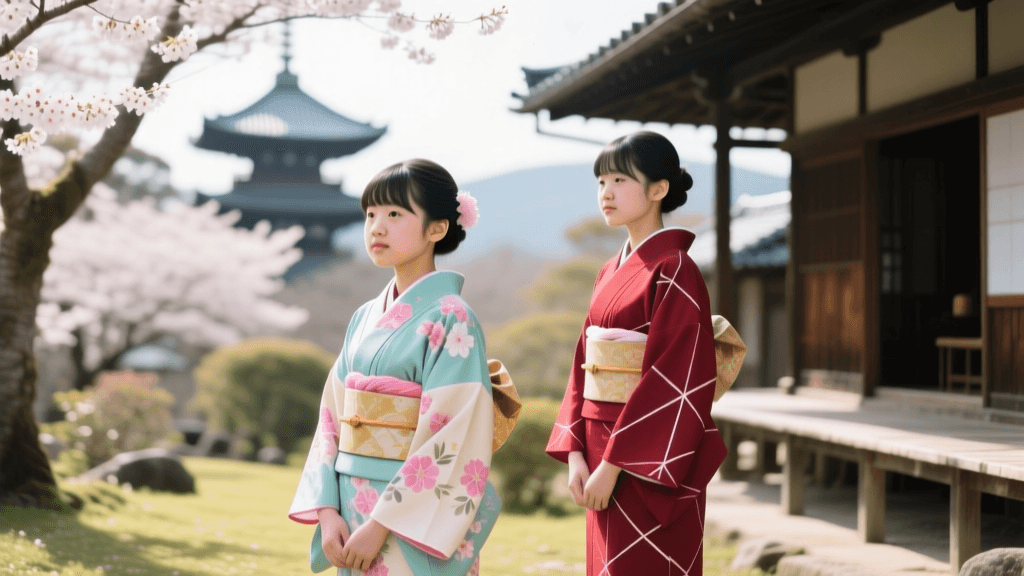
For seven-year-old girls, the milestone marks the transition from wearing simple cord ties to a proper, structured obi. They wear a yuzen-dyed kimono with long, flowing sleeves, and the obi is tied in a decorative knot, often resembling a butterfly. This is a miniature reflection of adult women's formalwear, symbolizing their first step into the broader societal fold.
Seijin-no-Hi (Age 20): Coming of Age Day
Celebrated on the second Monday of January, Seijin-no-Hi marks the transition into legal adulthood. For young women, this is the most significant kimono event of their lives, centered around the wearing of the furisode. The Metropolitan Museum of Art's Heilbrunn Timeline of Art History notes that the furisode, characterized by its dramatically long, swinging sleeves, originated in the Edo period as children's wear but evolved into the exclusive domain of unmarried young women to signal their eligibility for marriage and their youthful vitality.
Furisode Sleeve Lengths and 2026 Trends
Furisode sleeves come in three lengths: kofurisode (approx. 85cm), chufurisode (approx. 100cm), and ofurisode (approx. 114cm). The ofurisode is the most formal and popular choice for Coming of Age Day. As of 2026, the Seijin-no-Hi fashion landscape has shifted beautifully. While classic pastels featuring cherry blossoms and cranes remain beloved, there is a massive surge in demand for 'retro-modern' aesthetics. Deep jewel tones—such as emerald green, sapphire blue, and rich burgundy—paired with bold, geometric Taisho-era patterns are dominating the 2026 season.
Furthermore, sustainability is a major theme in 2026. Many young adults are choosing to upcycle their mothers' or grandmothers' vintage furisode. Specialist cleaners and tailors in Tokyo's Asakusa district offer 'remake' services, modernizing vintage garments with new collars, contemporary obi accessories, and professional stain removal, allowing families to pass down heirloom textiles while significantly reducing the environmental footprint of fast-fashion formalwear.
Wedding Traditions: Shiromuku and Uchikake
Japanese weddings often feature a wardrobe change that rivals any global red carpet. For a traditional Shinto ceremony, the bride wears a shiromuku, an entirely white ensemble symbolizing purity and the bride's willingness to be 'dyed' in the colors of her new family. The ensemble includes a white katsuyama or bunkin takashimada wig adorned with white kanzashi (hair ornaments) and a white tsunokakushi hood, which playfully symbolizes the hiding of the bride's 'horns' of jealousy.
For the reception, the bride changes into an irouchikake, a heavily padded, vibrantly colored outer robe worn open over a white kimono. In 2026, bespoke embroidery featuring the couple's family crests intertwined with seasonal flora is highly requested. The Japan National Tourism Organization highlights that while Western-style weddings remain popular, there has been a distinct renaissance in Shinto shrine weddings among younger couples seeking to reconnect with their ancestral roots in the post-pandemic era.
Kanreki (Age 60): The Cycle Reborn
The 60th birthday, or Kanreki, marks the completion of the traditional 60-year zodiac cycle, symbolizing a rebirth and the beginning of a new life. The traditional garment for this milestone is the chanchanko, a padded, sleeveless vest, worn in bright red. The red color is associated with babies and the warding off of evil spirits. In 2026, modern seniors are redefining Kanreki celebrations, often opting for sophisticated maroon or crimson silk haori jackets instead of the traditional padded vest, blending the auspicious color requirement with a more refined, contemporary silhouette suitable for upscale restaurant celebrations.
2026 Kimono Milestone Planning & Cost Table
Planning for these milestones requires foresight, especially in 2026, where high demand and a shortage of licensed kitsuke (kimono dressing) professionals mean that early booking is essential. Below is a comprehensive breakdown of the estimated costs and timelines for the 2026 season.
| Life Stage | Event | Garment Type | 2026 Avg. Rental (JPY) | 2026 Avg. Purchase (JPY) | Booking Lead Time |
|---|---|---|---|---|---|
| Age 3 | Shichi-Go-San | Hifu & Kimono Set | ¥12,000 - ¥18,000 | ¥35,000 - ¥60,000 | 2-3 Months |
| Age 5 | Shichi-Go-San | Hakama & Haori Set | ¥15,000 - ¥22,000 | ¥45,000 - ¥80,000 | 2-3 Months |
| Age 7 | Shichi-Go-San | Yuzen Kimono & Obi | ¥20,000 - ¥35,000 | ¥80,000 - ¥150,000 | 3-4 Months |
| Age 20 | Seijin-no-Hi | Furisode Full Set | ¥60,000 - ¥180,000 | ¥350,000 - ¥900,000+ | 6-12 Months |
| Bride | Wedding | Shiromuku / Uchikake | ¥180,000 - ¥350,000 | ¥1,200,000+ | 12-18 Months |
| Age 60 | Kanreki | Red Chanchanko/Haori | ¥8,000 - ¥15,000 | ¥20,000 - ¥45,000 | 1-2 Months |
Actionable Advice for 2026 Rentals and Purchases
Navigating the Digital Booking Landscape
In 2026, the traditional method of calling a local kimono shop has been largely superseded by digital platforms. Most premium rental boutiques in Tokyo, Kyoto, and Osaka utilize the LINE messaging app for consultations, virtual fittings, and contract signing. When booking a furisode or Shichi-Go-San package, ensure the quoted price is an 'all-inclusive' (furupakku) rate. This should cover the garment rental, the kitsuke (dressing) fee, hair styling, and a rental bag. Beware of hidden 'accessory upgrade' fees that are often added on the day of the event.
Sizing and Weather Considerations
Unlike Western formalwear, kimonos are generally one-size-fits-all, adjusted through intricate folding and tucking by the dresser. However, if you are exceptionally tall (over 175cm for women) or plus-sized, you must specifically request a tokudai (extra-large) or custom-tailored rental, which requires an additional two months of lead time. Furthermore, January in Japan is freezing. For Seijin-no-Hi, it is highly recommended to rent or purchase a plush, faux-fur shawl and utilize disposable kairo (heat packs) placed strategically at the lower back and ankles beneath the kimono to maintain warmth without disrupting the garment's silhouette.
Conclusion
The kimono remains a living, breathing testament to Japan's ability to honor its past while gracefully adapting to the future. Whether you are dressing a toddler for their first shrine visit or stepping into adulthood in a sweeping furisode, understanding the nuances of these life stage garments ensures that your 2026 celebrations are as culturally rich and personally meaningful as they are visually stunning.