Best Hanfu For Tai Chi And Qigong Practice 2026: Fabric & Fit Guide
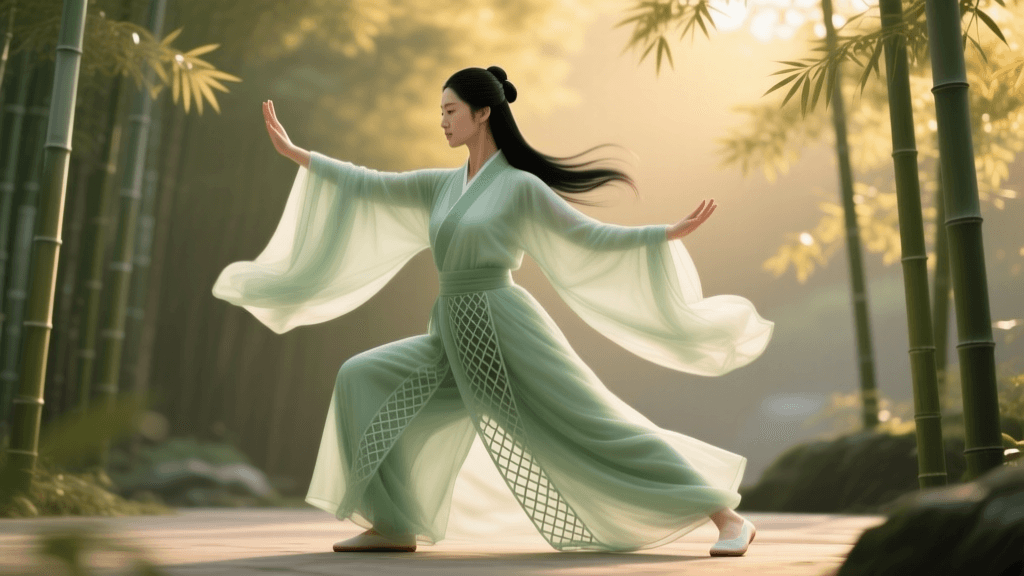
As the global wellness movement continues to evolve in 2026, the intersection of traditional Chinese clothing and mindful practices like Tai Chi and Qigong has reached new heights. The Xin Zhongshi (New Chinese Style) movement has shifted from purely aesthetic fashion to functional, lifestyle-integrated garments. For practitioners of internal martial arts and Qi cultivation, what you wear is not merely a fashion statement; it is a vital tool that facilitates breathwork, grounding, and unrestricted meridian flow. In this comprehensive guide, we explore the best Hanfu silhouettes, fabric technologies, and footwear options optimized for Tai Chi and Qigong practice in 2026.
The Intersection of Xin Zhongshi and Mindful Movement
In 2026, the Xin Zhongshi market has matured significantly. Designers are no longer just replicating museum pieces; they are engineering historical silhouettes for modern biomechanics. According to Harvard Health Publishing, Tai Chi is often described as "meditation in motion," requiring garments that do not restrict the diaphragm during deep abdominal breathing or bind the joints during slow, deliberate weight transfers. Traditional Hanfu, with its flat-pattern cutting and generous ease, is inherently suited for this. However, not all historical styles are practical for the low stances of Tai Chi or the expansive arm movements of Qigong. Selecting the right silhouette is paramount for an uninterrupted practice.
Top Hanfu Silhouettes for Unrestricted Flow
Song Dynasty Beizi (褙子) and Wide-Leg Ku (袴)
For summer Qigong sessions or indoor studio practice, the Song Dynasty Beizi paired with wide-leg Ku (trousers) remains the gold standard in 2026. The Beizi is a long, open-front jacket with side slits that extend high up the torso. This design allows for exceptional hip mobility, crucial for the deep horse stances (Ma Bu) found in Tai Chi. The straight, unstructured sleeves of the Beizi follow the natural drape of the arm, ensuring that when you raise your hands in "Parting the Wild Horse's Mane," the fabric moves with you rather than pulling at the shoulders. When sourcing a Beizi for martial arts, look for a sleeve length that ends exactly at the wrist bone to prevent fabric from obscuring hand forms.
Ming Dynasty Daopao (道袍) with Side Slits
The Daopao, or Daoist robe, is a staple for cooler weather and outdoor morning practice. Characterized by its crossed collar and side panels that fold inward, the Daopao provides a cocoon-like warmth without the bulk of modern layered activewear. In 2026, many specialized wellness brands offer the Daopao in lightweight, brushed organic cotton. The inner side slits allow the legs to move freely, while the wide sleeves promote a sense of expansive energy (Peng Jin) during forms like "White Crane Spreads Its Wings." The crossed collar also naturally supports the posture of the upper back, reminding the practitioner to keep the chest slightly hollowed and the back rounded, a core tenet of internal martial arts.
Tang Dynasty Banbi (半臂) for Upper Body Articulation
For those who prefer a more fitted upper body to allow instructors to see their spinal alignment, the Tang Dynasty Banbi (half-sleeve jacket) worn over a lightweight Ru (top) is an excellent choice. The short sleeves prevent fabric from dragging during rapid Qigong shaking techniques or Ba Duan Jin (Eight Brocades) sequences, while the high-waisted skirt or trousers maintain the traditional aesthetic and keep the lower dantian (energy center) warm and protected from drafts.
Why Fabric Choice Matters in Qi Cultivation
The concept of Qi (vital energy) relies on the unobstructed flow of blood and breath. Synthetic fabrics like polyester, which still dominate the fast-fashion activewear market, trap heat and generate static electricity. Traditional Chinese medicine practitioners believe this static can disrupt the body's subtle energy fields and trap dampness against the skin. As noted by The Metropolitan Museum of Art's extensive archives on Chinese textiles, historical garments relied heavily on natural fibers like ramie, hemp, and mulberry silk, which possess natural temperature-regulating and antimicrobial properties.
In 2026, the best Hanfu for wellness practices utilize advanced natural weaves. Ramie-linen blends offer the crisp drape of traditional Xia Bu (summer cloth) but with modern enzyme-washing techniques that eliminate the historical scratchiness. Mulberry silk crepe de chine is favored for its unparalleled moisture-wicking capabilities, keeping the practitioner dry during intense standing meditation (Zhan Zhuang). Furthermore, natural fibers allow the skin to breathe, preventing the "wind-cold" invasion that TCM warns against when sweat cools on the body after rigorous forms.
2026 Fabric Comparison: Traditional Weaves vs. Modern Blends
| Fabric Type | Best For | Breathability | Drape & Movement | Estimated 2026 Cost (USD) |
|---|---|---|---|---|
| 100% Mulberry Silk | Indoor Qigong, Meditation | Excellent | Fluid, follows Qi flow | $120 - $250 |
| Enzyme-Washed Ramie | Summer Tai Chi, Outdoor | Superior | Crisp, structured ease | $65 - $110 |
| Organic Cotton-Linen | All-Season Studio Practice | Very Good | Soft, moderate drape | $50 - $90 |
| Bamboo Viscose Blend | High-Sweat Ba Duan Jin | Good | Heavy, clingy when wet | $40 - $75 |
Footwear for Grounding: Thousand-Layered Soles
A critical, yet often overlooked, aspect of Tai Chi and Qigong is the physical and energetic connection to the earth. Modern rubber-soled sneakers elevate the heel and cushion the foot, severing the sensory feedback loop between the Yongquan (Kidney 1) acupressure point on the sole and the ground. In 2026, traditional cloth shoes with "thousand-layered" cotton soles (千层底) have seen a massive resurgence among serious practitioners. Hand-stitched from compressed cotton and hemp, these soles provide a firm, flat base that promotes proper skeletal alignment and allows the toes to grip the floor naturally, essential for generating power from the ground up (Fa Jin).
For outdoor practice on rough terrain or in damp morning conditions, modern 2026 iterations feature a thin, flexible natural rubber outlayer added to the traditional cotton base. This hybrid approach preserves the proprioceptive grounding feel while ensuring durability and water resistance, bridging the gap between ancient wisdom and modern practicality.
Sourcing and Caring for Your Wellness Hanfu
When sourcing movement-friendly Hanfu, pay close attention to the gussets (underarm inserts). Historical garments often featured diamond-shaped gussets that provided extra room for arm elevation. Many mass-produced Xin Zhongshi brands omit this to save costs, resulting in garments that pull tightly across the chest when arms are raised. Always check product specifications for "underarm gussets" or "flat-pattern cutting" to ensure the garment supports a full range of motion.
Caring for natural fiber Hanfu requires a departure from modern laundry habits. Ramie and silk should be hand-washed in cool water with a pH-neutral, enzyme-free detergent. Avoid wringing the fabric; instead, roll it in a clean towel to absorb excess water and hang it to dry in the shade. This preserves the structural integrity of the fibers and maintains the garment's natural drape, ensuring it continues to support your wellness journey for years to come.
Conclusion
The integration of Hanfu into Tai Chi and Qigong is more than a nostalgic trend; it is a return to a holistic understanding of the body, clothing, and environment. By selecting the appropriate silhouettes and natural fabrics, practitioners in 2026 can deepen their mindfulness, enhance their physical alignment, and honor the rich heritage of Asian traditions. As the Mayo Clinic highlights, the physical and mental benefits of Tai Chi are profound, and wearing attire that respects, facilitates, and amplifies this ancient art makes every movement more intentional and grounded.