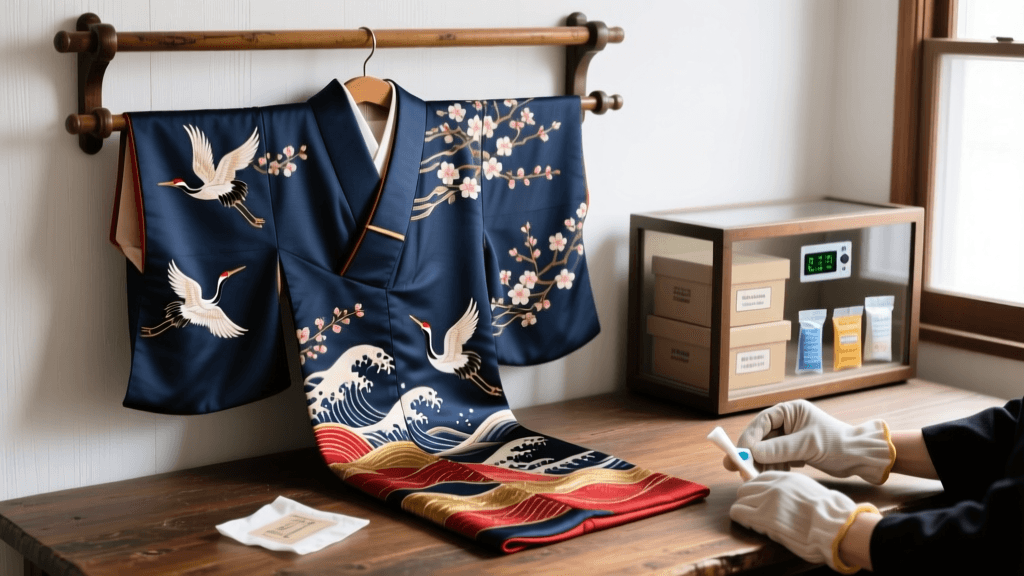
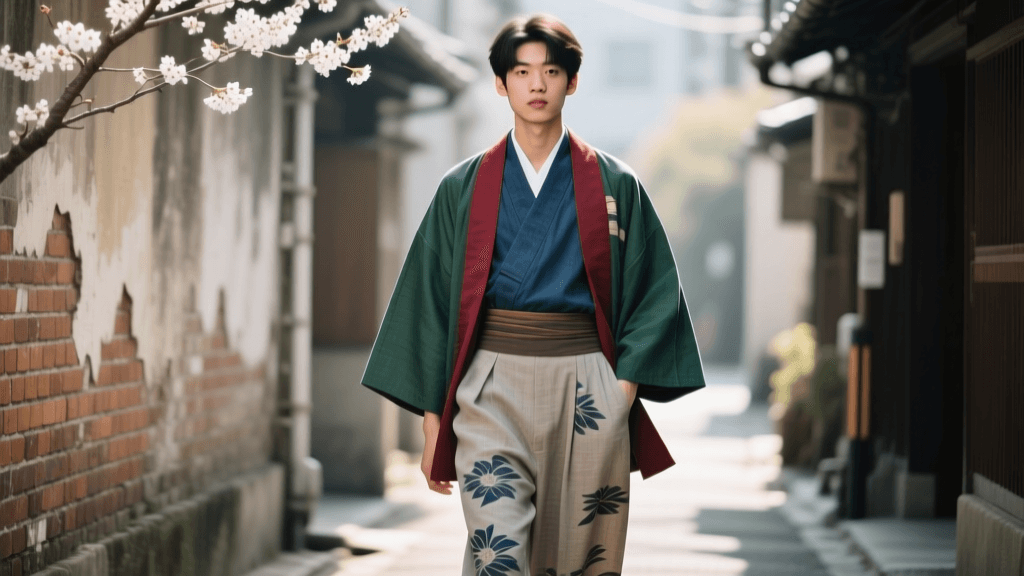
Best Japanese Fashion School Textile Workshops & Online Courses 2026
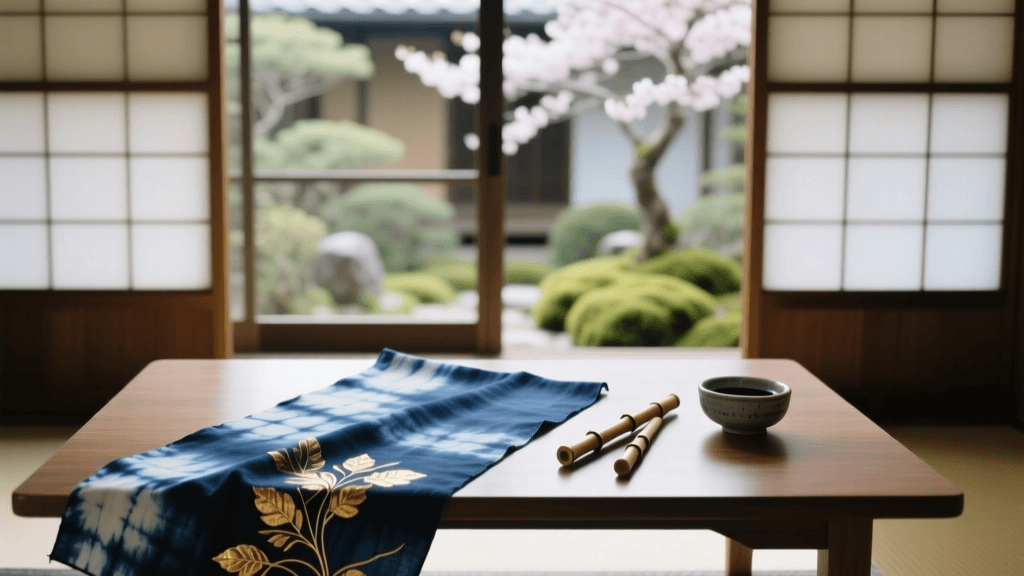
Mastering Wafuku Textiles: The 2026 Guide to Japanese Fashion School Workshops
The global fashion industry is experiencing a profound renaissance in traditional Asian textiles, with designers and artisans alike seeking authentic mastery of historical Japanese techniques. As we navigate through 2026, the intersection of heritage craftsmanship and modern digital education has never been more accessible. For international students, independent designers, and textile enthusiasts, Japanese fashion schools have pioneered a hybrid learning model that combines rigorous online theory with immersive, in-person workshop intensives.
Whether you are looking to understand the intricate resist-dyeing methods of Yuzen, the geometric precision of Sashiko, or the fluid artistry of Shibori, the 2026 academic cohort offers unprecedented opportunities. Institutions in Tokyo and Kyoto have restructured their continuing education and short-term certificate programs to accommodate global learners, shipping specialized at-home tool kits and utilizing augmented reality (AR) for remote loom and dye-vat monitoring before students arrive in Japan for hands-on studio time.
The 2026 Shift to Hybrid Textile Education
Historically, mastering traditional Japanese garment textiles required years of apprenticeship or relocation to Japan. However, the educational landscape in 2026 reflects a sophisticated hybrid approach. Leading institutions like Bunka Fashion College and Kyoto Seika University have integrated digital platforms that allow students to study the chemical properties of natural indigo, the historical context of the Edo period sumptuary laws, and digital pattern drafting from anywhere in the world.
Once the theoretical foundation is laid, students transition to physical campuses in Tokyo or Kyoto for two-to-three-week intensive workshops. This model not only reduces the cost of long-term international relocation but also ensures that precious studio time is spent exclusively on tactile, hands-on creation under the guidance of master artisans (often designated as Living National Treasures or their direct apprentices). According to the Japan National Tourism Organization, educational tourism focused on traditional crafts has surged in 2026, prompting schools to offer dedicated visa-support letters for short-term cultural study.
Top Japanese Fashion School Workshops for 2026
Below is a comparative overview of the most prestigious hybrid and in-person textile workshops available for the 2026 academic year. These programs are specifically tailored for those looking to integrate traditional Asian garment techniques into contemporary fashion design.
| Institution | Core Technique | Format | 2026 Tuition (JPY) | Location |
|---|---|---|---|---|
| Bunka Fashion College | Yuzen Dyeing & Silk Painting | 4-Week Hybrid (2 Online / 2 In-Person) | ¥320,000 | Shibuya, Tokyo |
| Kyoto Seika University | Shibori & Natural Indigo Masterclass | 3-Week In-Person Intensive | ¥245,000 | Sakyo Ward, Kyoto |
| Tokyo Mode Gakuen | Sashiko, Boro & Structural Mending | 6-Week Online + 1 Weekend Lab | ¥180,000 | Shinjuku, Tokyo |
| Kyoto University of the Arts | Nishijin Weaving & Jacquard Integration | 2-Week In-Person Studio | ¥290,000 | Higashiyama, Kyoto |
Bunka Fashion College: Yuzen Dyeing Intensive
Bunka Fashion College remains the vanguard of Japanese fashion education. Their 2026 Yuzen Dyeing Intensive is a masterclass in the creation of formal kimono textiles. The program begins with a two-week online module where students learn the history of the Miyazaki Yuzensai technique, study the chemistry of itome-nori (rice paste resist), and draft their initial motifs using both traditional brushwork and digital vector software.
Upon arriving at the Shibuya campus, students spend two weeks in the dye labs. The physical workshop focuses on stretching silk on bamboo frames, applying the resist paste with specialized brass cones, and executing the iro-sashi (color insertion) process using artisanal brushes. The 2026 curriculum places a heavy emphasis on sustainable dye sourcing, replacing some traditional heavy-metal mordants with eco-friendly botanical alternatives developed by the school’s textile research department. Students leave with a fully dyed, continuous 12-meter bolt of silk ready for garment construction.
Kyoto Seika University: Shibori & Natural Indigo Masterclass
Located near the historic Takaragaike lake, Kyoto Seika University offers an unparalleled environment for studying Shibori. The 2026 cohort focuses heavily on the intersection of traditional binding techniques and modern zero-waste fashion design. The in-person intensive covers the foundational triad of Shibori: Kanoko (fawn-spot binding), Miura (looped binding), and Arashi (pole-wrapping).
What sets the 2026 program apart is the inclusion of a proprietary natural indigo vat management course. Students learn to cultivate and maintain a living sukumo (fermented indigo leaf) vat, understanding the delicate pH and temperature balances required to keep the bacteria active. For international students unable to commit to the full three weeks in Kyoto, the university now ships a temperature-controlled, cold-chain indigo starter kit to their home countries, allowing them to complete the fermentation module remotely before arriving in Japan for the advanced binding and dyeing workshops.
Tokyo Mode Gakuen: Sashiko, Boro & Structural Mending
As the sustainable fashion movement matures in 2026, the functional art of Boro (ragged cloth) and Sashiko (little stabs) has transitioned from rural necessity to high-fashion structural design. Tokyo Mode Gakuen’s hybrid course is designed for contemporary apparel designers looking to integrate visible mending and geometric quilting into denim, outerwear, and avant-garde silhouettes.
The six-week online portion covers the mathematics of Sashiko grid drafting, the history of hemp and cotton cultivation in the Tohoku region, and the ergonomics of traditional thimble (yubinuki) usage. The course culminates in a mandatory weekend lab in Shinjuku, where students work on heavy-weight, multi-layered textiles, learning how to distribute tension across garments to create structural integrity without the use of modern adhesives or synthetic interfacings.
Essential Tools & 2026 At-Home Kits
One of the most significant advancements in 2026’s hybrid learning models is the sophistication of the at-home tool kits provided by these institutions. To ensure parity between remote and in-person students, schools have partnered with heritage toolmakers in Kyoto and Tokyo to ship authentic equipment globally. A standard 2026 Shibori and Yuzen prep-kit typically includes:
- Authentic Yubinuki (Thimbles): Hand-wound silk and washi paper thimbles from Kanazawa, essential for driving thick Sashiko needles through heavy denim or layered cotton.
- Brass Itome-Nori Cones: Precision-machined tips for applying rice paste resist, graded by millimeter width to accommodate both micro-linework and bold geometric borders.
- Specialized Sashiko Needles: Forged in Hiroshima, these needles feature elongated eyes and tapered shafts designed specifically for running stitches through dense, multi-layered textiles.
- Botanical Mordant Samples: Safe, non-toxic fixatives derived from plum vinegar and wood ash, allowing students to safely experiment with natural dye chemistry in their home kitchens or garages.
- AR Loom & Vat Monitors: Access to the school’s proprietary app, which uses smartphone cameras to analyze the color depth of your home indigo vat or the tension of your warp threads, providing real-time feedback from teaching assistants in Japan.
How to Apply and Prepare for Your 2026 Cohort
Securing a spot in these highly coveted workshops requires strategic planning. Applications for the Fall 2026 intensives typically open in early Spring, and international cohorts are capped at 12 to 15 students to ensure adequate one-on-one time with master artisans. Prospective students must submit a digital portfolio showcasing their current textile work, a statement of intent detailing how they plan to integrate traditional Japanese techniques into their future collections, and proof of foundational sewing or design skills.
Financially, students should budget not only for tuition but also for the specialized material fees, which usually range from ¥40,000 to ¥70,000 depending on the cost of the silk and natural dyes used. Furthermore, while the schools provide visa-support documentation for the in-person portions, students are responsible for securing their own short-term cultural activity visas or tourist visas, depending on their country of origin and the specific duration of the workshop.
For those serious about preserving and evolving the legacy of Asian traditional garments, the 2026 workshop offerings represent a golden era of accessibility. By bridging the gap between ancient artisan studios and modern global design practices, these Japanese fashion schools are ensuring that techniques like Yuzen, Shibori, and Sashiko continue to thrive on the global runways and in the ateliers of tomorrow.