Kimono Travel Essentials 2026: What to Pack & Wear

The 2026 Landscape of Kimono Travel
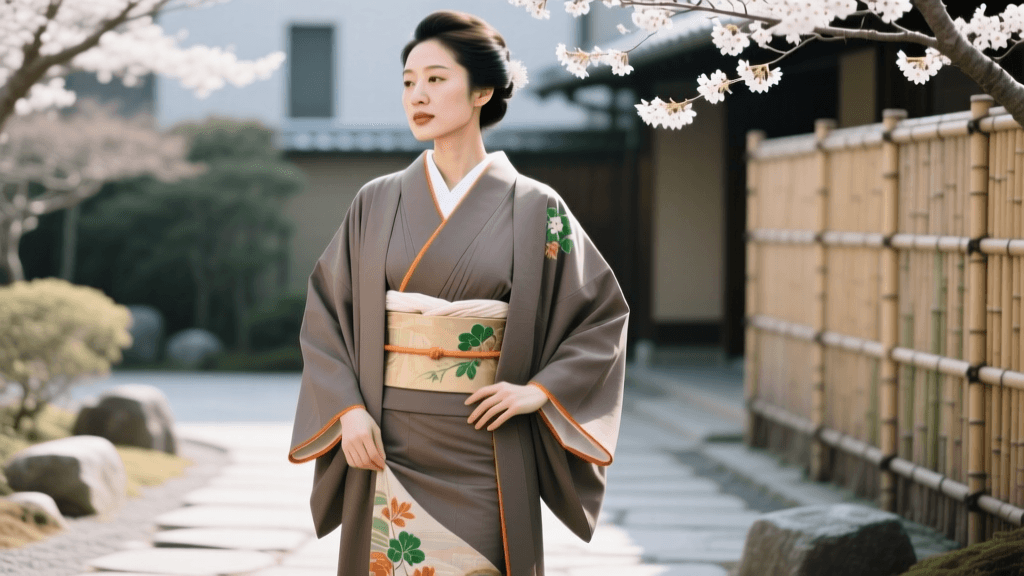
As global tourism to Japan reaches new heights in 2026, travelers are increasingly seeking authentic, immersive cultural experiences. Among the most profound ways to connect with Japanese heritage is by wearing traditional garments like the kimono and yukata. However, traveling with these delicate, multi-layered garments requires careful planning, specialized packing techniques, and a deep understanding of modern etiquette. Whether you are a seasoned kitsuke (kimono dressing) practitioner or a beginner hoping to pack a simple summer yukata, this comprehensive guide covers everything you need to know about kimono travel essentials for 2026.
Choosing Your Travel Garment: Fabric Matters
The first rule of traveling with traditional Japanese clothing is selecting the right fabric. Authentic silk is breathtaking but notoriously difficult to maintain on the road. It wrinkles easily, requires specialized dry cleaning, and can be ruined by a sudden summer downpour. For the modern traveler in 2026, alternative fabrics offer a perfect blend of authenticity and practicality.
Washable Tech-Silk and Polyester Blends
Advancements in textile manufacturing have made high-quality polyester and washable tech-silk blends nearly indistinguishable from traditional silk. These garments are machine-washable, resist wrinkling, and drape beautifully. They are the ultimate travel hack for kimono enthusiasts who want the elegance of silk without the anxiety of hotel sink washing.
Cotton and Linen Yukata
For travel between June and September, the cotton yukata is your best companion. Breathable, lightweight, and easy to fold, the yukata requires far fewer undergarments and accessories than a full kimono ensemble. In 2026, linen-blend yukata have also surged in popularity, offering superior moisture-wicking properties for Japan’s notoriously humid summers.
The Ultimate Kimono Packing Checklist
Packing a kimono is not just about the outer garment; it requires a specific ecosystem of undergarments, ties, and accessories. Forgetting a single item can make dressing impossible. Below is the essential packing list for a casual travel kimono or yukata ensemble.
| Item | Category | 2026 Travel Recommendation | Est. Weight |
|---|---|---|---|
| Kimono / Yukata | Main Garment | Polyester blend or cotton (wrinkle-resistant) | 600g - 900g |
| Juban (Undergarment) | Base Layer | Synthetic mesh or bamboo (cooling & washable) | 200g |
| Koshihimo (Waist Ties) | Dressing Tools | Pack 3-4 elastic or silk-blend ties | 150g |
| Datejime | Under-Obi Belt | Velcro-closure magic datejime for easy packing | 100g |
| Hanhaba Obi | Sash / Belt | Reversible half-width obi for two looks in one | 300g |
| Obi-ita | Obi Board | Foldable or flexible mesh board | 80g |
| Tabi | Footwear | Stretch-toe cotton tabi (machine washable) | 120g |
| Zori / Geta | Footwear | Lightweight EVA foam zori or collapsible geta | 400g |
Mastering the Art of Travel Folding and Luggage
Never stuff a kimono into your suitcase like casual clothing. Traditional garments must be folded using the hon-datami method, which aligns the seams and prevents permanent creases. Once folded into a neat rectangle, wrap the garment in a dedicated kimono envelope (tatoushi) or a large, clean cotton furoshiki. This protects the fabric from friction and moisture inside your luggage.
If you are traveling with multiple kimono or bulky winter coats (haori), consider utilizing Japan’s legendary Takuhaibin (luggage forwarding) services. As of 2026, Yamato Transport and Sagawa Express have streamlined their English-language interfaces, allowing you to forward heavy suitcases containing your garment collection directly from the airport to your ryokan, freeing you to explore the city unencumbered.
Where to Wear: Top Destinations & 2026 Etiquette
Wearing a kimono is a joy, but knowing where and how to wear it respectfully is paramount. Japan’s major cultural hubs have implemented specific guidelines in recent years to balance tourism with local life.
Kyoto: The Traditional Heartland
Kyoto remains the undisputed capital of kimono culture. Strolling through the historic Higashiyama district or the bamboo groves of Arashiyama in traditional dress is a quintessential Japanese experience. However, travelers must be aware of the strict etiquette rules enforced by the Kyoto City Tourism Association. In 2026, it is strictly prohibited to photograph geiko and maiko without permission, and entering private alleys in Gion for photos is heavily restricted. Always stay on public paths, respect private property, and prioritize mindful movement over viral photography.
Tokyo: Modern Contrasts
Tokyo offers a stunning juxtaposition of old and new. Wearing a vibrant kimono while visiting the ancient Senso-ji Temple in Asakusa or the tranquil Hamarikyu Gardens provides incredible photo opportunities. Tokyoites are accustomed to diverse fashion, making it a very forgiving city for travelers who might be slightly nervous about their kitsuke skills. For a unique 2026 experience, try pairing a vintage, modern-print kimono with western accessories in the trendy Shimokitazawa neighborhood.
Kanazawa: The Hidden Gem
Often called 'Little Kyoto', Kanazawa offers the historic Higashi Chaya District without the overwhelming crowds of Kyoto. The city’s tourism board actively encourages kimono wearing, and many local cafes offer discounts to patrons in traditional dress. It is an ideal, relaxed environment for travelers practicing their dressing skills.
Navigating General Etiquette and Rules
When wearing a kimono in public, adhering to basic sartorial etiquette shows respect for the culture. The most critical rule is the collar alignment: the left side of the kimono must always wrap over the right side. Wrapping right-over-left is strictly reserved for dressing the deceased for funerals.
Additionally, maintain good posture, keep your knees together when sitting, and walk with smaller, deliberate steps to prevent the hem from flaring open. According to the Japan National Tourism Organization, demonstrating an effort to understand and respect local customs, including traditional dress codes, is highly valued by Japanese locals and enriches the overall travel experience.
Renting vs. Packing: A Cost-Benefit Analysis
Is it better to pack your own kimono or rent one upon arrival? In 2026, kimono rental shops in Kyoto and Tokyo charge between 5,000 and 9,000 JPY for a standard daily rental, which includes dressing services and hair styling.
- Choose Renting If: You are on a short trip, lack luggage space, want professional hair styling, or wish to wear high-end, authentic silk that is too fragile to travel with.
- Choose Packing If: You have specific sizing requirements (rental shops often struggle with very tall or plus-size travelers), you prefer the comfort of your own broken-in footwear, or you plan to wear the garment multiple times across different cities.
Final Thoughts for Your 2026 Journey
Traveling with a kimono is a rewarding endeavor that transforms a standard vacation into a deeply cultural pilgrimage. By selecting travel-friendly fabrics, mastering the art of folding, and respecting local etiquette, you can seamlessly integrate this beautiful tradition into your 2026 Japanese adventure. Pack wisely, walk gracefully, and embrace the timeless elegance of Asian traditions on the road.